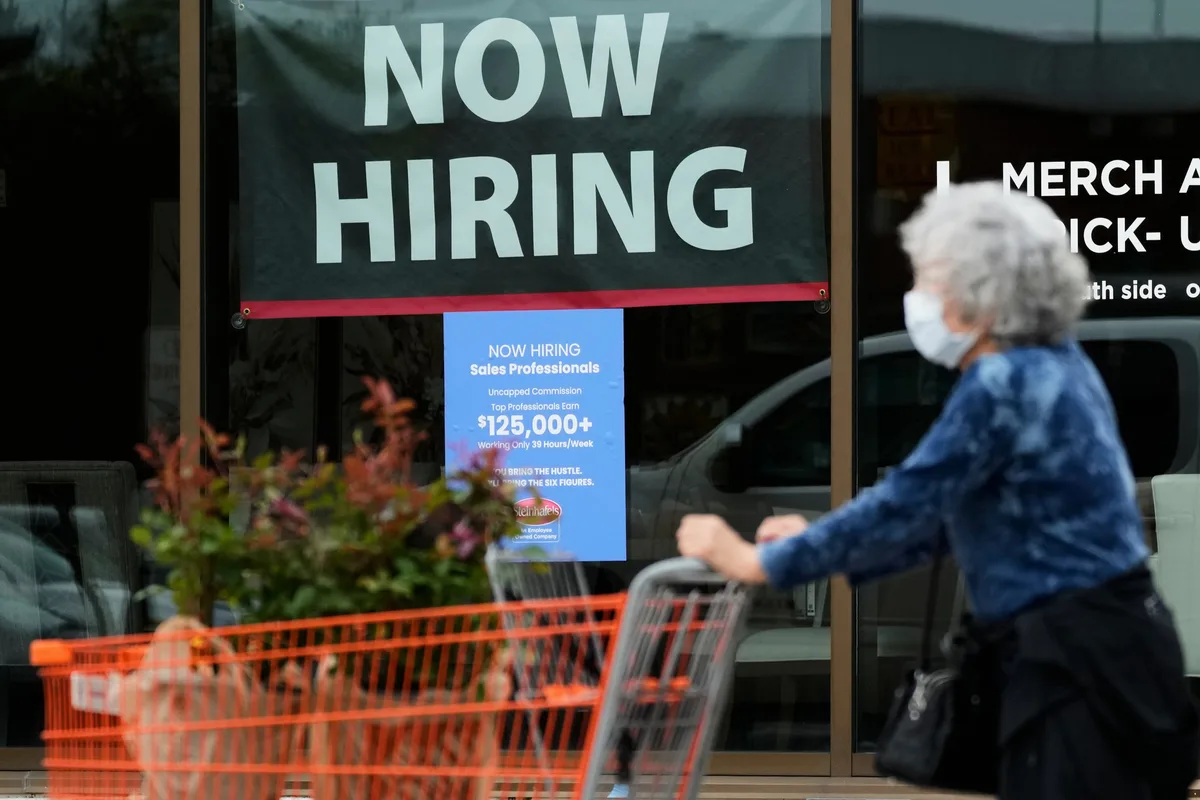
The US economy added 162,000 jobs in August 2026, far exceeding forecasts of 53,000 to 65,000 new jobs, according to the Bureau of Labor Statistics report released on September 4 [1, 2, 3]. The unemployment rate remained stable at 4.1% for the month [1, 2, 3]. Payroll revisions for June and July also showed stronger-than-first-reported employment, adding about 55,000 jobs combined, eliminating prior signs of job losses [1, 2, 3].
Key sectors fueling job growth included restaurants and bars with 59,000 new positions, construction adding 22,000 jobs, and manufacturing growing by 16,000. Factory employment has risen by approximately 58,000 since its December low [2, 4, 5]. Meanwhile, the labor force participation rate rose by 683,000 after declines in earlier months [2].
Average hourly wages increased 3.1% year-over-year—the slowest annual wage growth since May 2021—pointing to modest wage gains amid persistent inflation and living cost pressures [2, 4, 5]. This modest wage growth has caused frustration for many households facing rising expenses [2, 4, 5].
Despite strong job gains, private payroll data from ADP reported only 38,000 new jobs in August, the weakest month in seven months and well below official figures, highlighting discrepancies between private and government records [6]. Factory orders rose 0.9% in July, helped by aircraft demand, following a prior decline [6].
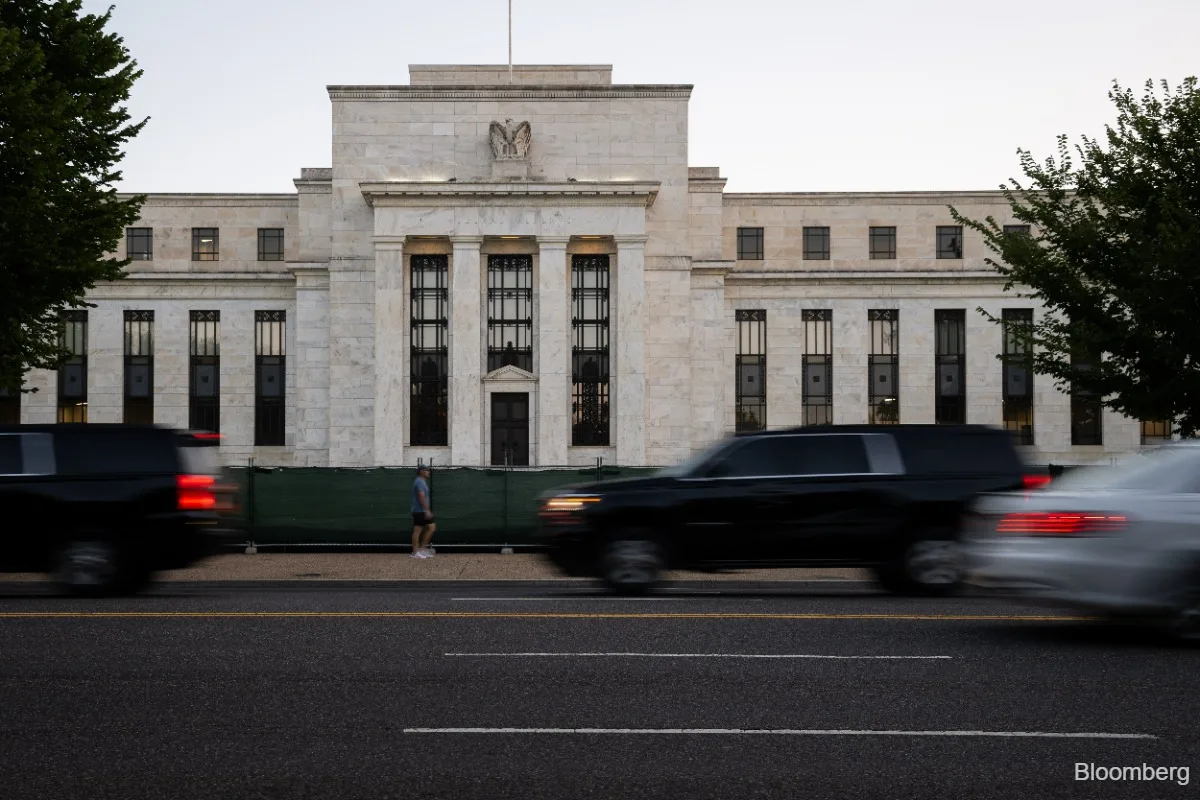
Strong employment data raised market-implied odds of a September 15-16 Federal Reserve interest rate hike from about 50% to around 60% [1, 3, 4]. Investors, however, expect the Fed’s decision to hinge more on upcoming inflation readings, with Producer Price Index data due September 10 and Consumer Price Index data on September 11 [1, 3, 7]. Analysts note that if inflation remains mild, the Fed might overlook the labor market’s signals [3]. Vail Hartman, a BMO strategist, said the “data lends support to the hawkish camp,” but stops short of a definitive case for a rate increase on September 16 [1].
Stock markets dipped on September 4 amid concerns over Fed tightening, with the Dow dropping about 270 points and the S&P 500 and Nasdaq down 0.3%-0.4% [3, 8, 4, 7]. However, some tech sectors and semiconductor stocks, including TSMC ADR, Micron, and NVIDIA, rose despite broader declines [3, 7]. Ameriprise’s Anthony Saglimbene warned that if 10-year Treasury yields approach 5%, stocks could face increased pressure [7].
Former President Donald Trump praised the robust employment figures, stating the results exceeded all predictions except his own. He called for the Federal Reserve to cut rates immediately, urging the new Fed chair to be “smart and patriotic” [4].
Next week’s inflation data releases on September 10 and 11 remain the main events investors will watch closely as they anticipate the Federal Reserve’s rate decision later that week [1, 3, 7].