On July 22, 2026, the US Senate Commerce Committee passed a bipartisan bill imposing stricter limits on Chinese automakers selling vehicles in the United States. [1, 2, 3, 4, 5, 6, 7] The legislation bans companies with more than 15% ownership by Chinese entities from marketing vehicles in the US, a threshold affecting Mercedes-Benz, which has about 20% Chinese ownership in a passive capacity. [1, 2, 3, 4, 5, 6, 7]
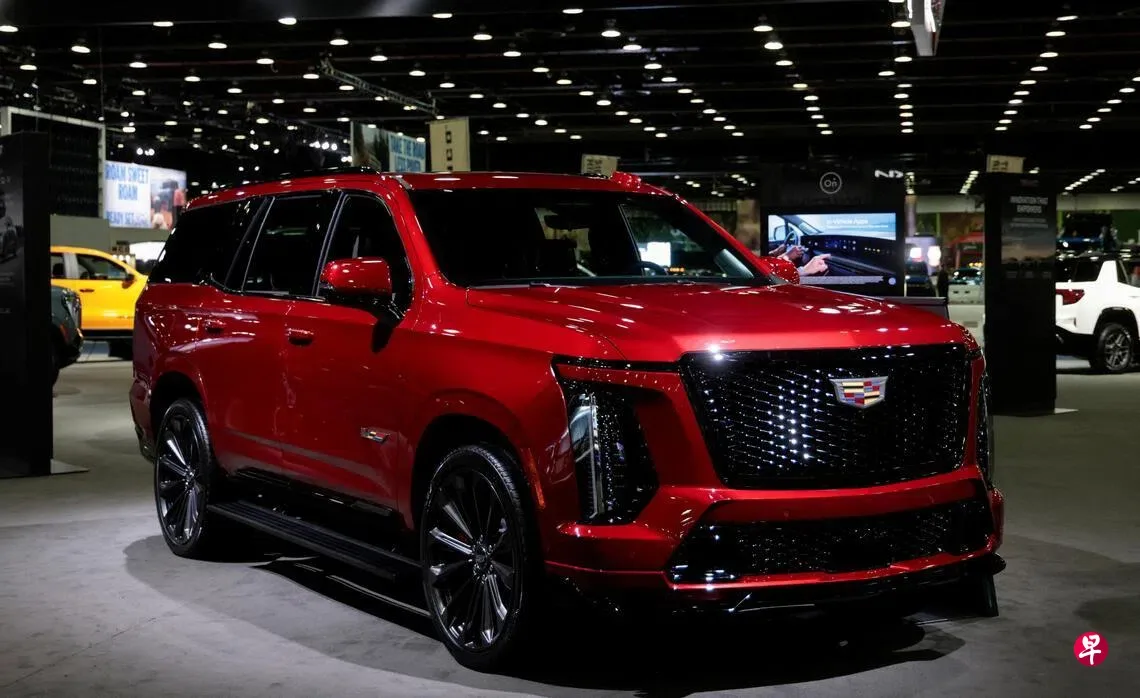
Senator Ted Cruz, the committee chair, criticized the 15% ownership limit, saying the law should instead apply a qualitative national security risk analysis similar to CFIUS standards, warning the bill cannot become law unless changed. [3, 6] Still, he insisted, "We would never consider" banning Mercedes-Benz sales in the United States, though he acknowledged the provision would force the company out of the US market without changes. [1, 3, 4, 5, 6, 7] Cruz also noted General Motors is pushing to exclude Mercedes-Benz to boost Cadillac’s competitiveness. [1, 3, 4, 5, 6, 7]
Senator Bernie Moreno of Ohio said Mercedes-Benz has until 2030 to reduce Chinese ownership below 15% or apply for waivers to continue selling vehicles in the US under the bill. He added, "We’re preventing an absolute, total, and complete destruction of our industrial base."
The bill codifies Biden administration orders that already block Chinese brands like BYD and Chery from the US passenger vehicle market. [1, 2, 3, 6, 7] It extends restrictions to vehicle software and hardware related to connected cars to protect national security by limiting Chinese access to sensitive vehicle data. [2, 5] Other automakers including GM and Ford plan to move production of Chinese-made models to the US by 2028 to comply with the rules. For example, GM intends to shift the Buick Envision, while Ford will relocate Lincoln vehicle production. [1]
Mercedes-Benz employs more than 10,000 workers in US assembly plants in Alabama and South Carolina. [5] The company has lobbied to raise the allowed Chinese ownership threshold in the bill from 15% to 25% to avoid impacting its market presence. [3]
The bill also targets vehicle imports from Russia, Iran, and North Korea as part of its national security provisions. [2] While the legislation passed the committee, senators expect changes before it can become law, particularly regarding the 15% ownership threshold. [1, 3, 4, 5, 6, 7] The next legislative steps will determine if the ownership provision is revised and how Mercedes-Benz’s market access in the US is ultimately affected.