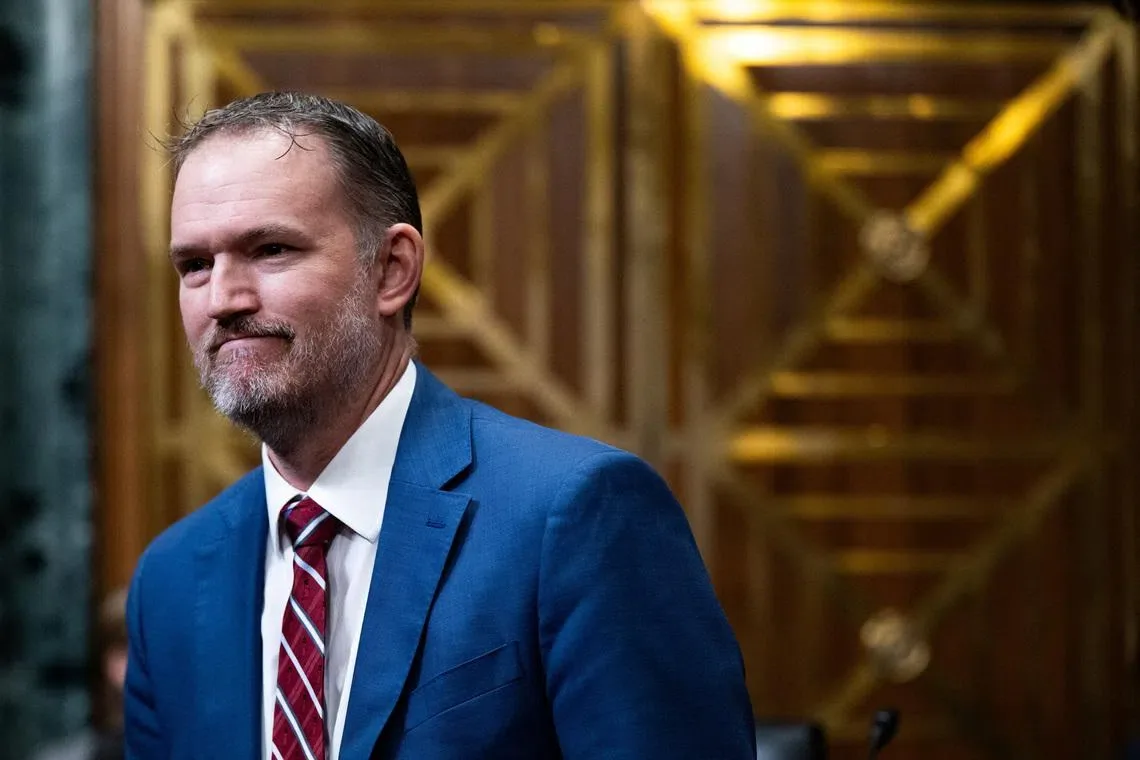
US Trade Representative Jamieson Greer will make a tariff announcement on July 23 as the existing 10% global tariff, imposed in February under Section 122 of the Trade Act of 1974, expires the next day [1, 2, 3]. The current tariffs, set for 150 days unless extended by Congress, replaced former President Trump's broad reciprocal duties struck down by the Supreme Court earlier this year [2, 4, 5, 3].
The administration is considering a new set of tariffs authorized under Section 301 of the Trade Act. These could reach up to 12.5% and target imports from about 60 countries, including China, the EU, Japan, Taiwan, Indonesia, Canada, and Mexico [2, 4, 5, 6]. The new tariffs focus on nations that have not sufficiently banned imports of goods made with forced labor. Greer said, "The U.S. has laws to prohibit trading goods with forced labor. Other countries, most don't have a law. Those that do don't really enforce it." He added, "We expect to see some action soon." [4]
The proposed Section 301 tariffs would cover approximately 99% of US trade [4]. They may include differentiated rates such as 10% on imports from partners like Canada, the EU, Mexico, Taiwan, and the UK, and 12.5% on over 40 other economies including China, India, and Japan [6].
Recently, the White House announced a 25% tariff on thousands of Brazilian goods and a new 50% tariff on some Canadian goods, with the latter set to take effect in 30 days [5, 6]. Canada is responding diplomatically and exploring options regarding the 50% tariffs [6].
Additionally, under prior announcements by President Trump, a 100% tariff on generic drug imports will begin in August 2028 and rise to 200% in 2029, with an immediate temporary cut to 0% in August 2026 designed to encourage domestic production [6].
White House Press Secretary Karoline Leavitt said, "Greer will be having an announcement on that very soon later today" regarding the new tariff plans [3].