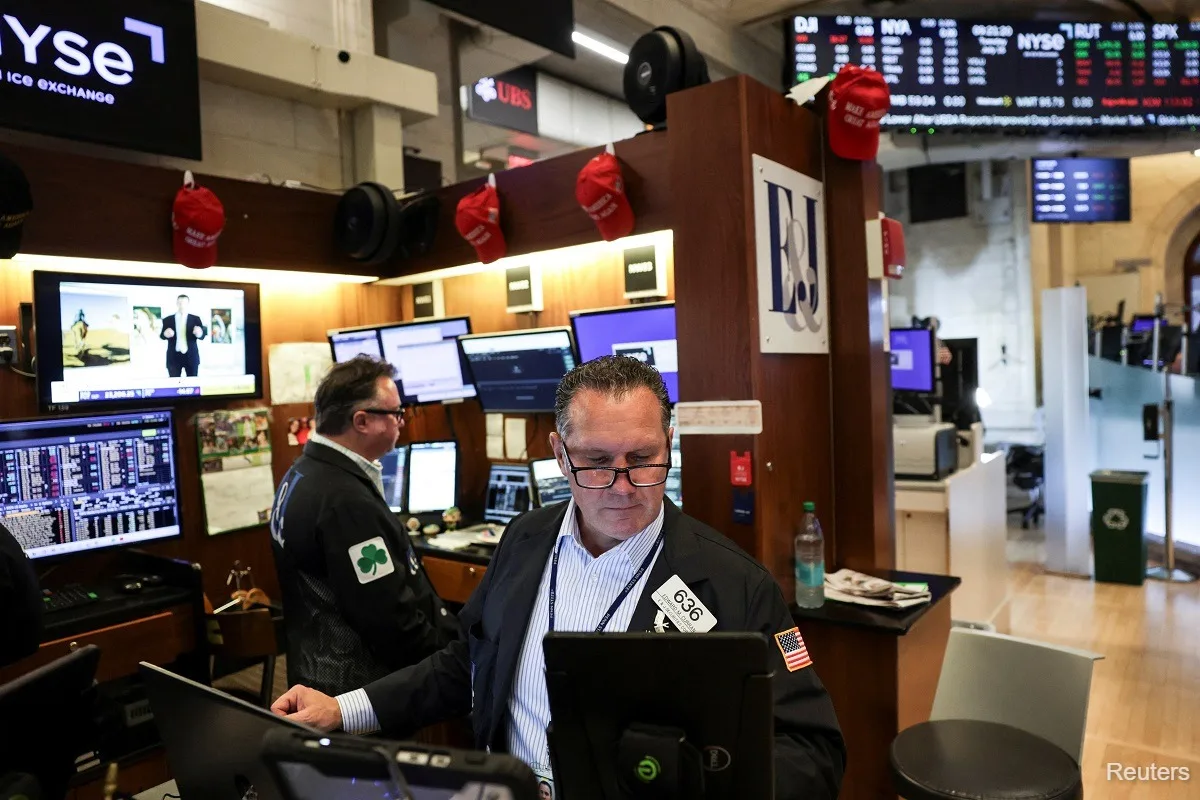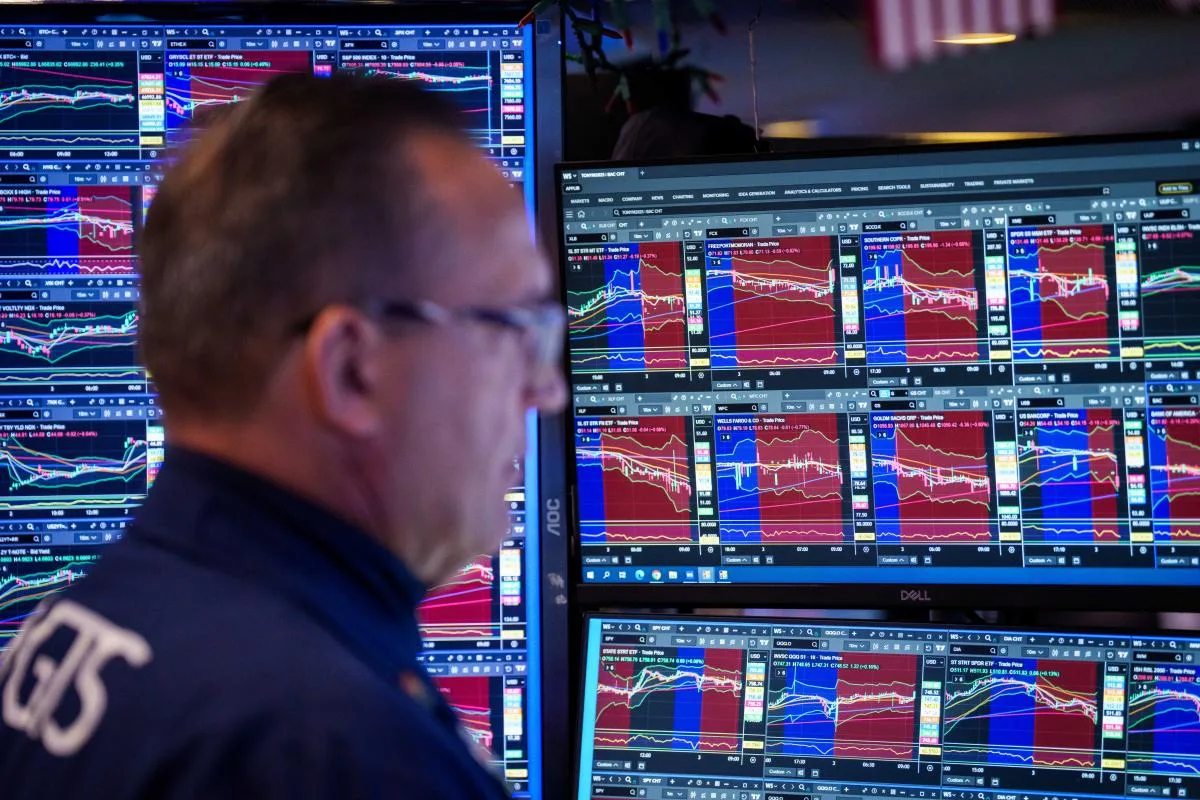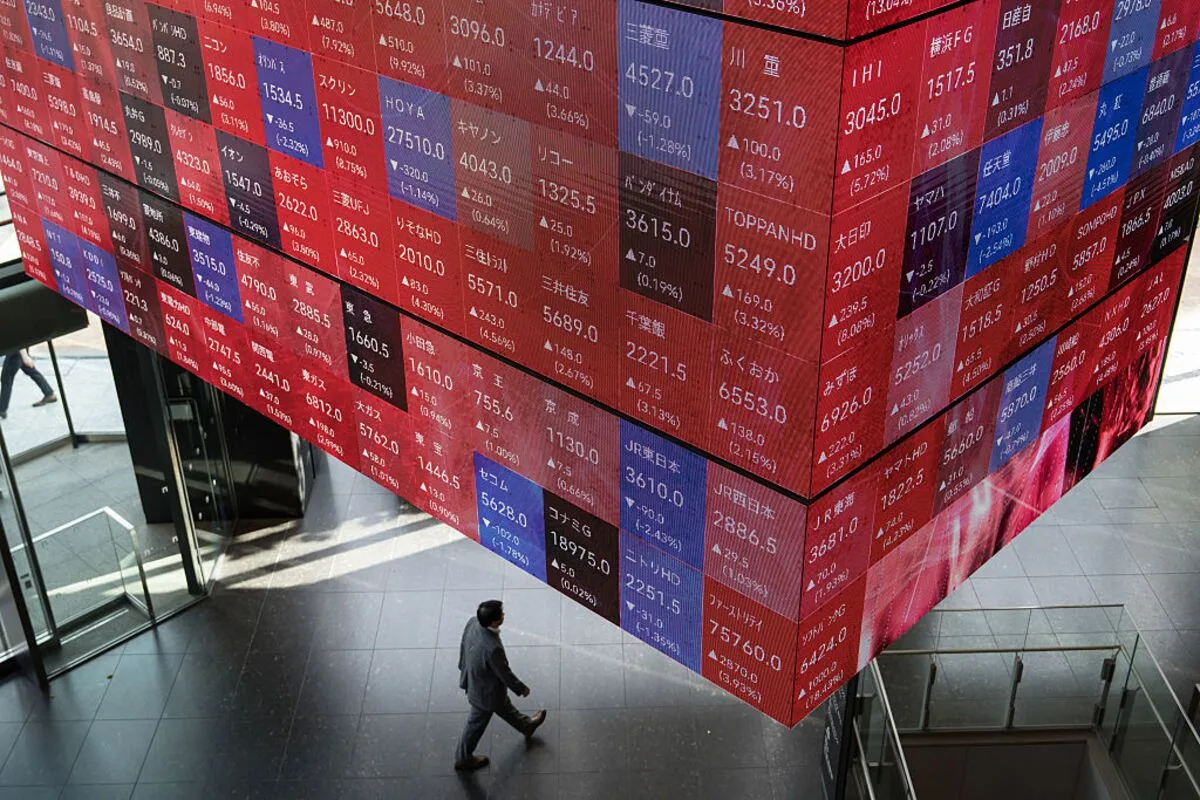
U.S. stock indices declined sharply on July 23-24 following disappointing earnings from Big Tech and growing concerns about heavy capital spending on artificial intelligence investments [1, 2, 3, 4, 5, 6, 7, 8, 9, 10]. On July 23, Alphabet Inc. reported stronger-than-expected cloud revenue but raised its full-year capital expenditure forecast to as much as $205 billion, well above previous guidance and market expectations [2, 3, 4, 5]. Despite solid revenue growth, Alphabet’s shares fell between 3.9% and 6.9% on the news [2, 3, 4, 5]. Tesla reported negative free cash flow for its second quarter, disappointing investors; Tesla shares dropped between 5.8% and 15% across the period [2, 3, 4, 5].
Investor worries deepened over whether massive AI capital expenditures will translate into meaningful profits, causing increased caution toward the tech sector [2, 3, 4, 8, 9, 10]. UBS Chief Investment Office's Ulrike Hoffmann-Burchardi said, "We remain constructive on AI’s growth story, but we favor a more balanced exposure across the AI value chain — from semiconductors and hardware to megacap tech and more defensive areas of the industry. Investors should also ensure diversification beyond AI" [2]. Siebert Financial CIO Mark Malek added, "AI optimism remains intact, but the burden of proof has shifted decisively onto management teams. Future earnings calls will increasingly focus on return on invested capital rather than AI ambitions" [2]. eToro’s Lale Akoner noted Alphabet and Tesla are at different stages of the AI investment cycle, with Tesla still needing to prove commercial returns from its ambitious projects [3].
Meanwhile, Brent crude oil prices surged above $100 per barrel in late July, marking the highest levels since May or June 2026 [3, 4, 5, 6, 7, 8, 9, 10]. The increase was driven by escalating military tensions in the Middle East involving the U.S., Iran, and Yemeni Houthi militants, alongside attacks on oil tankers near the Red Sea [4, 5, 6, 7, 8, 9, 10]. U.S. President Donald Trump stated, "I will hold Iran accountable for any attacks by Yemen's Houthi militants. Major military punishment will be administered if necessary" [4]. The conflict raised concerns about energy supply disruptions and added inflationary pressure [5]. Wells Fargo’s Sameer Samana warned that rising crude prices could delay interest-rate relief or even prompt Federal Reserve hikes [5]. Treasury 2-year yields rose to 17-month highs amid inflation concerns and speculation of interest rate increases as soon as the U.S. July Fed meeting [2, 3, 4, 5, 6, 7, 8].
New U.S. tariffs came into effect, replacing a temporary global tariff that had expired. These tariffs target trading partners including Europe and China over forced labor enforcement issues [7, 8]. Annex Wealth Management’s Brian Jacobsen called the new tariffs "less shock and awe" than previous ones, adding they come with carveouts to limit consumer price impacts [7].
Contrasting with the broader tech weakness, Intel reported quarterly profits and revenues above estimates and plans to increase capital spending over the next two years. Its shares rose in premarket trading on July 24 [7, 8]. U.S. stock futures rebounded slightly on July 24 after the tech-led selloff but remained on track for weekly losses [7, 8].
On July 23, the S&P 500 dropped up to 1.21%, Dow Jones Industrial Average fell about 0.89% to 0.97%, and the Nasdaq Composite declined between 1.73% and 2.15% [4, 9, 10].
Markets will closely watch upcoming earnings from other tech giants next week and Federal Reserve policy decisions in light of inflation and geopolitical risks [5].