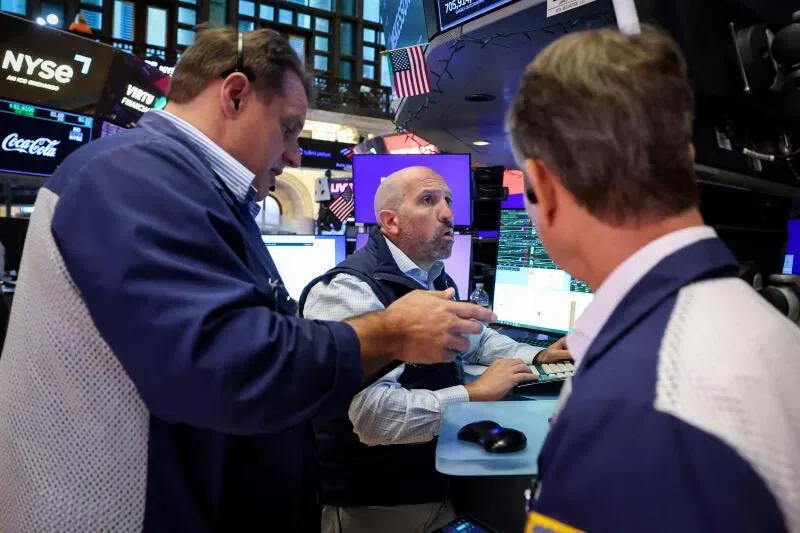
Wall Street’s three major indexes declined from July 20 to 24, weighed down by escalating Middle East tensions, rising oil prices, and investor caution ahead of major tech earnings reports [1, 2, 3, 4, 5]. The S&P 500 and Dow Jones fell more sharply than the Nasdaq, which was supported by a partial rebound in chip stocks on July 20 [1, 2].
On July 20, Yemen’s Iran-aligned Houthis declared a naval blockade on Saudi Arabia, intensifying the conflict and raising concerns over global energy supplies [1, 2]. A senior Iranian official reported mediators sent a proposal for a 10-day ceasefire with the US to revive an interim deal [1, 2]. Despite the ceasefire offer, the situation worsened as bombings increased, stoking investor anxiety about oil flow disruptions through the Strait of Hormuz [1, 2, 6].
Brent crude oil prices surged past $100 a barrel on July 23 as the Middle East conflict escalated further [7, 8, 9, 4]. The rise amplified inflation worries and dampened investor sentiment across markets [10, 8, 4, 5]. US 30-year mortgage rates climbed to their highest level in almost a year amid inflation and bond yield increases [7].
The tech sector faced mixed results during this period. Investors awaited quarterly earnings from major companies including Alphabet, Tesla, Intel, and Texas Instruments [1, 2, 3]. Alphabet raised its 2026 capital spending guidance to between $195 billion and $205 billion, up from $190 billion previously [10]. On July 24, shares of Alphabet and Tesla fell sharply following their earnings releases, helping drive overall market declines [8, 5]. Intel bucked the trend with strong second-quarter results, reporting 25% revenue growth and causing early trading gains that day [11].
Investor caution was reflected in market strategy commentary. Peter Tuz, president of Chase Investment Counsel, said, "Everybody is waiting for earnings season to really get going," noting that many appeared to be "kind of sitting on their hands" before results [1]. Joe Quinlan of Merrill and BofA Private Bank expressed hope that a resolution in Middle East hostilities could ease oil prices and inflation pressures, saying, "The hope is if you get some type of resolution – less bombing, more talk in the Middle East – that oil prices and gasoline prices would not go as high as we saw earlier in 2026 and therefore, alleviate some of that pressure on consumer prices [1]."
US President Donald Trump commented on July 23 that he may soon order a "massive attack" on Iran, declaring, "The scale will be unprecedented. I am close to making a decision, we are fully prepared" [11].
European shares also declined early in the week, pressured by inflation concerns and Middle East conflict fears [6]. UK Prime Minister Andy Burnham highlighted fiscal challenges amid geopolitical instability and high national debt [6].
The week ended with Brent crude prices retreating slightly but remaining elevated, US stock indexes broadly lower, and investors closely watching ongoing tensions and upcoming earnings reports for cues to market direction [5, 11].