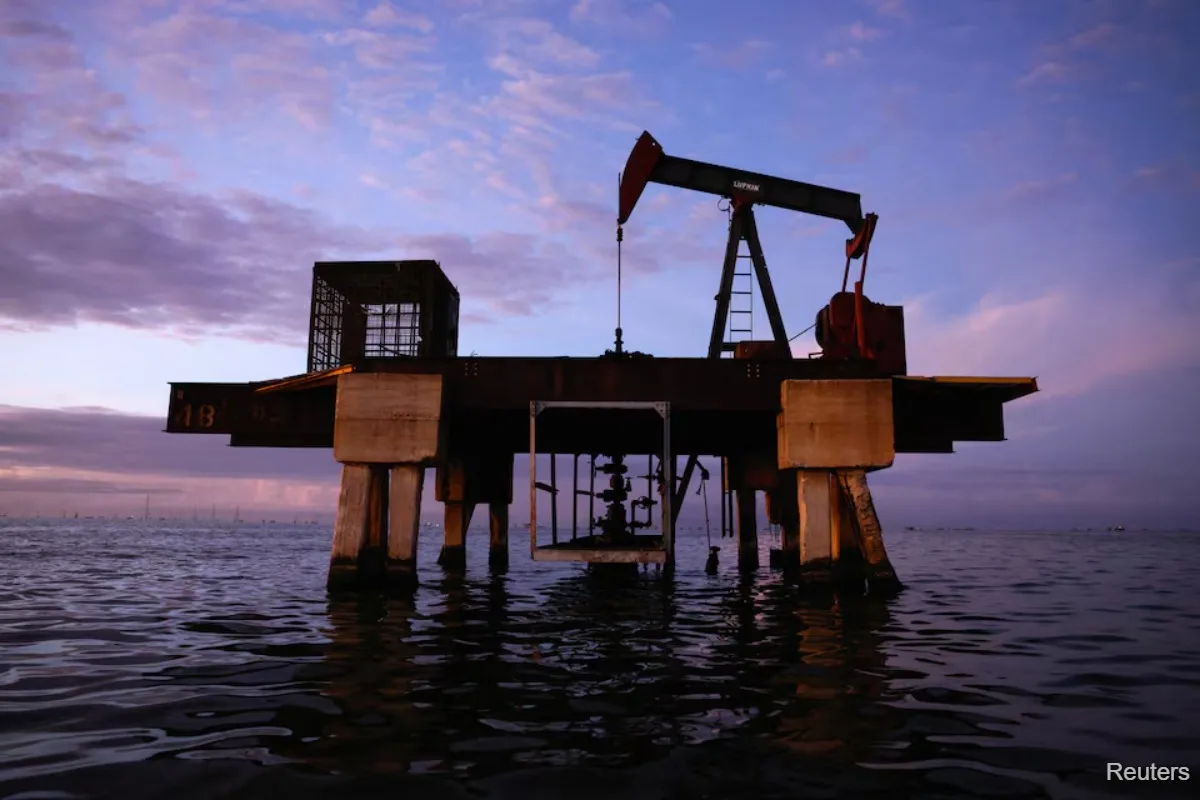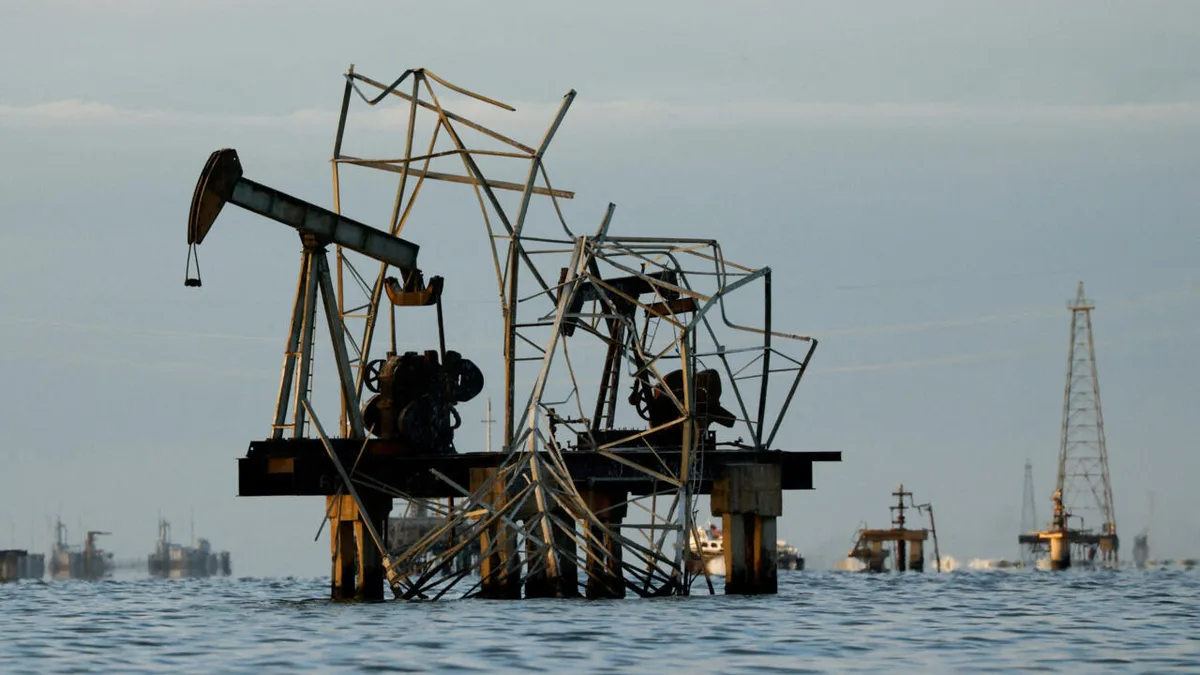
The White House released the terms of a US-Venezuela oil agreement granting North American Blue Energy Partners (NABEP) 100-year concessions for 17 Venezuelan oil fields with proven reserves of about 65 billion barrels. The deal was publicly announced on August 31 and signed by US Defense Secretary Pete Hegseth and Secretary of State Marco Rubio [1, 2, 3].
NABEP, currently Venezuela's second-largest private oil producer, pledged to invest up to $100 billion in new oil infrastructure within the country. The company also agreed to pay approximately $200 billion in royalties and taxes over the first 25 years of operation under the concession terms [1, 3].
As part of the deal, the Pentagon's Office of Strategic Capital acquired a 35% equity stake in NABEP's corporate parent. Additionally, the US Department of State secured the right of first refusal to purchase 80% of NABEP's oil production, ensuring substantial US involvement in the output [1, 2, 3].
The 17 oil fields now under NABEP's control were previously dominated by Russian and Chinese firms as well as associates of former Venezuelan leaders Nicolás Maduro and Hugo Chávez. This reshuffling marks a significant shift toward US-aligned energy interests in the region [3, 4].
Alejandro Betancourt, the Venezuelan businessman who owns NABEP, praised the agreement, stating, "Venezuela is blessed with an abundance of natural resources, hardworking people and untapped potential. This deal will unleash that potential to the great benefit of both Venezuelans and Americans" [3].
Alongside the oil deal, the White House is sponsoring reconciliation talks between Venezuela's 2015 National Assembly and current interim authorities. Initial steps have included judicial reforms and the release of some political prisoners [1].
The concessional rights and associated agreements put NABEP in position to manage Venezuelan reserves for the next century, with the first major investments and production operations expected to commence soon after the formalization of the deal.