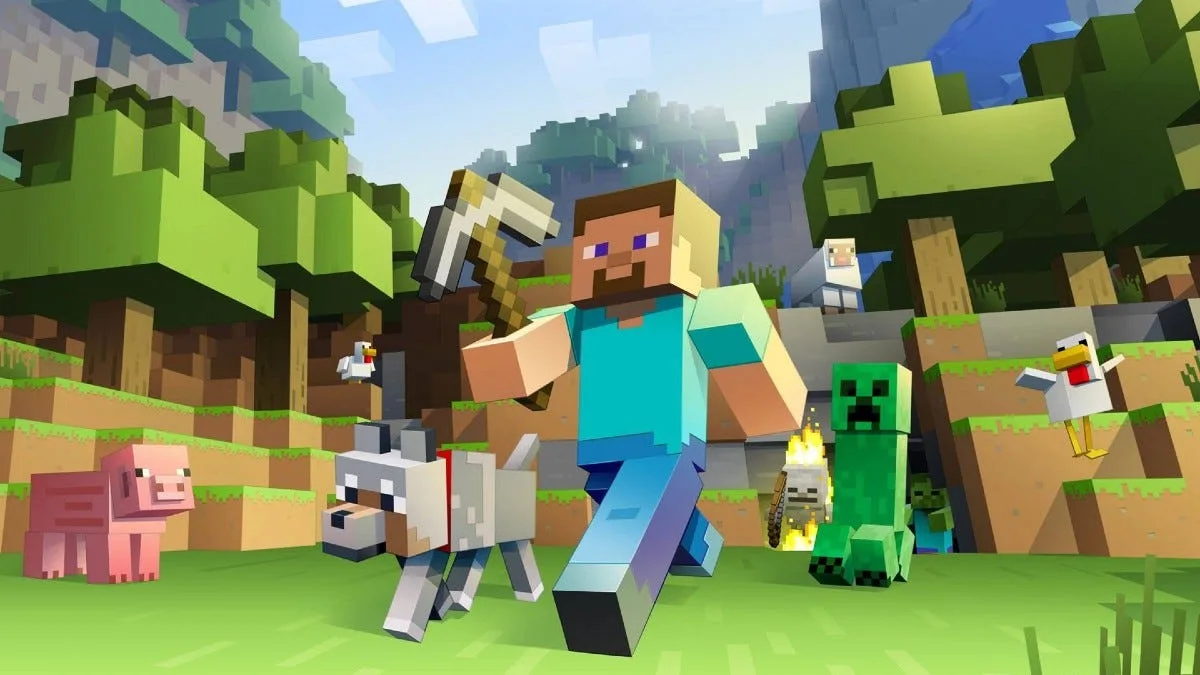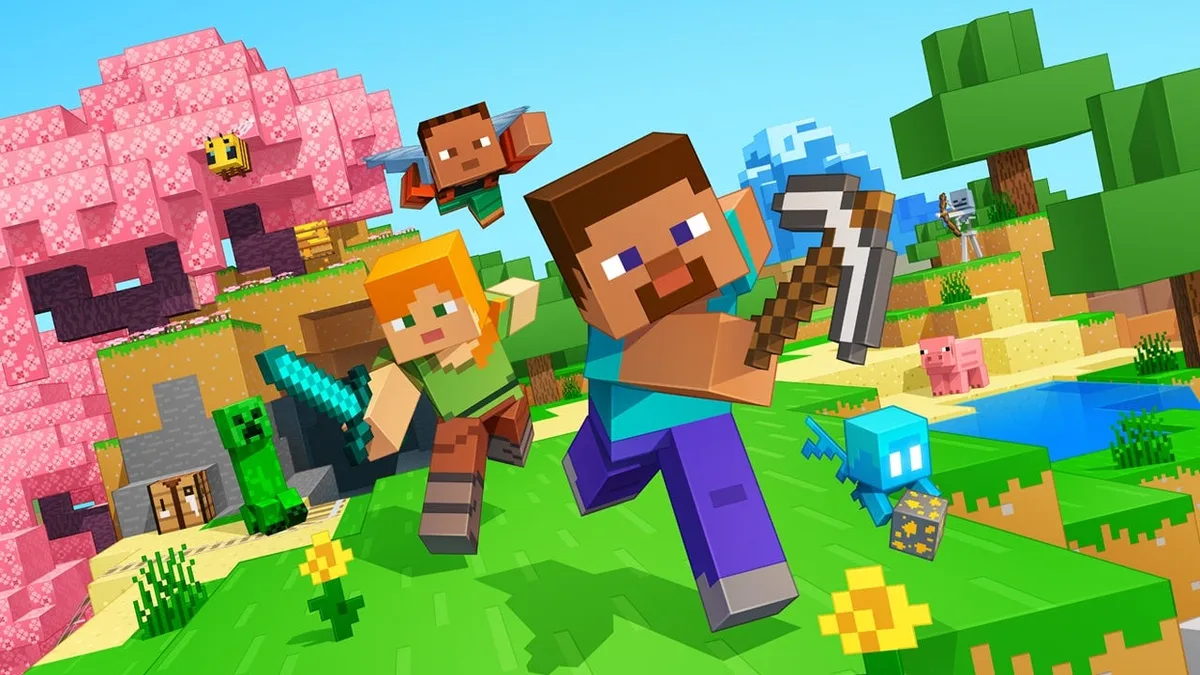
The Entertainment Software Association (ESA) told a California State Senate hearing on June 28 that private Minecraft and Call of Duty servers are illegal and constitute piracy. Jennifer Gibbons, ESA's vice president of State Government Affairs, stated, "They're illegal. They are not in any way affiliated with Microsoft" and said these servers lack the safety standards Microsoft enforces on official Minecraft servers [1, 2].
Gibbons added, "Yes. In fact, we consider it piracy. We have lawsuits, two pending lawsuits, against private servers right now, and the United States Trade Representative (USTR) in their Notorious Markets Reports on counterfeiting and piracy has named some of these big private servers as a notorious market" [3].
The ESA also argued private servers operate without publisher oversight, raising trust and safety concerns that may create unsafe environments for players [4].
However, Minecraft's official website encourages players to create and join community servers that are verified and approved to meet safety standards [1, 4, 3]. Markus "Notch" Persson, the original Minecraft creator, publicly criticized ESA's claims in early August 2026, calling them "borderline evil" and stating, "I did not wish for my work to be used against people" [4].
Assemblyman Chris Ward highlighted community servers for Minecraft and Call of Duty as examples that help keep games playable after official support ends [1, 3, 2, 4].
There is disagreement over USTR's Notorious Markets Reports. The ESA and some sources say the reports designate large private servers as notorious markets linked to piracy [1, 3, 2]. But others clarify these reports target private servers that circumvent subscription fees, such as for World of Warcraft, not general private Minecraft servers that do not require fees [3, 2].
The ESA continues to pursue two pending lawsuits against private servers [1, 3, 2]. The hearing spotlighted ongoing tensions between game publishers and players around server ownership and legality.
California lawmakers are considering the Protect Our Games Act, also known as the Stop Killing Games bill, which was the hearing’s focus and next steps in the legislation are expected following these discussions [1, 4, 3, 2].