More than 6,900 reported or suspected cases of cyclosporiasis have been identified across 34 US states since May 2026, according to federal health agencies [1, 2, 3, 4, 5]. Michigan is the hardest-hit state, reporting 4,312 confirmed cases and 102 hospitalizations as of mid-July, accounting for the majority of infections nationally [3, 6, 7, 8, 9]. The outbreak is considered the largest in Michigan’s history, where annual cases typically number 40 to 50 [3, 10, 6, 7].
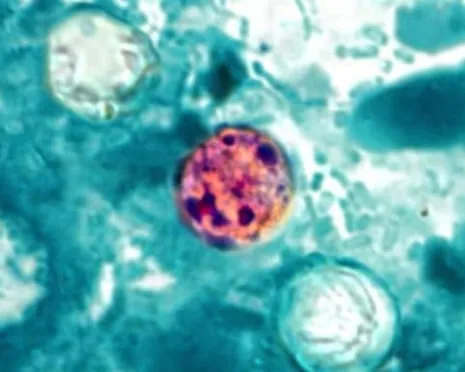
Cyclosporiasis is caused by the Cyclospora parasite, which infects the intestine and spreads through consuming contaminated food or water—commonly fresh produce [1, 3, 10, 4]. Symptoms include explosive diarrhea, nausea, vomiting, fever, loss of appetite, and risk of relapse, with severe cases requiring hospitalization, especially among vulnerable populations [1, 3, 10, 11, 4]. Nationwide, at least 141 people have been hospitalized due to the infection [2, 12]. No deaths have been reported as of mid-2026 [2, 10, 11].
The Centers for Disease Control and Prevention (CDC) confirmed 1,645 laboratory-confirmed cases but is investigating more than 5,100 additional possible cases that require further testing [2, 3, 12, 5, 8]. Gwen Biggerstaff, CDC deputy director, said, "This is much, much higher than what we’ve seen last year or the year before," adding that "This is an active and evolving investigation." [1, 2]
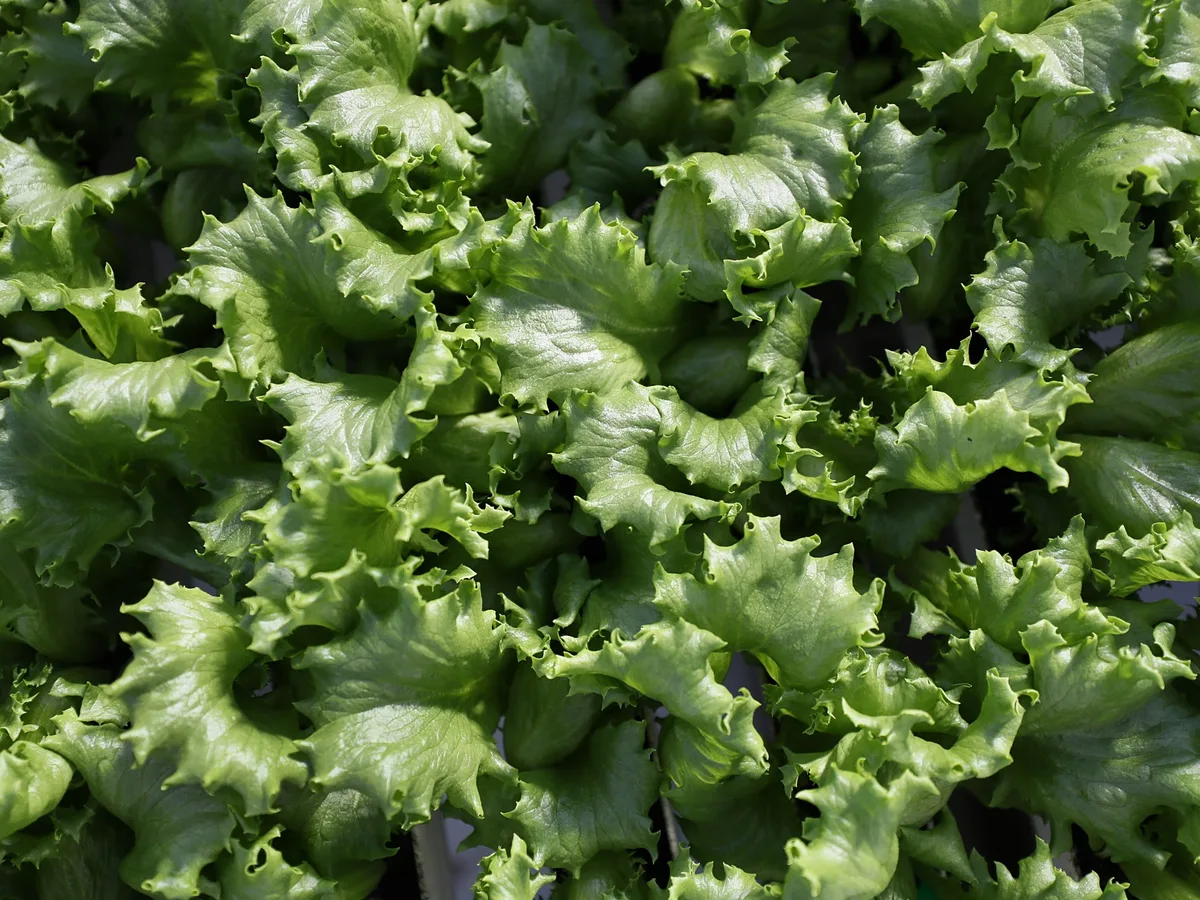
Federal officials and the Food and Drug Administration (FDA) have focused investigations on produce, particularly lettuce and salad greens, as a likely source [1, 2, 3, 12, 10, 4, 7, 8]. Michigan's chief medical executive, Natasha Bagdasarian, said, "Early information has shown lettuce as a common product that regularly comes up during the investigation. There is no definite product identified as the source of the outbreak." [7] Taco Bell voluntarily removed shredded iceberg lettuce supplied by Taylor Farms from select states as a precaution and pledged to replace the ingredient within 24 hours [1, 2, 12, 10]. A Taco Bell spokesperson said, "The affected ingredient from our supplier is being indefinitely removed from our supply chain nationwide and will be replaced within 24 hours in select states." [12]
Despite these efforts, no definitive produce item, grower, or supplier has been conclusively linked to the outbreak as of mid-July [3, 4, 7, 8]. Infectious disease expert Michael Osterholm criticized the federal response saying, "I think the federal response has been far short of what we need," while Dr. J. Glenn Morris of the Emerging Pathogens Institute stated that "CDC is backing off on one of their best surveillance systems." [2, 6]
Cyclosporiasis does not spread directly from person to person but requires environmental maturation of the parasite before it becomes infectious [3, 10, 4]. The CDC and FDA advise consumers to thoroughly wash produce and hands before food preparation to reduce risk [2, 3, 11, 4].
The outbreak began in early May 2026 and spread quickly. On July 9, the CDC reported 843 confirmed cases nationwide and 86 hospitalizations, with Michigan alone reporting 1,251 cases [11, 8]. By July 13, Michigan’s cases surpassed 2,600 with 44 hospitalizations [6]. The outbreak continued to grow, reaching over 3,300 cases by July 16 before rising to 4,312, with 102 hospitalizations by later that day [12, 10, 7, 8, 9]. Officials warned the outbreak would continue into August [10, 7].
Public health authorities continue their investigation to identify the contamination source and urge vigilance around produce consumption. The CDC has not indicated an end date and expects new cases to be reported in the coming weeks.