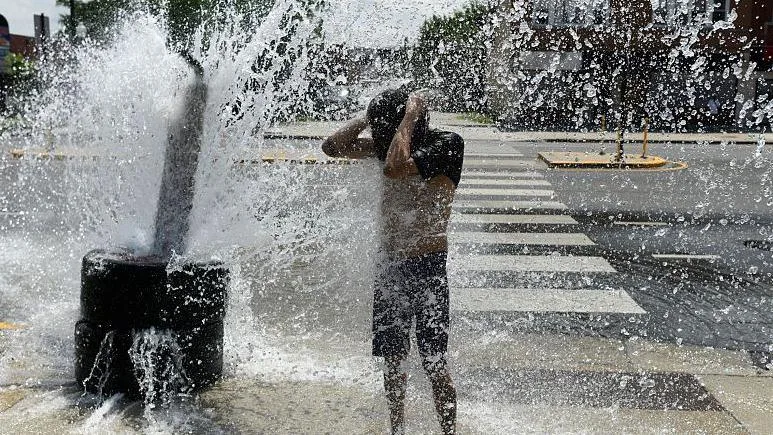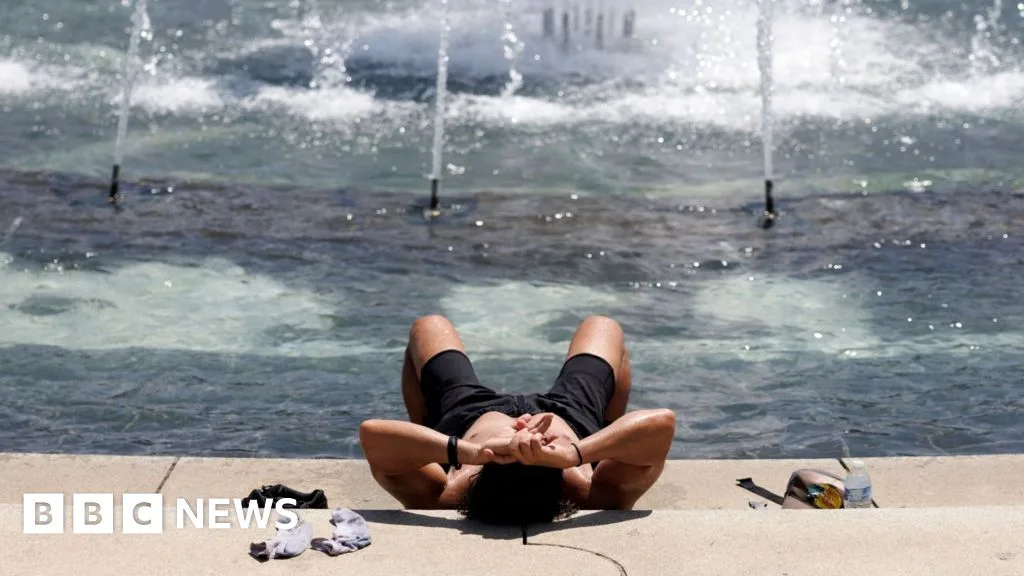
A dangerous heatwave struck large parts of the central and eastern United States during late June and early July 2026, coinciding with the Fourth of July holiday and the World Cup knockout stages hosted in the US and Canada [1, 2, 3, 4, 5]. Temperatures commonly ranged from 95F (35C) to over 105F (40.5C), with some areas experiencing heat index values as high as 115F (46C) due to high humidity [2, 6, 7, 4, 8].
More than 165 million people across the US and parts of Canada were under heat alerts during this period [1, 9, 3, 10, 5]. New York Mayor Zohran Mamdani warned, "We are entering what could be the most extreme heat wave this city has seen in over a decade" [10]. To protect vulnerable populations, cities including New York, Washington, Chicago, and Philadelphia opened cooling centers and provided hydration resources [3, 10, 8].
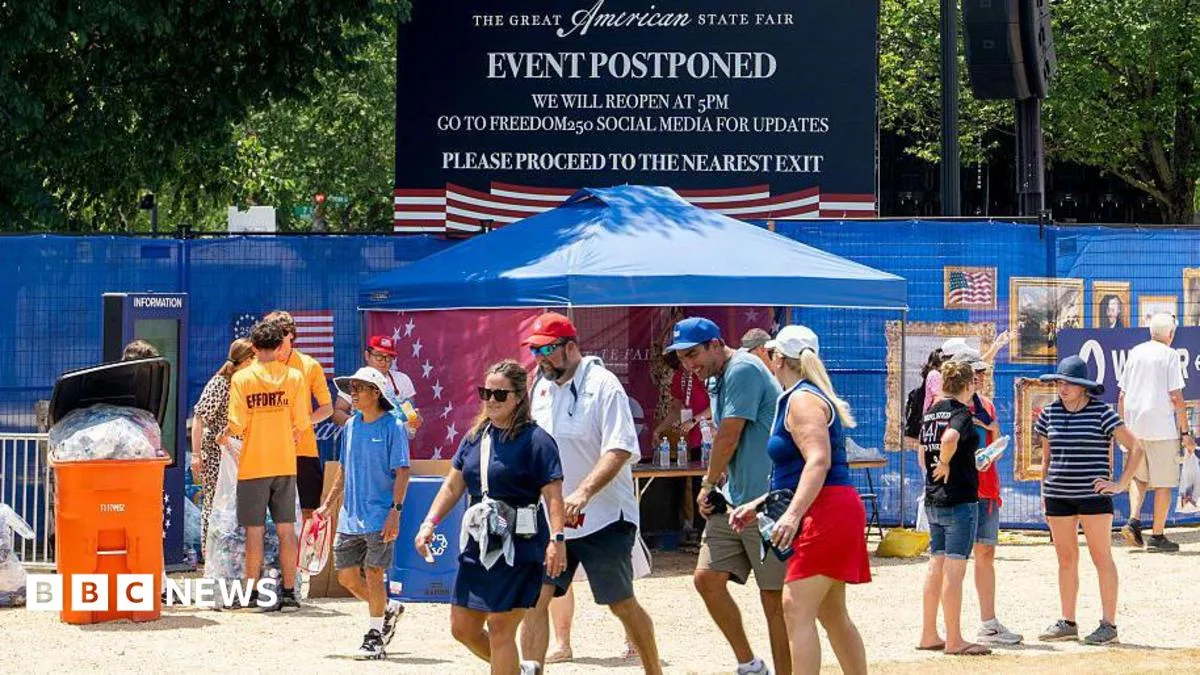
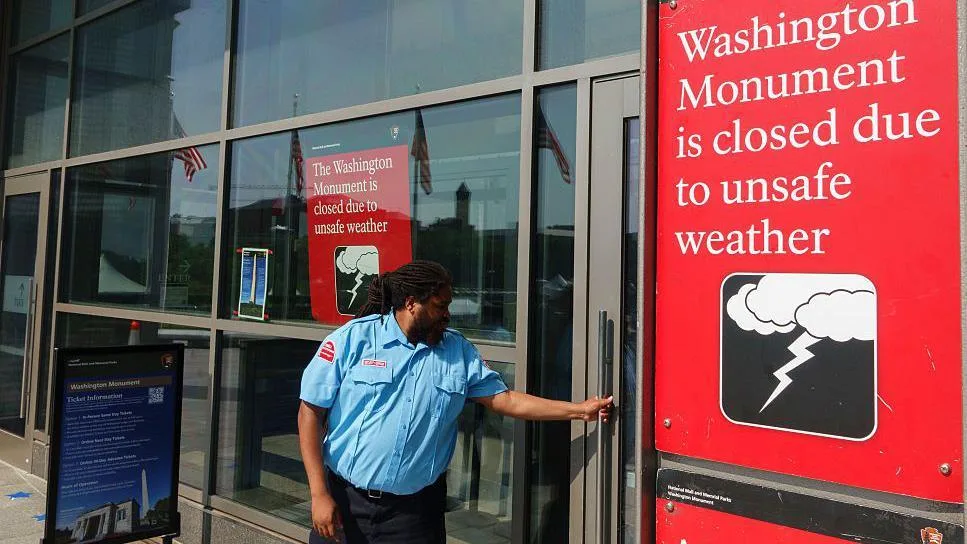
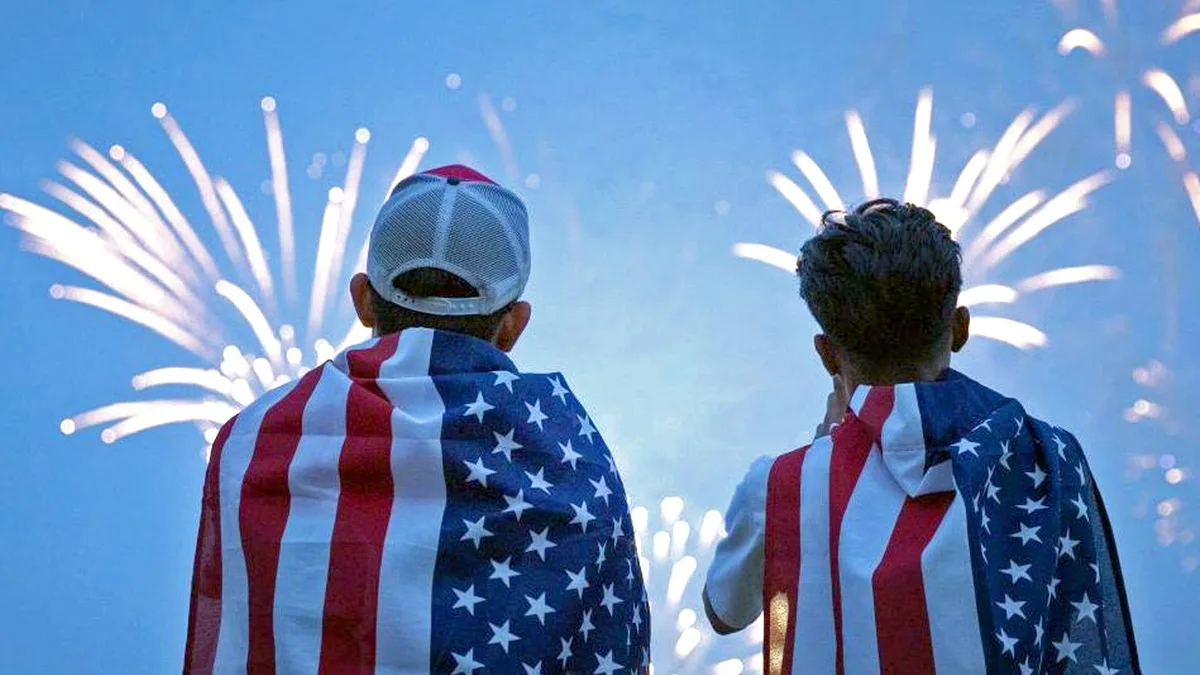
The heatwave forced cancellations and postponements of numerous Fourth of July events in major cities such as Washington DC, Philadelphia, and New Jersey due to health risks [1, 5]. The Great American State Fair on the National Mall in Washington DC was temporarily closed for several hours on July 3 after treating multiple heat-related illnesses [1, 5]. Michael DelBene, CEO of Wawa Welcome America, said, "As much as this decision pains everyone inside our organisation, we simply cannot host an event of this size and scale under these dangerous heat conditions" [1].
Power grids in cities like New York and Washington DC were strained, causing outages and prompting emergency conservation efforts [10, 5].
The heat also affected multiple World Cup matches in host cities across the US and Canada during the knockout stage [6, 7, 3, 8]. The "heat dome" elevated temperatures and humidity, forcing FIFPRO to mandate hydration breaks in each half to protect players [7]. Several matches had official temperatures or heat index values exceeding 100F, reaching up to 115F in some locations [6, 4, 8].
The Paraguay vs France round-of-16 match on July 4 in Philadelphia faced temperatures near 100F with significant humidity [8, 11, 12]. Paraguay manager Gustavo Alfaro said, "We are used to the heat. Yes, we are. However, you suffer the heat. What knockout match do you have in Paraguay at five in the afternoon? None" [11]. France manager Didier Deschamps added, "Now, is this good for the players' health as soon as there are extreme conditions, whether it's heat or cold or a hard pitch? It's not ideal. But we didn't choose, so we adapt and we anticipate" [12]. Paraguay's defender Omar Alderete was recovering from injury but uncertain if he would play [11].
The National Weather Service had issued warnings of the prolonged heatwave on June 28 ahead of the holiday [2]. On June 29, the heat dome settled over the region, threatening World Cup host cities with dangerous heat indices [7]. On July 2, fans at Philadelphia World Cup fan events experienced extreme heat near 100F with high humidity, testing safety measures [8].
The next major event impacted by the heat was the World Cup round-of-16 match on July 4 in Philadelphia between Paraguay and France held under extreme conditions [11, 12].