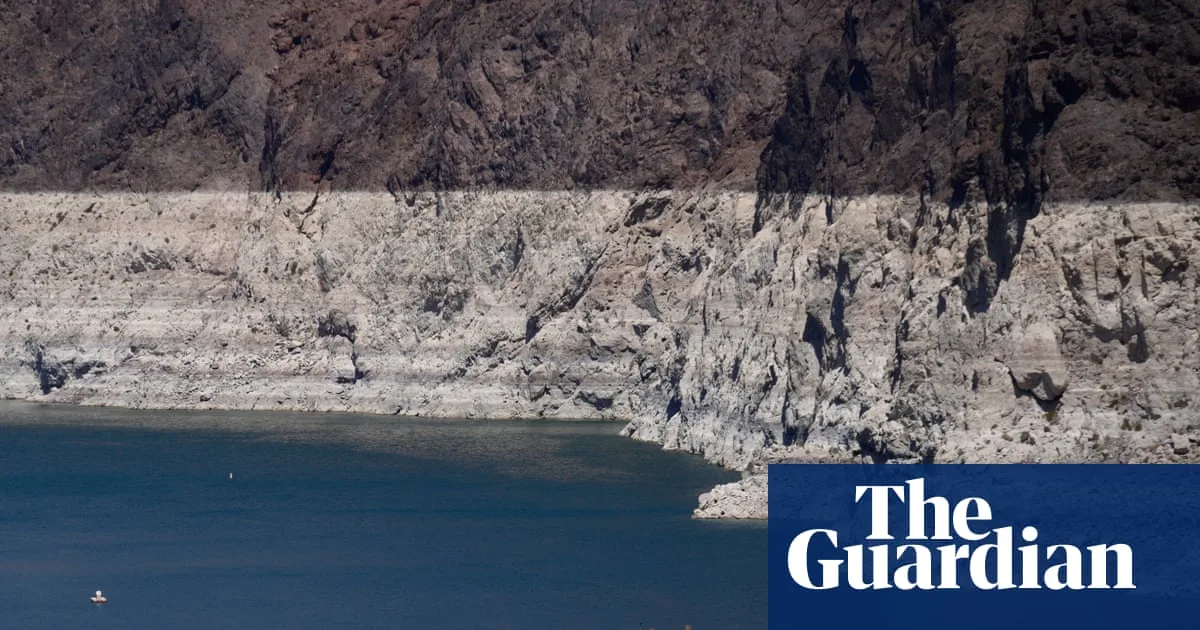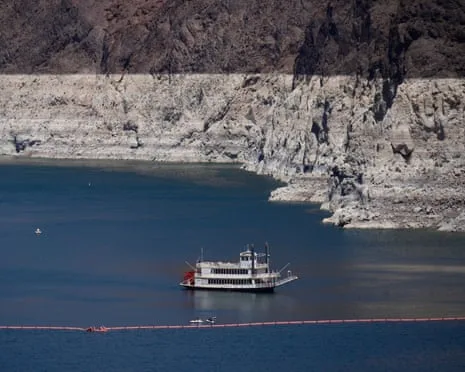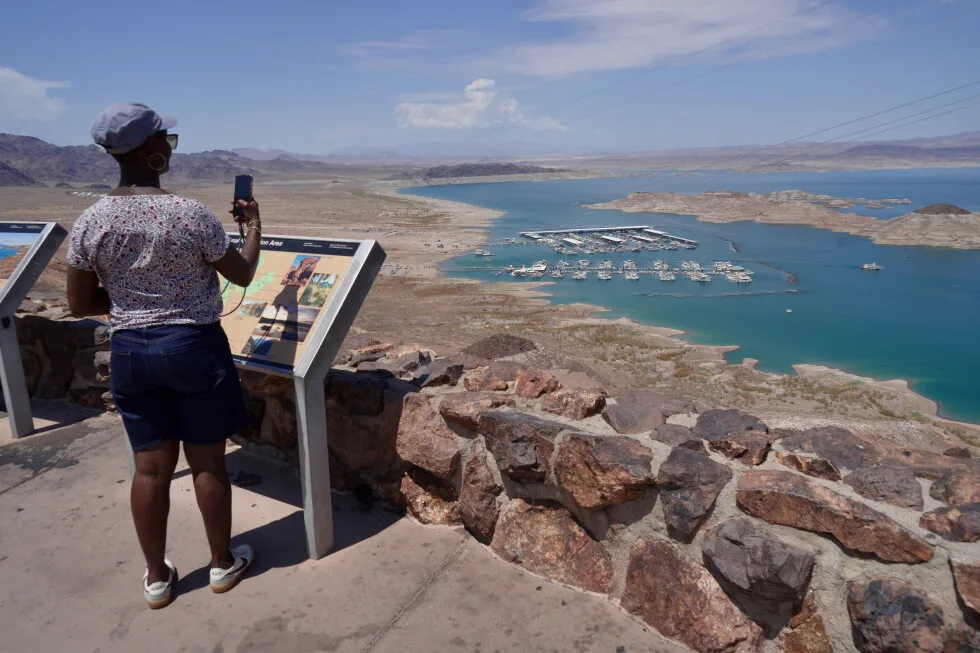
Lake Mead, the largest US reservoir, reached its lowest water level since it was filled about 90 years ago, falling to 1,040.4 feet above sea level on August 7, 2026, just below the previous record set in July 2022 [1, 2, 3]. Straddling the Arizona-Nevada border near Las Vegas, Lake Mead stores water from the Colorado River that supplies roughly 40 million people across seven states, tribal nations, and Mexico, supporting irrigation for over 5 million acres of farmland [1, 2, 3].
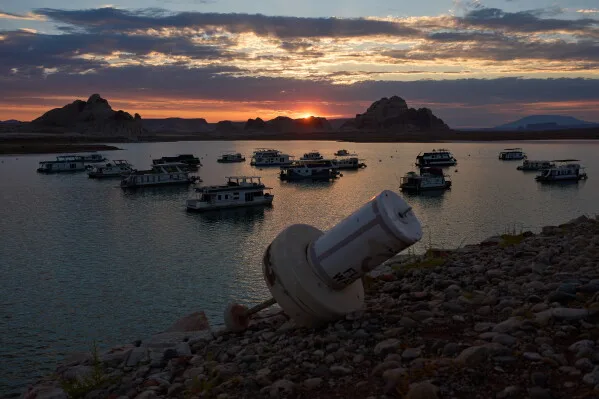
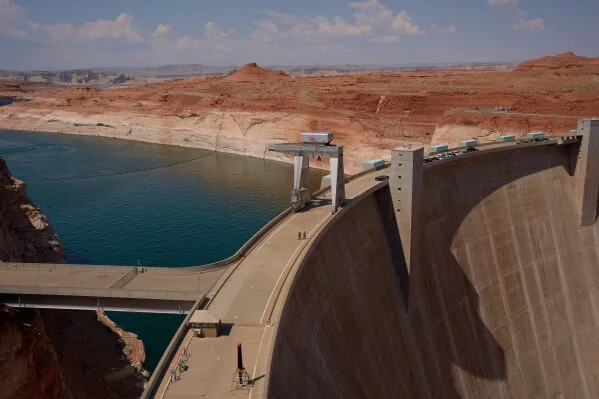
Lake Powell, the Colorado River basin's second-largest reservoir, is also near historic lows, contributing to the combined storage at its lowest point in nearly seven decades [1, 2, 4, 3]. The basin faces severe stress from decades of overuse, prolonged drought, record low snowpack, and extreme heat, limiting river replenishment [1, 2, 3]. JB Hamby, Chair of the Colorado River Board of California, said, "It’s extremely significant and extremely concerning. You have three-quarters of the population of the Colorado River basin, some 30 million people, who are directly impacted by risks to Lake Mead" [1].
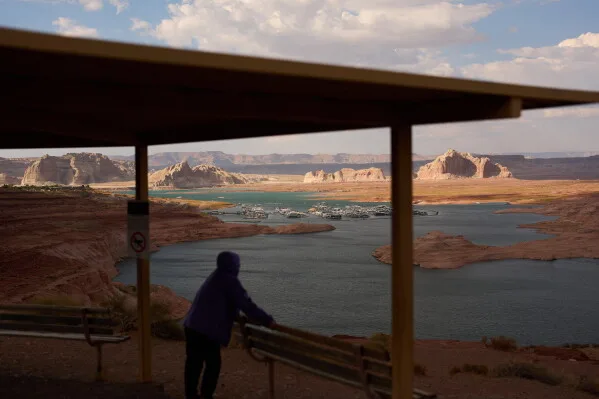
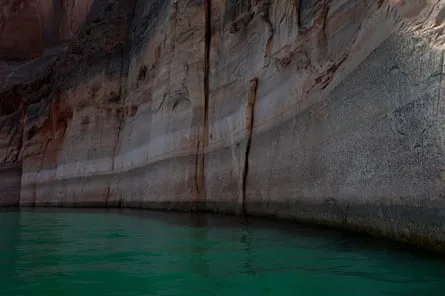
The low water levels have forced closures and relocations of boat ramps and marinas and hurt recreation-related businesses. Exposed shorelines reveal "bathtub rings" and occasionally uncover submerged objects, including evidence related to cold cases [4, 3]. To protect hydropower production and endangered species like the humpback chub fish, federal officials have decided not to release cool water from Lake Powell via Glen Canyon Dam [1, 2].
As long-term agreements on water sharing remain elusive, federal officials recently announced a short-term plan requiring Arizona, California, and Nevada to reduce water use [1, 2, 3]. The Bureau of Reclamation has proposed a 10-year operational framework that may force these downstream states to collectively cut water use by up to 3 million acre-feet annually—roughly the annual water consumption of 9 million US households [4]. US Secretary of the Interior Doug Burgum said the plan "provides flexibility to respond to hydrological changes while preserving space for states to reach consensus" [4].
The Colorado River basin water supports irrigation for about 5 million acres of farmland and powers 700,000 households [4, 3]. The water cuts are intended to address the crisis entering the crucial summer months.
Federal officials will monitor water levels and hydropower production as the drought continues. The near-term focus remains on implementing the proposed reductions to protect downstream water users and environmental needs [1, 2].