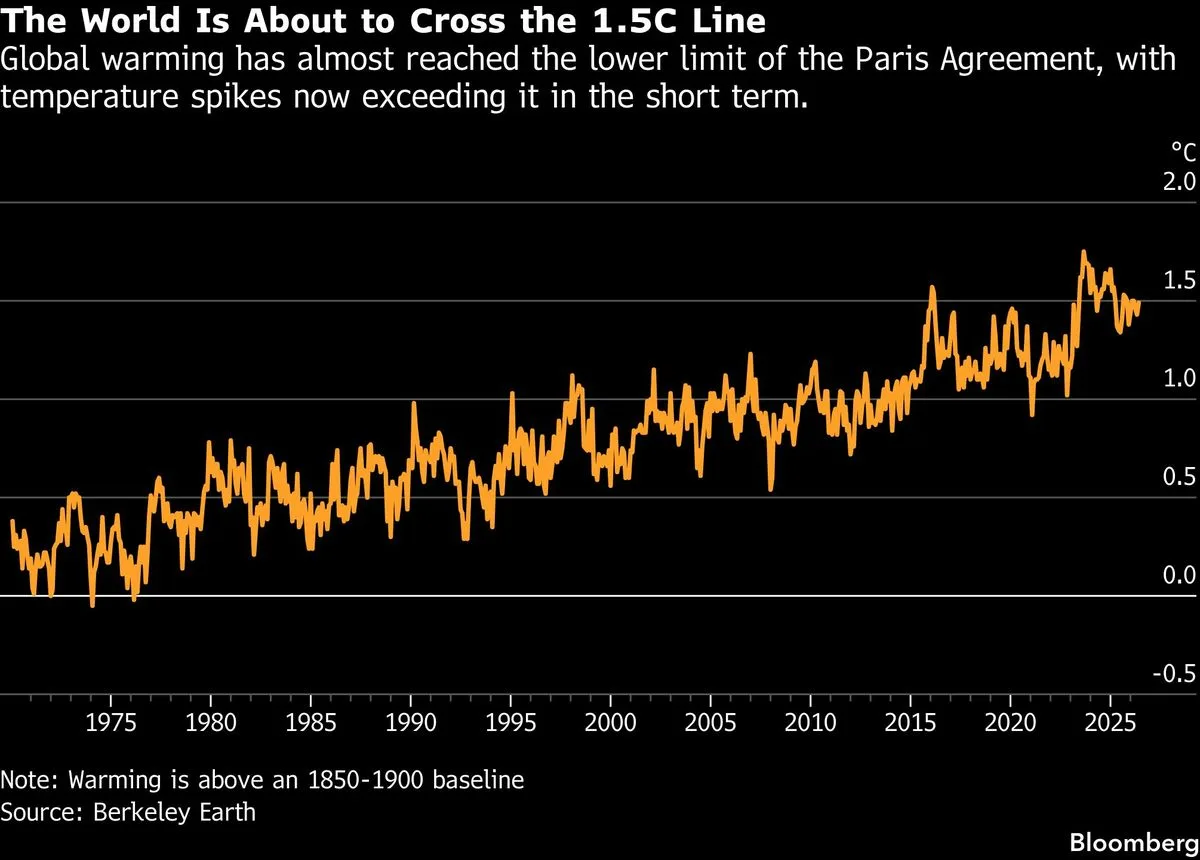
The United Nations released a report on September 2, 2026, warning that global warming will likely exceed 1.5°C above pre-industrial levels within the next few years [1, 2, 3, 4]. Since the 2015 Paris Agreement, countries committed to limiting warming to 1.5°C. However, current long-term warming stands near 1.4°C, with temporary spikes above that mark [1, 2, 3].
Under the best-case scenario laid out by the UN, global temperature increases would peak around 1.8°C. If current policies remain unchanged, warming could rise to approximately 2.6°C [1, 2, 3, 4]. Debra Roberts, co-author of the UNEP report, said, "We are at a really critical point. The level of ambition will really determine whether overshoot lasts for decades or lasts for millennia" [1].
The report calls for a new climate goal focusing on "overshoot, peak, and decline"—aiming to bring temperatures back below 1.5°C by the end of the century through sustained emissions cuts and carbon removal efforts [1, 2, 3]. Limiting warming will require rapid reductions in greenhouse gases from fossil fuels and active removal of carbon dioxide from the atmosphere using natural methods like reforestation and technological solutions such as direct air capture [1, 2, 3, 4].
UN Environment Programme Executive Director highlighted the need for large and rapid cuts in CO2, methane, and other greenhouse gases to achieve net negative emissions [4]. Rising temperatures beyond 1.5°C will bring increased disaster frequency, sea level rise, species extinction, and worsening food and water security [4]. Climate scientist Keir noted that exceeding 1.5°C is not a failure but demands continued emissions reductions and carbon removal to lower temperatures again [4].
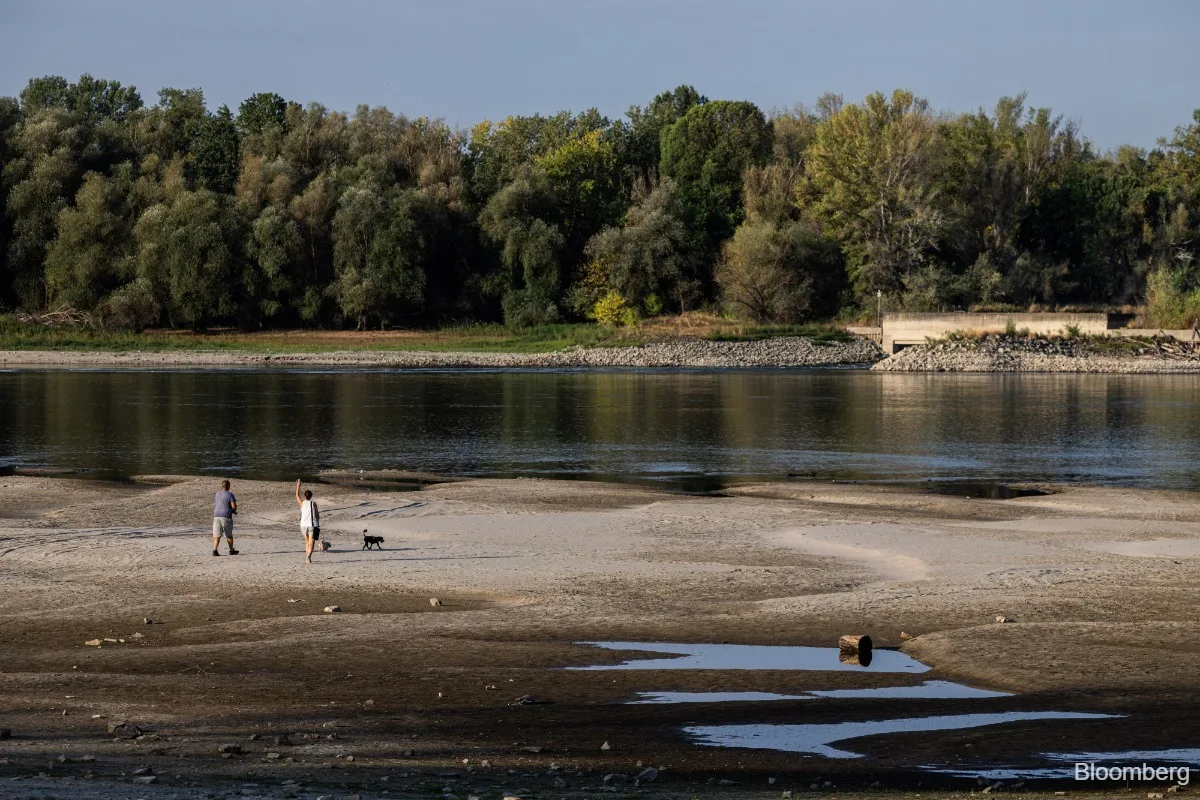
Recent events such as very low water levels on Hungary's Danube River in August 2026 reflect the effects of ongoing warming [1]. The UN’s report underscores the urgency to limit temperature increases to minimize irreversible harms like sea-level rise and biodiversity loss [1]. The next key challenge is translating these findings into accelerated climate actions worldwide.