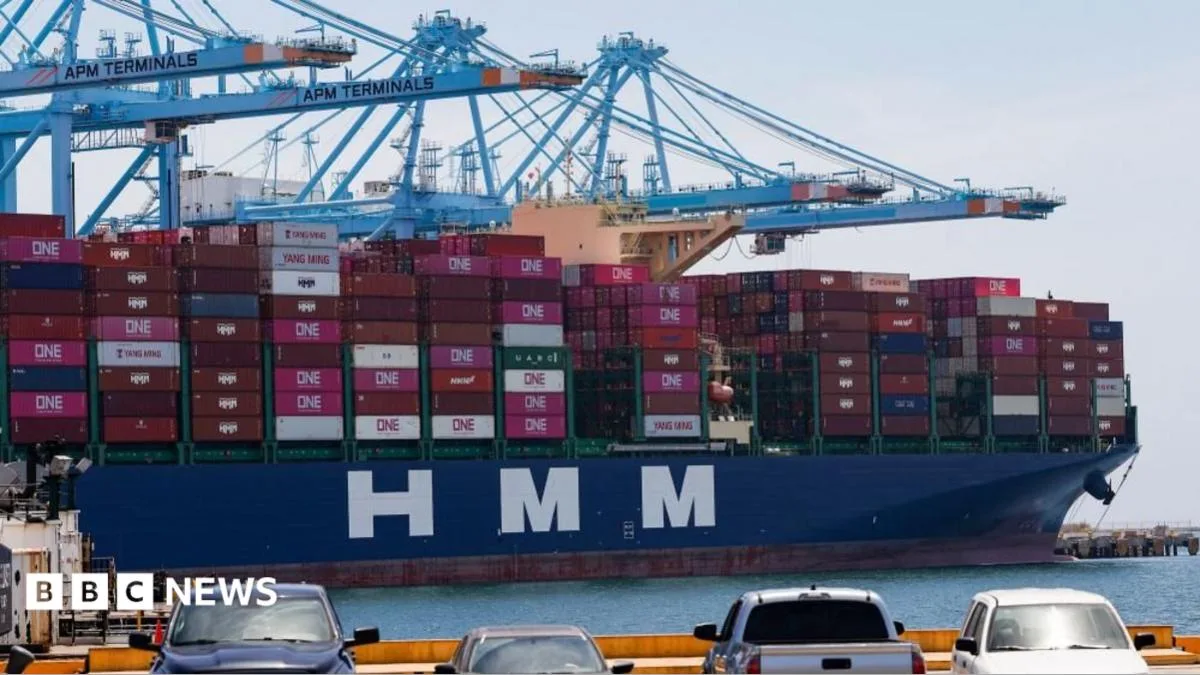
A coalition of 25 mostly Democratic-led US states filed a lawsuit on August 3 challenging tariffs ranging from 10% to 12.5% on imports from 60 trading partners, including the EU, China, Japan, Canada, Brazil, Norway, and Taiwan [1, 2, 3]. The tariffs took effect on July 24, replacing an expiring 10% global tariff [1, 2, 3].
The Trump administration imposed the tariffs under Section 301 of the Trade Act of 1974, targeting countries accused of failing to prevent imports made with forced labor [1, 2, 3]. The tariffs affect over 99% of US imports according to the US Trade Representative’s office [1, 3].
The lawsuit argues Trump exceeded his legal authority and that the tariffs are a pretext to continue illegal duties after similar tariffs were struck down by the Supreme Court in February 2026 [1, 2, 3]. New York Attorney General Letitia James said, "After losing at the Supreme Court, the administration is once again trying to illegally raise taxes on families and businesses with a new round of tariffs" [4]. Oregon Attorney General Dan Rayfield added that Trump is "trying yet again to inflict more chaos on working families and homegrown Oregon businesses" [2]. New York Governor Kathy Hochul called the tariffs "nothing more than a tax on hardworking families" [1].
The Supreme Court ruled on February 20 that tariffs imposed under the International Emergency Economic Powers Act (IEEPA) were unconstitutional, striking down Trump's earlier tariffs [2, 5]. After that, temporary 10% tariffs were imposed under Section 122, which expired on July 24, prompting the administration to introduce the current tariffs under Section 301 [2, 5, 4, 6].
White House spokesman Kush Desai defended the tariffs, stating: "The United States is using its lawful authority to obtain the elimination of unreasonable acts, policies, and practices that burden US commerce. A foreign country’s failure to impose and effectively enforce a prohibition on the importation of goods produced with forced labor is unreasonable and burdens US commerce, including American workers, and must be addressed" [7].
Several affected trading partners, including Brazil, Japan, and China, have criticized the tariffs as unjustified or political manipulation [1].
The states are seeking a court order to halt the tariffs, declare them unlawful, and require refunds of duties already paid [1, 3]. The case will proceed in the US Court of International Trade, where the legality of these tariffs will be examined [1, 2, 3].