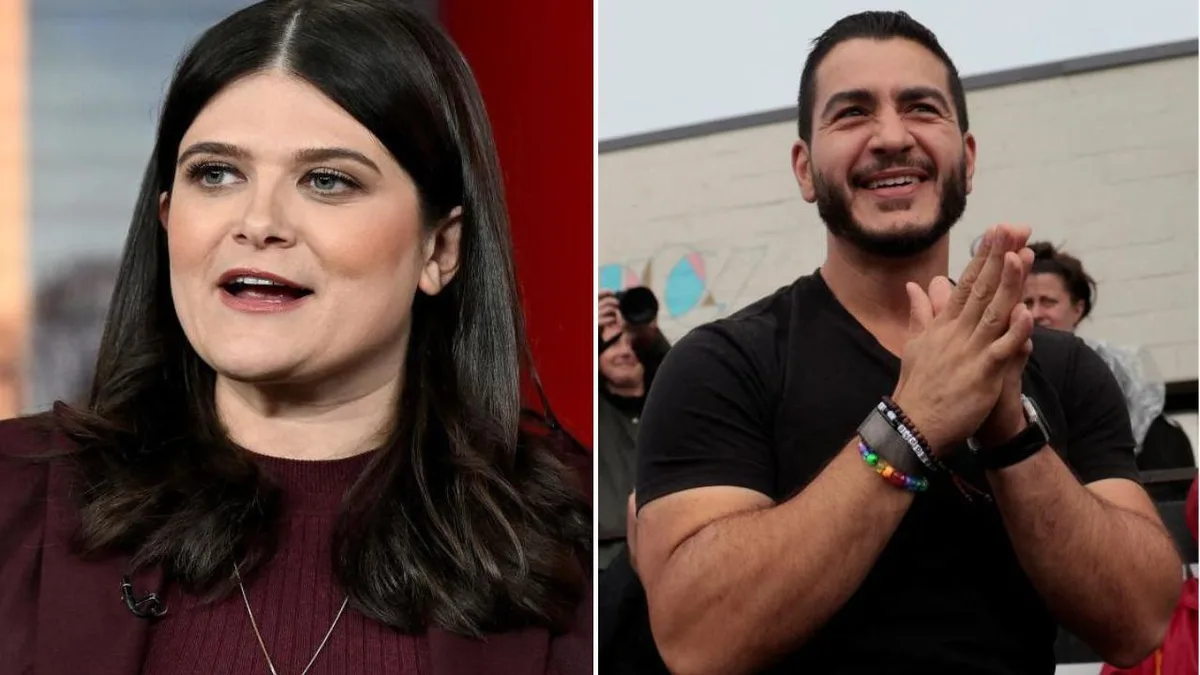
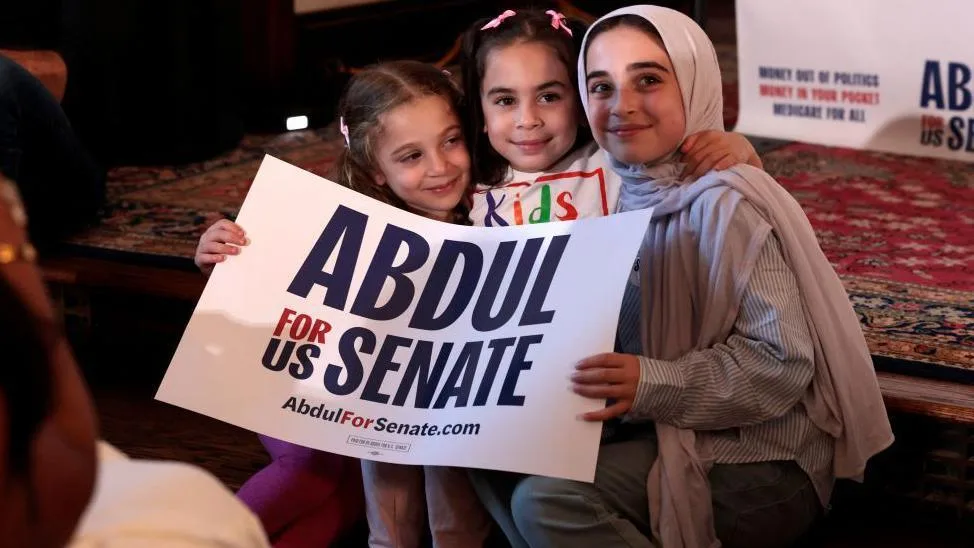
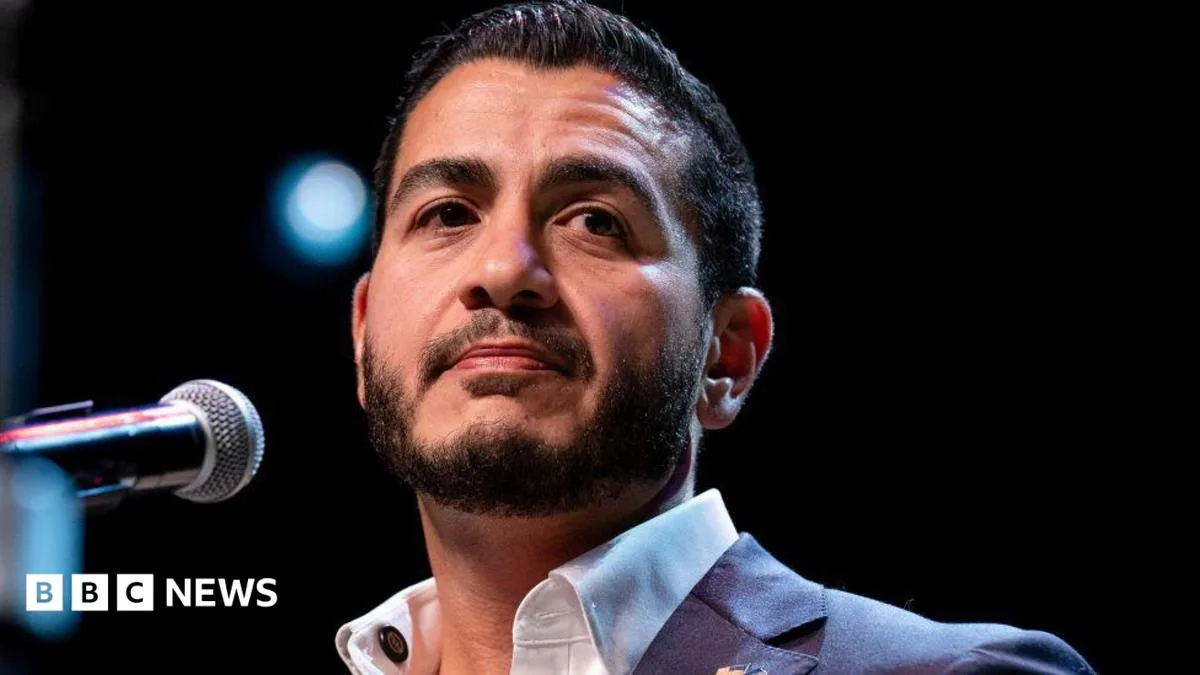
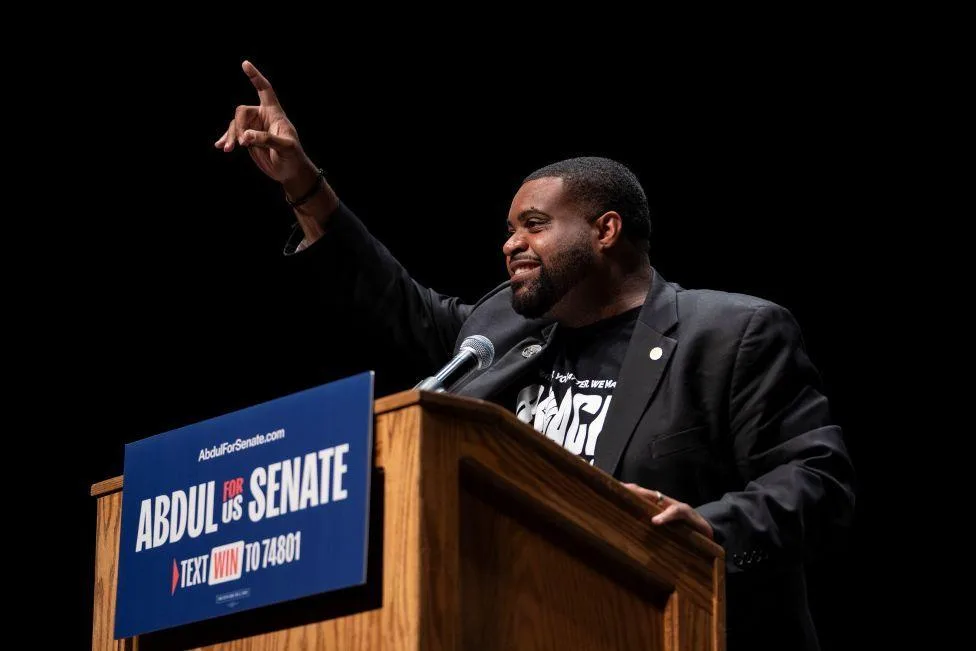
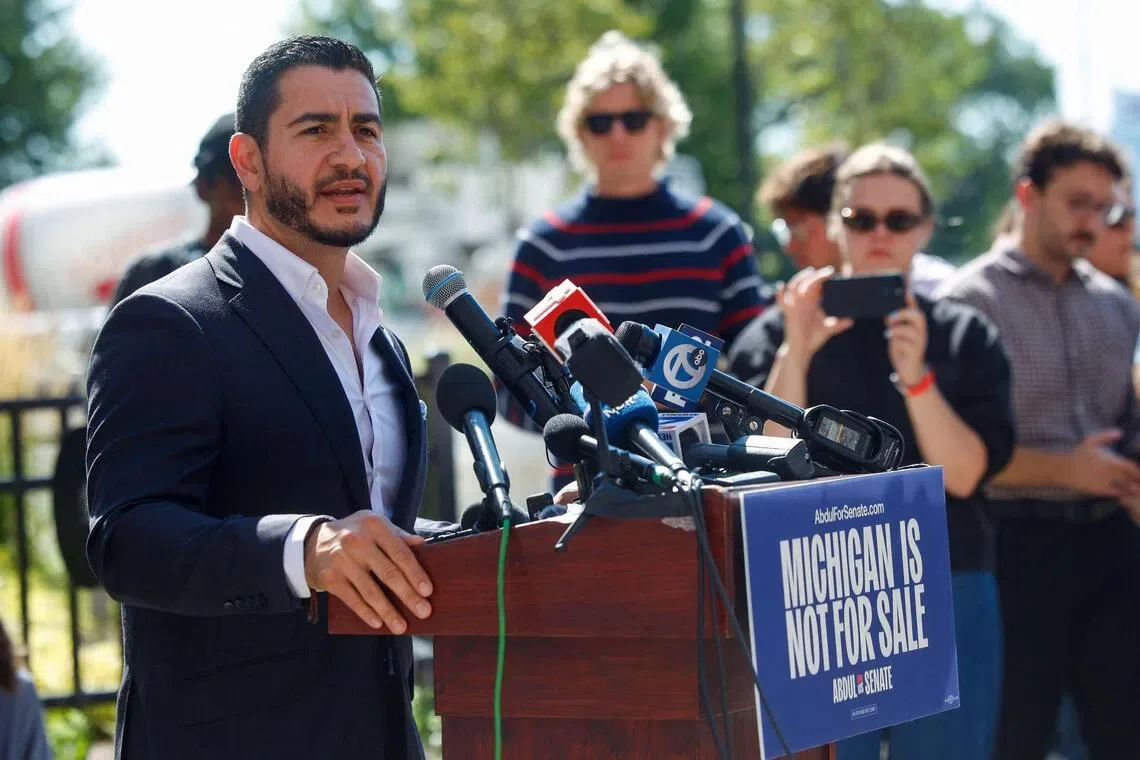
Abdul El-Sayed won the Democratic primary for the U.S. Senate in Michigan on August 4-5, 2026, edging out four-term congresswoman Haley Stevens in a close contest [1, 2, 3]. El-Sayed, a progressive political outsider and former public health official, led with 48.5% of the vote to Stevens' 47.5% after nearly all ballots were counted [4, 5, 6]. Stevens had strong establishment backing including Governor Gretchen Whitmer, outgoing Senator Gary Peters, and pro-Israel groups such as Aipac, which spent $32 million supporting her [7, 4, 8]. Outside spending backing Stevens reportedly topped $40 million [4, 8].
El-Sayed received high-profile endorsements from progressive figures like Bernie Sanders and Alexandria Ocasio-Cortez, contrasting with Stevens’ support from more moderate Democrats [1, 7, 3]. Their race highlighted divisions within the Democratic Party, particularly around the U.S. stance on Israel. El-Sayed called for ending unconditional military aid to Israel, while Stevens firmly supported continuing U.S. aid without conditions [1, 4, 8].
Black voter turnout was seen as a significant factor in the primary outcome [3, 5]. Early vote counts on August 5 showed El-Sayed holding a narrow lead with about 95% of votes tallied, before the race was officially called for him later that morning [2, 9, 10, 3, 8, 5]. After the victory, El-Sayed urged party unity, saying, "Whatever happens tonight, we have a responsibility to ensure that we unite, unite to make sure that [Republican] Mike Rogers never sees the inside of the US Senate" [1].
Leading Democrats quickly rallied around him. Michigan State Senator Mallory McMorrow praised his win and pledged support ahead of the general election, while Senate leaders Chuck Schumer and Kirsten Gillibrand emphasized unity to defeat Republican opponents and retake the Senate [3, 11].
El-Sayed will face Republican Mike Rogers, the 2024 GOP Senate nominee with former President Donald Trump’s endorsement, in November’s general election for the seat of retiring Democrat Gary Peters [1, 4, 2, 3]. Michigan remains a critical swing state for control of the Senate [1, 4, 2].