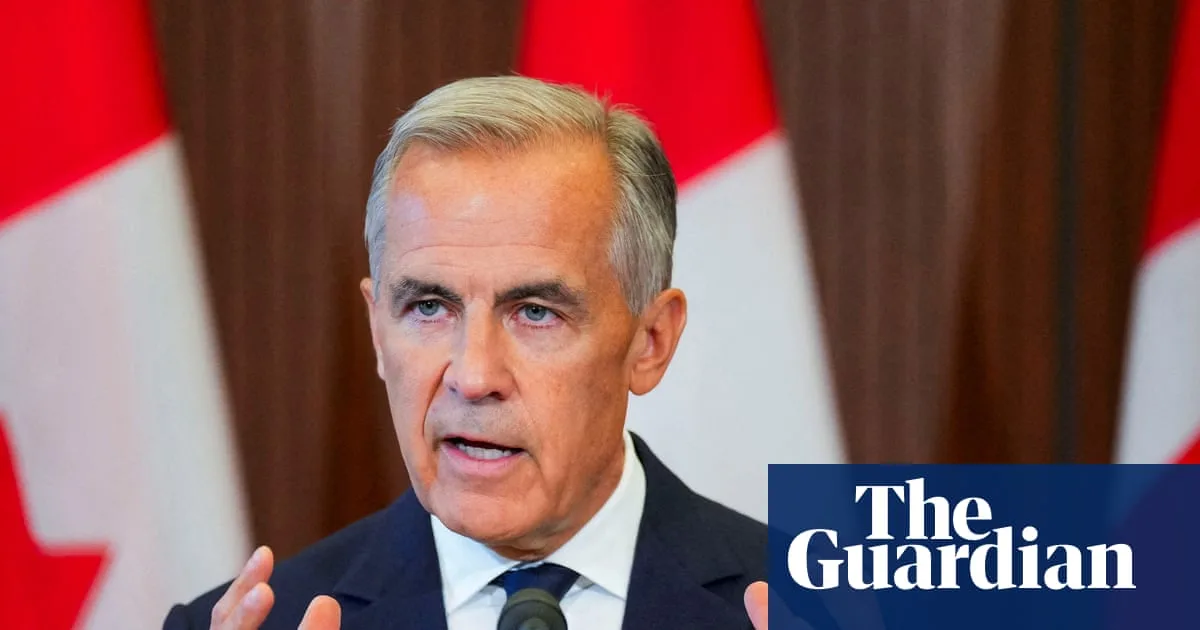
Canada’s Liberal Party won three special or federal by-elections held Monday, August 31, 2026, in Chicoutimi-Le Fjord (Quebec), Beaches-East York (Ontario), and North Vancouver-Capilano (British Columbia) [1, 2, 3].
Daniel Gobeil captured Chicoutimi-Le Fjord with 51.3% of the vote, flipping the seat from the Conservative Party which held it since 2018 [1, 3]. The Liberal Party retained the other two seats in Ontario and British Columbia, both previously held by Liberals [1, 2, 3].
These victories increased the Liberals’ total number of seats in the House of Commons to 173, surpassing the 172-seat threshold needed for a majority [1, 3].
The elections took place amid escalating trade tensions between Canada and the United States. On August 21, 2026, after talks collapsed, US President Donald Trump imposed 50% tariffs on approximately $20 billion worth of Canadian goods [1, 2, 3]. Canada announced plans to impose retaliatory tariffs on US products starting September 8, 2026 [1, 3].
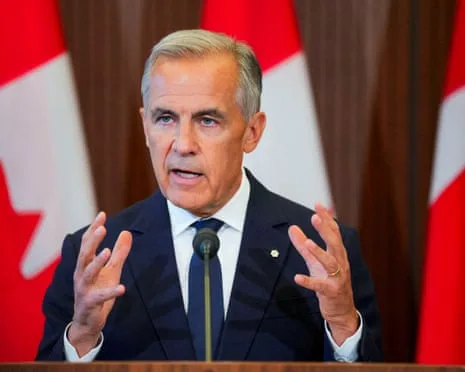
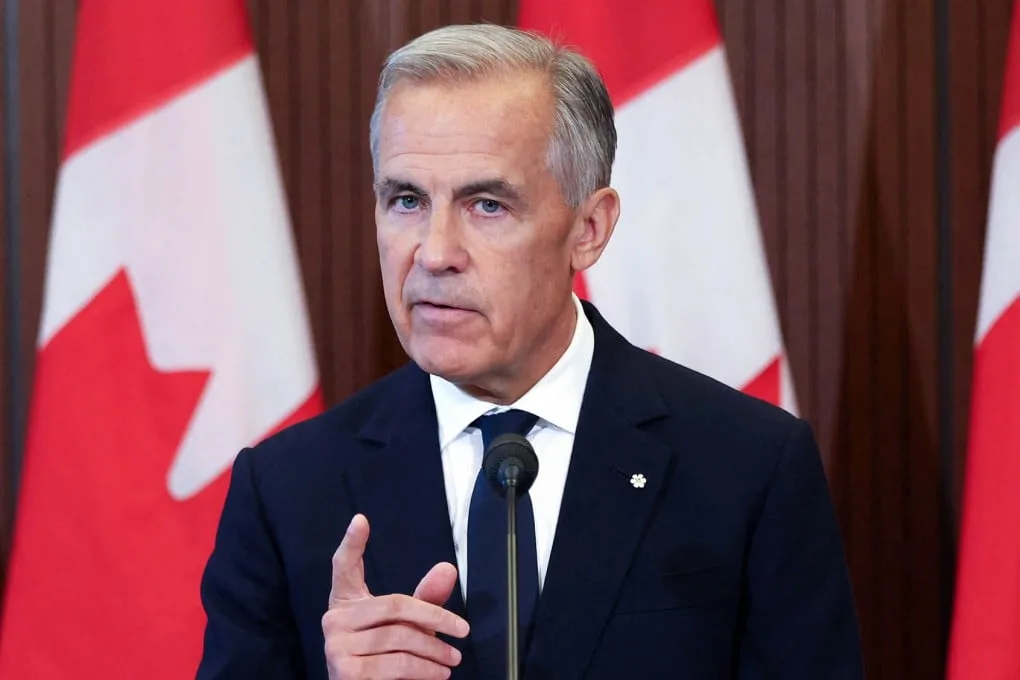
Prime Minister Mark Carney called the election results a sign of public support, saying, "At this consequential time for Canada, voters have placed their trust in our government’s plan" [1]. He described the trade dispute as a test for Canada in a changing world and stressed the need to diversify trade partnerships beyond the United States [1, 3].
The heightened rhetoric and actions by the US, including symbolic moves such as renaming Lake Ontario, have intensified tensions and reportedly increased Liberal backing [1, 3]. Liberal candidate Daniel Gobeil said of his win, "This victory means we can maintain Canadian unity all across the country" [1].
Canada will implement its retaliatory tariffs on September 8, marking the next concrete step in the ongoing trade dispute with the United States [3].