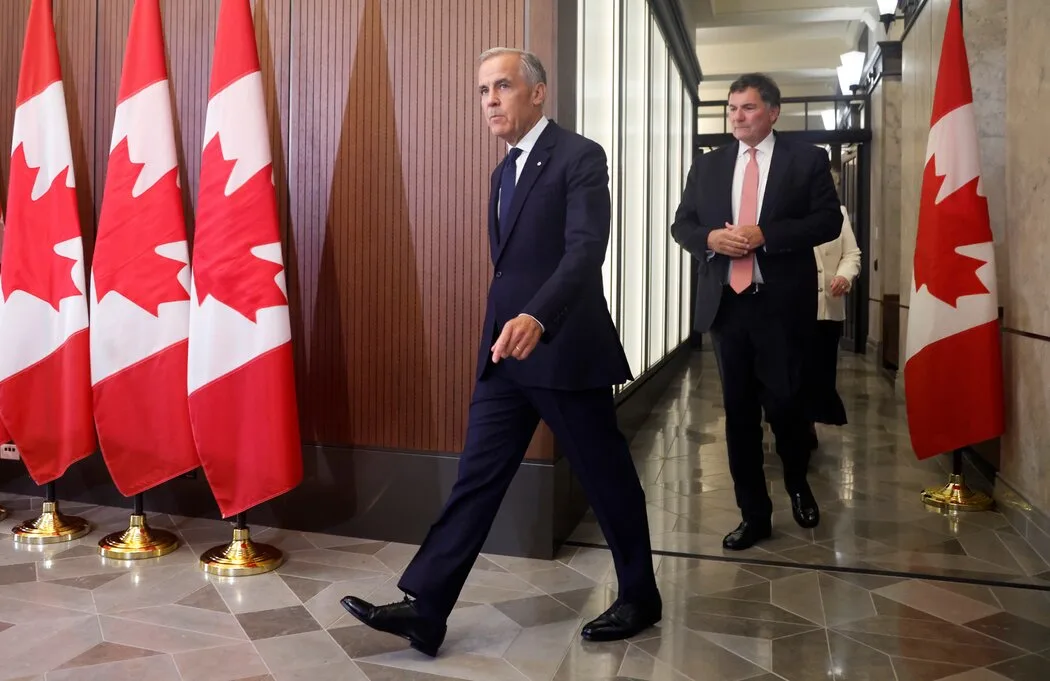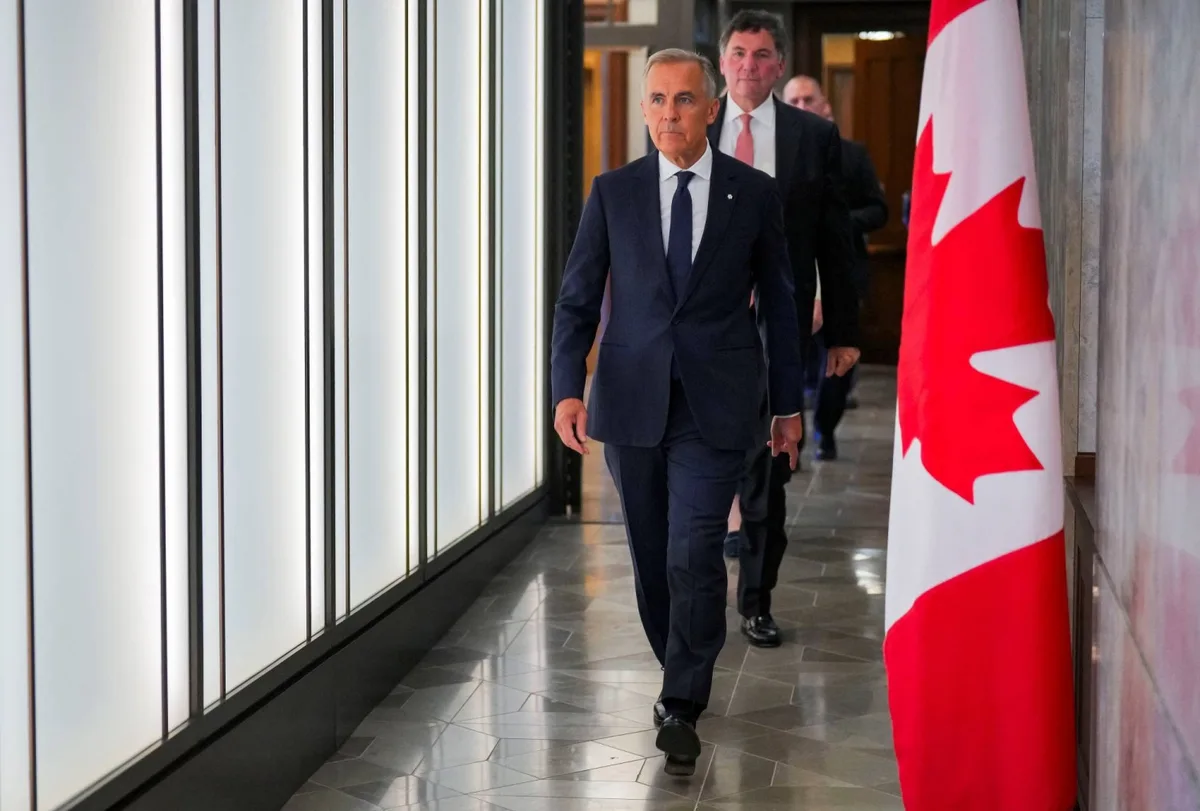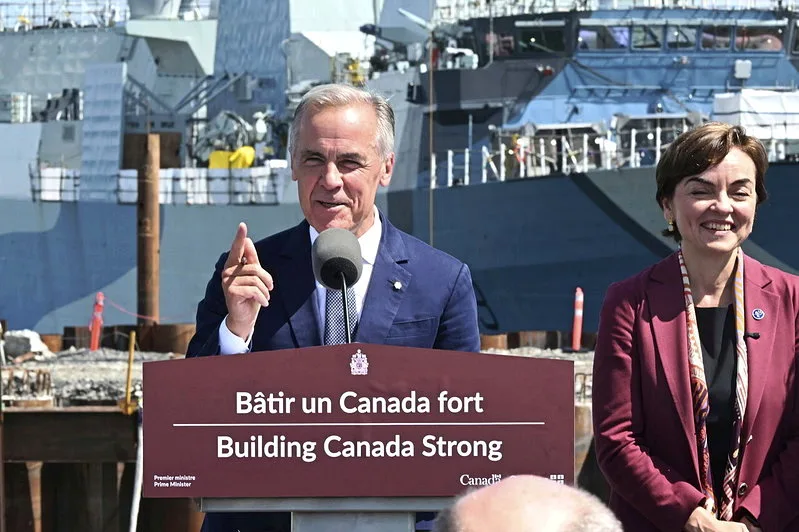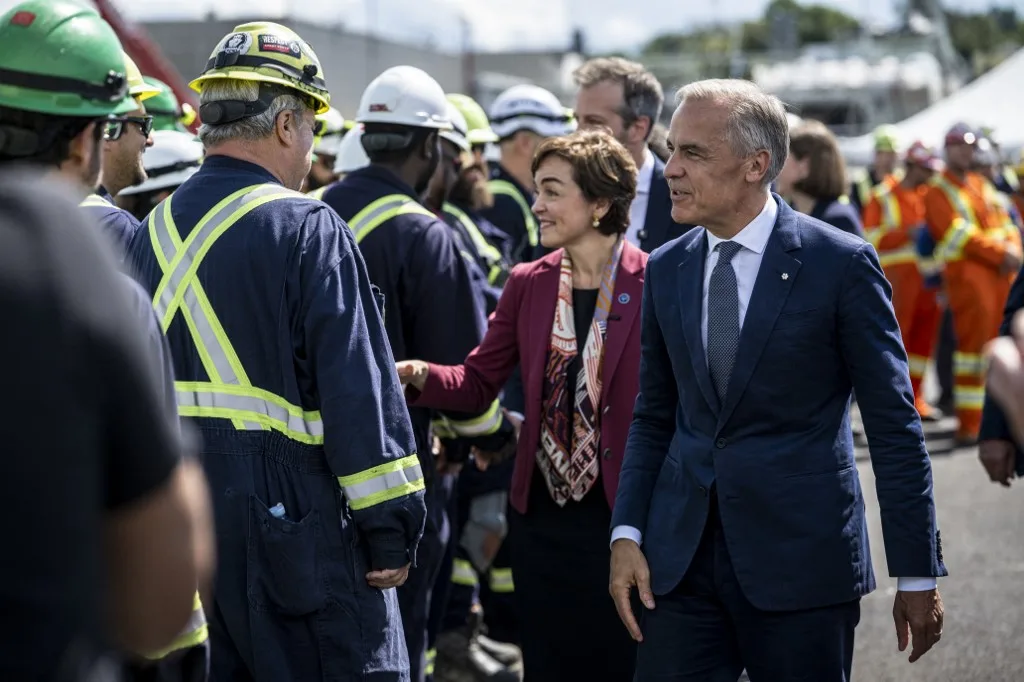
Canadian Prime Minister Mark Carney, a former central banker, broke off trade negotiations with the United States on August 22 and ordered Canadian negotiators to return to Ottawa amid rising tensions [1, 2, 3]. Carney declined to accept President Donald Trump’s trade demands despite the threat of retaliation by the U.S. He declared, "We are masters in our own house," asserting Canada’s resolve even as the country depends heavily on exports to the U.S. [1, 2, 3].
The U.S. plans to impose tariffs of up to 50% on Canadian cars, trucks, parts, and steel starting January 1, 2027, affecting Canadian goods worth about $200 billion [2, 3]. In response, Canada announced retaliatory tariffs on nearly $20 billion of U.S. imports, covering hundreds of products including steel, appliances, and seafood on August 25 [2, 3].
Carney became leader of Canada’s Liberal Party in March 2025 and swiftly won the election a month later amid escalating trade conflicts with the U.S. [2, 3]. He has since strengthened ties with the European Union and outlined plans to boost military spending and build a Pacific oil pipeline to lessen dependence on the U.S. market [2, 3].
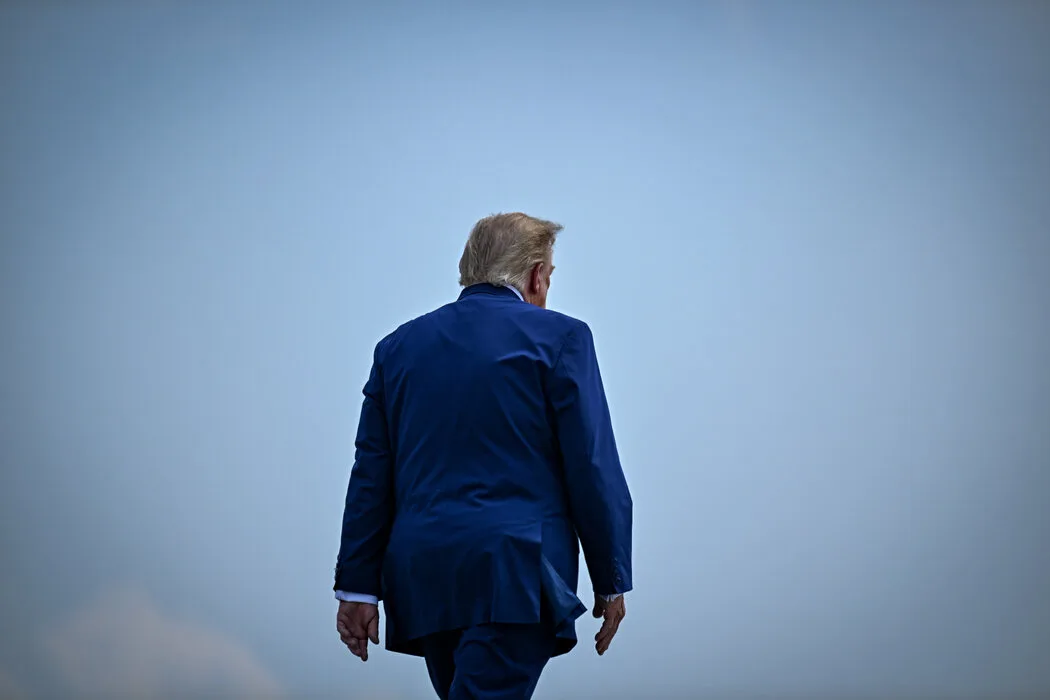
Public support for Carney’s stance remains strong, with a weekend poll showing 76% of Canadians backing his rejection of Trump’s demands [1, 2, 3]. Trump retorted by calling Carney a "weak Canadian Prime Minister" and threatened to rename Lake Ontario "America Lake," signaling heightened rhetoric [4]. White House spokesperson Kush Desai criticized Canada’s position as "short-sighted stupidity" given trade dependencies [4].
Observers see Carney’s firm resistance as a possible precedent for other global leaders facing U.S. pressure. Several world leaders from Europe, Israel, and Gulf states have also pushed back against Trump’s demands in different arenas [4, 5, 6]. Domestically, institutions including universities and law firms are increasingly resisting Trump administration policies, though Trump retains influence over the Republican Party despite losing 10 endorsed primary races, 6 of them in August 2026 [4, 5, 6].
Norm Eisen, former Obama White House lawyer, said, "Trump has always been his own greatest enemy," while Jeremy Shapiro of the European Council on Foreign Relations called Greenland a "turning point," where "Europeans realized Trump's greed and demands have no end" [4].
Trade observers await the impact of the U.S. tariffs scheduled to take effect January 1, 2027, as Canada prepares to enforce its retaliatory measures starting in late August.