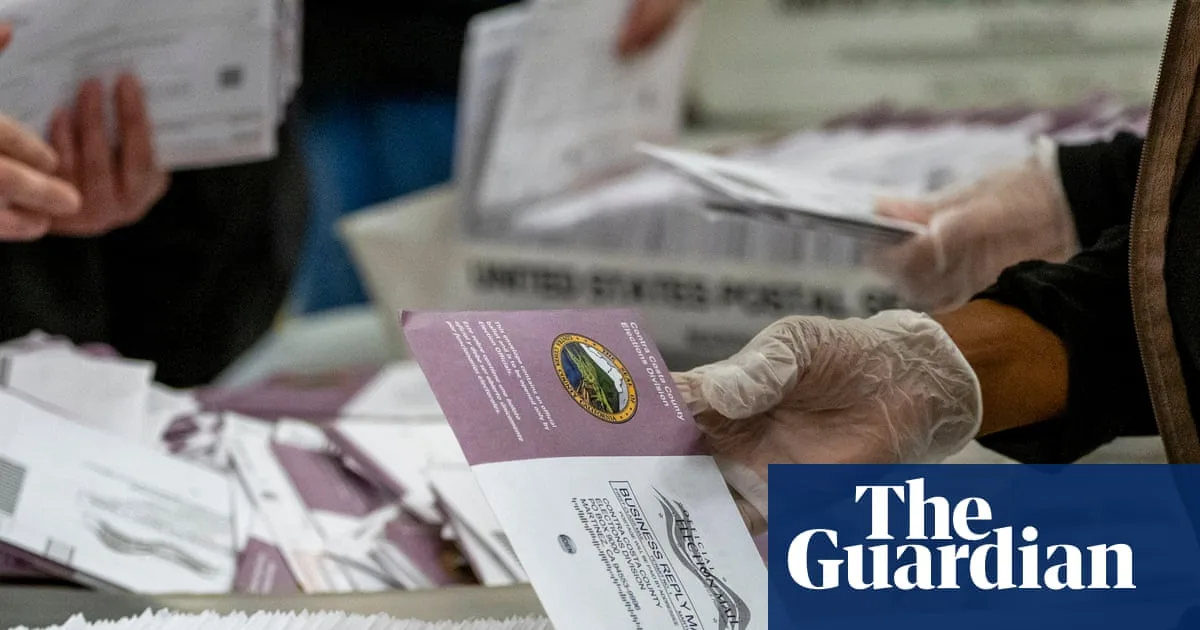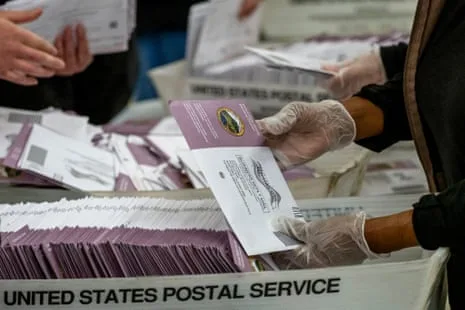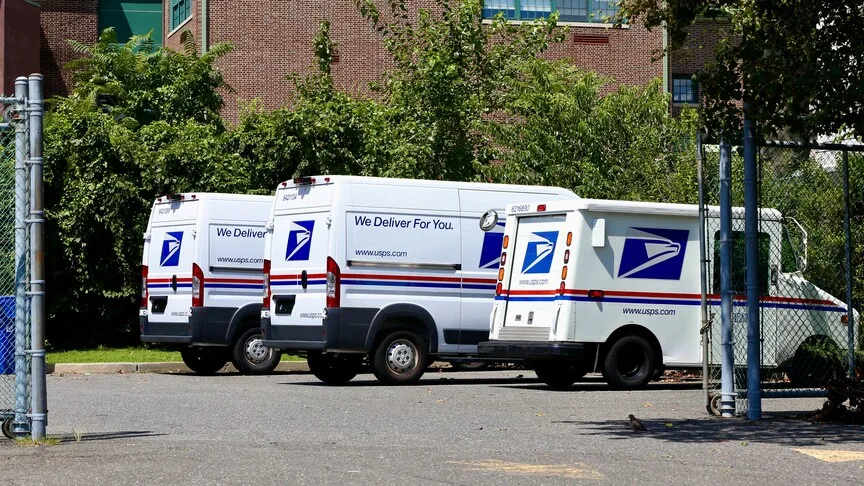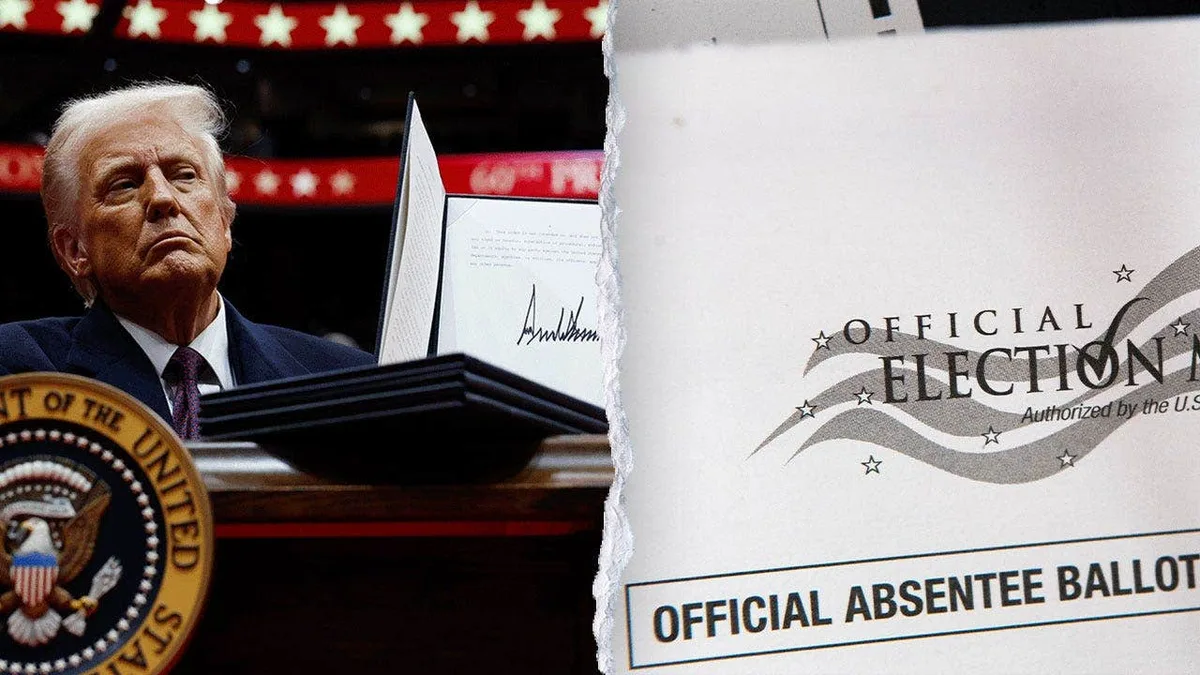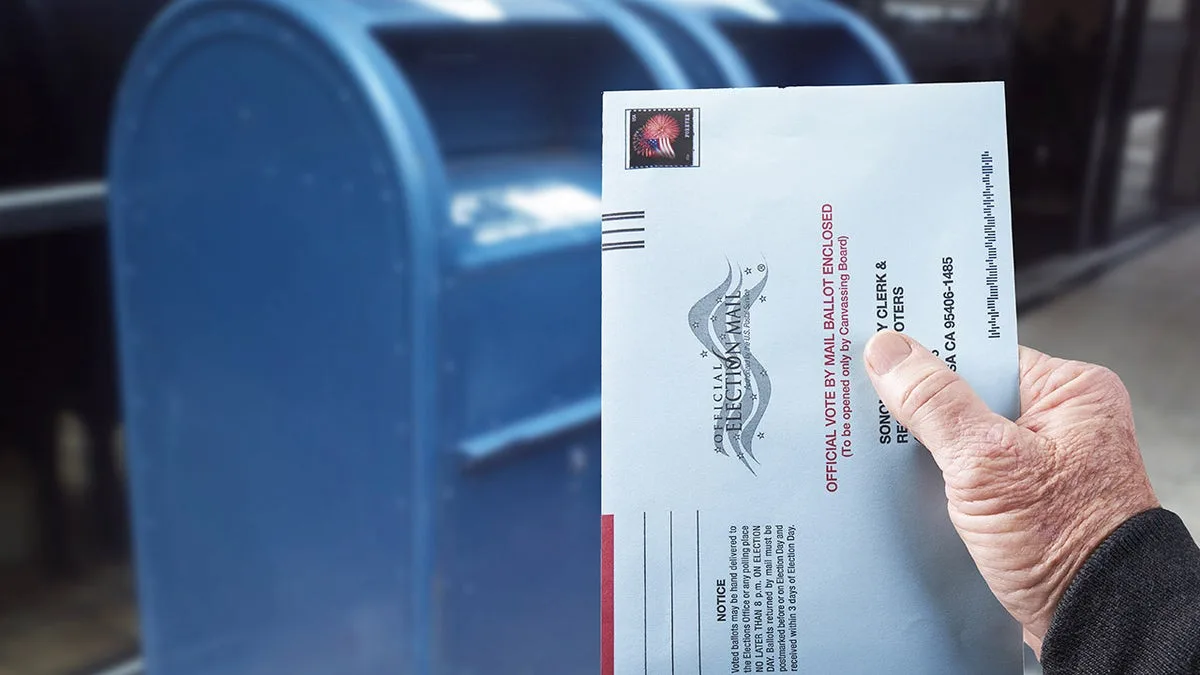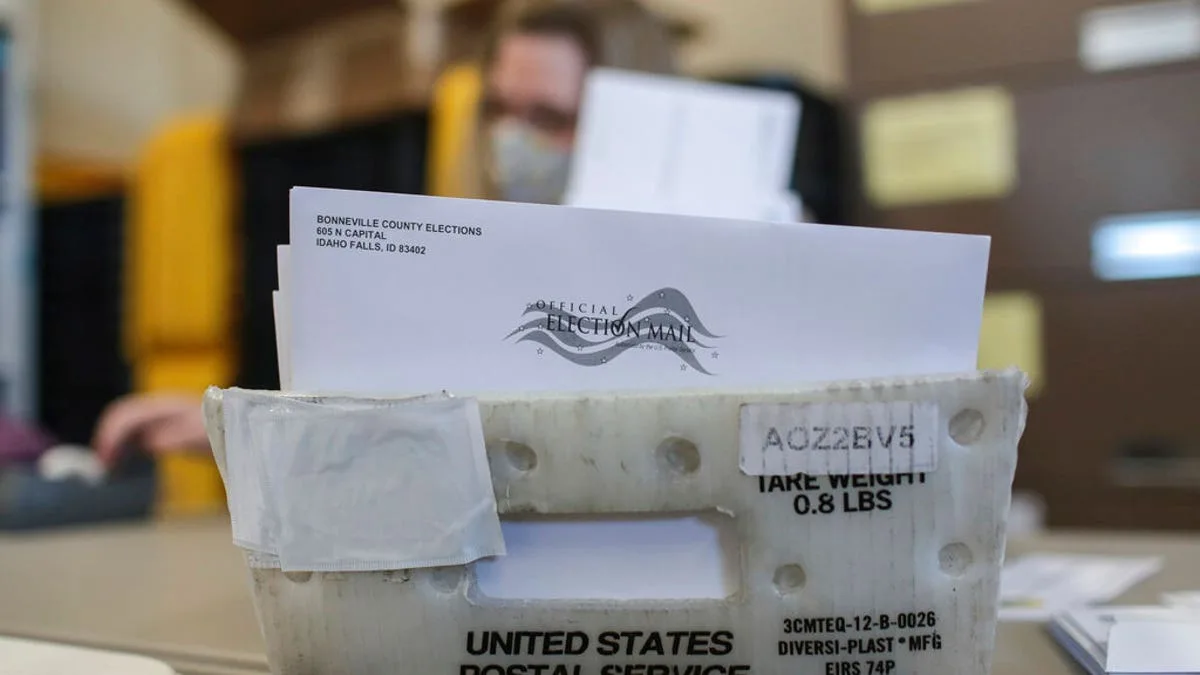
US District Judge Indira Talwani issued a nationwide injunction preventing the U.S. Postal Service from enforcing key provisions of President Donald Trump's Executive Order 14399, which sought to impose stricter rules on mail-in voting ahead of the November 3, 2026 midterm elections [1, 2, 3].
The injunction, issued on August 11, 2026, bars USPS from refusing to deliver mail-in or absentee ballots that do not comply with new requirements or that are not listed on voter rolls provided to the Postal Service [1, 2, 3]. This expands a previous June 2026 injunction by Talwani that blocked implementation of the order’s provisions only in 23 states and Washington, D.C. [1, 2, 3].
Trump's March 31, 2026 Executive Order 14399 directed the Department of Homeland Security to compile confirmed citizenship lists of voters, ordered USPS to establish mail-in ballot handling standards, and told the Department of Justice to investigate ballot issuers suspected of allowing ineligible voters to cast ballots [2, 3]. Talwani’s ruling stops USPS from applying those new mail handling rules nationwide but does not prevent nonbinding USPS guidance on ballot envelopes [3].
Voting rights groups had urged the judge to bar these USPS actions across the country, arguing the Postal Service has no legal authority to reject ballots [1]. The Trump administration views the order as necessary to prevent fraud. Trump tweeted that "Cheating on mail-in voting is legendary. It’s horrible. Democrats want to use it for cheating" [3].
The Department of Justice and USPS sought to pause the initial June injunction, but the 1st U.S. Circuit Court of Appeals in Boston denied the request on July 25, 2026 [3]. After the nationwide injunction, the Trump administration announced it will appeal Talwani's latest ruling to the same appellate court [3]. Meanwhile, the Supreme Court is considering whether to lift the earlier injunction for some states [2].
The nationwide block issued by Talwani comes three months before the midterm elections scheduled for November 3, 2026 [3]. The case is expected to proceed rapidly through appeals in the coming weeks.