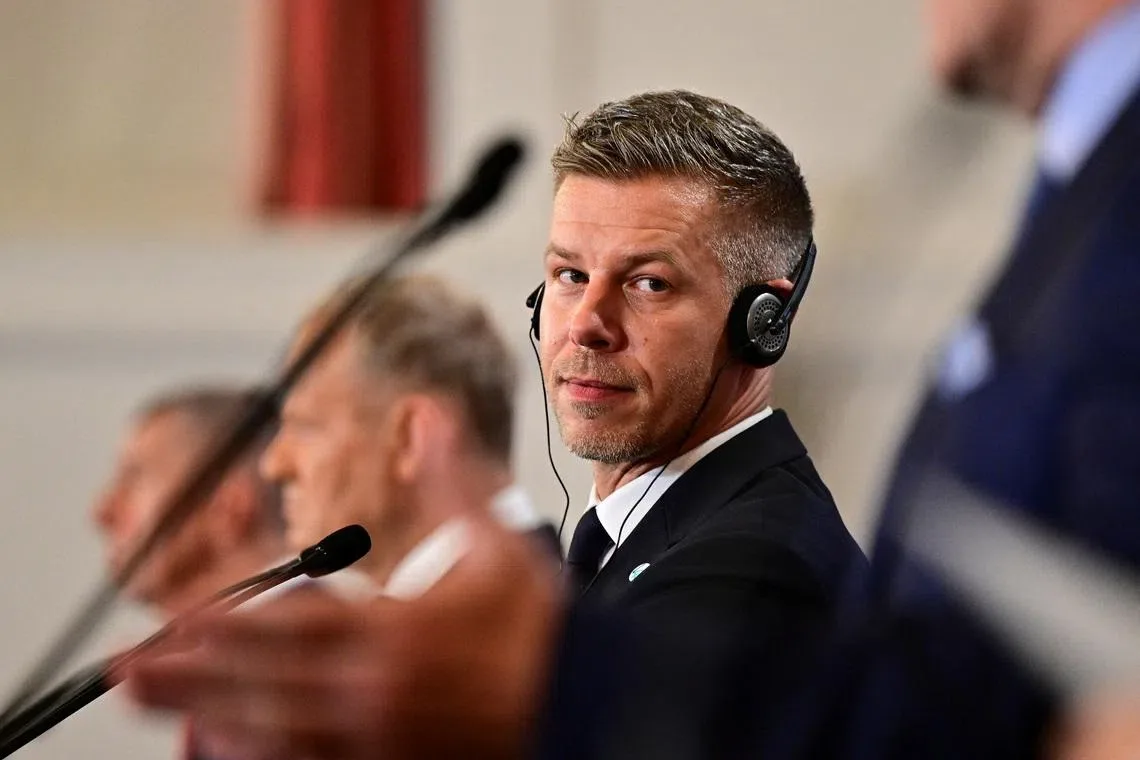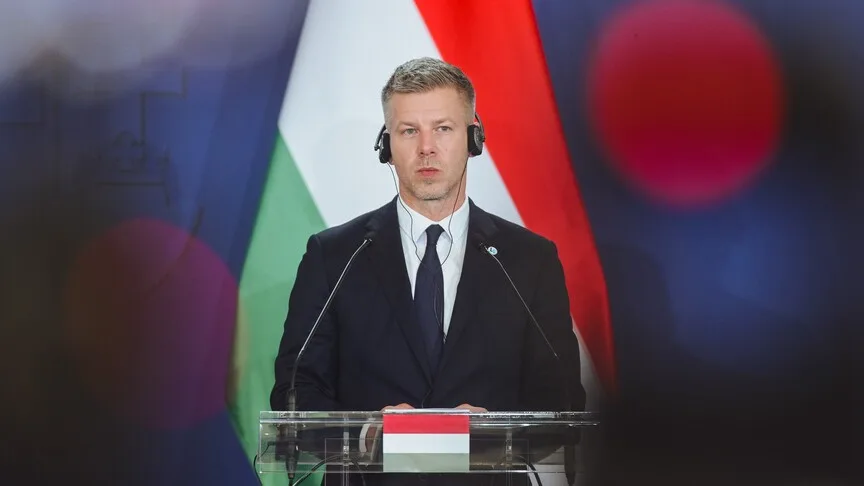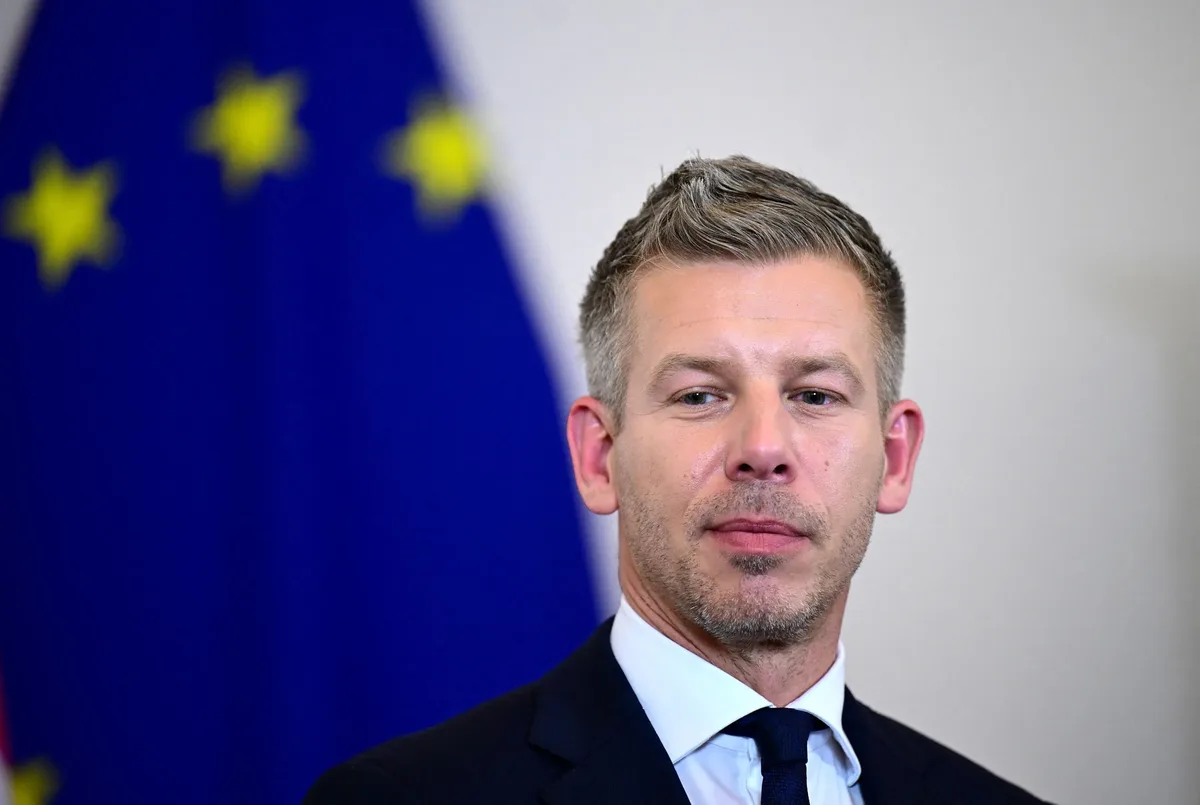
Hungarian Prime Minister Peter Magyar announced on June 26 that Hungary plans to meet the European Union’s economic benchmarks required to adopt the euro by 2030 [1, 2, 3]. Magyar made the statement during a meeting with Eurogroup President Kyriakos Pierrakakis in Budapest, signaling increased dialogue with EU institutions [1, 2, 3].
Adopting the euro, Magyar said, will require a separate political decision and a public consultation process. “We need consultation, we need to involve people,” he stated [1, 3]. This means that even if Hungary meets the economic criteria, approval from lawmakers and the public is still necessary.
The toughest challenge remains reducing Hungary’s high public debt. The 2026 budget deficit is projected to reach 6.8% of GDP, more than double the 3% ceiling required for euro adoption under EU rules [2]. This is also above initial government plans. Finance Minister Andras Karman said a review of public finances will guide a revised 2026 budget to be submitted to parliament by the end of August [2].
Magyar criticized the previous government led by Viktor Orban for misleading the public on state finances. Magyar said his administration’s anti-corruption reforms and pro-EU policies have helped restore confidence in financial markets, supporting Hungary’s euro ambitions, although some sources rate this confidence improvement as medium certainty [2].
Eurogroup President Pierrakakis declined to comment directly on Hungary’s euro adoption timeline but said the Eurogroup supports Hungary’s efforts to meet the criteria [2]. Magyar said adopting the euro would bring “greater predictability, growth, and stability” to Hungary’s economy [3].
The Hungarian government’s next key step is the planned submission of an overhauled 2026 budget to parliament by the end of August, following a public finance review [2]. This budget will be crucial for addressing the deficit and meeting euro adoption requirements.