The International Atomic Energy Agency's Board of Governors passed a resolution on June 10, 2026, demanding Iran provide precise information on its damaged nuclear sites and remaining uranium stocks, and grant immediate inspection access. The resolution, prepared and led by the United States, received 21 votes in favor, 3 against, and 10 abstentions, with Russia, China, and Niger opposing and 35 nations voting overall [1].
The resolution addresses uranium enrichment sites bombed by Israel and the United States in June 2025, which damaged or destroyed facilities but left much enriched uranium intact, including some near weapons-grade levels of roughly 90 percent enrichment and enrichment near 60 percent at some sites [2, 3, 4, 1, 5].
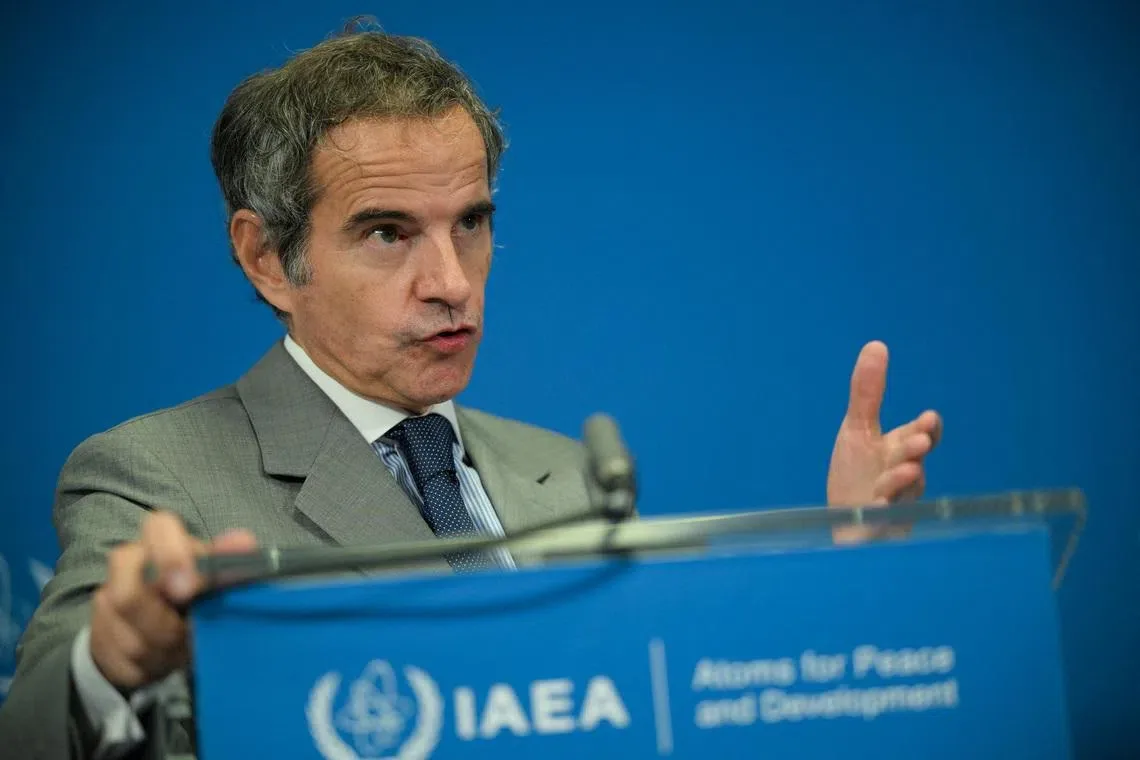
IAEA Director General Rafael Grossi urged Iran on June 8 to "re-engage" and cooperate fully with the agency, saying, "It's very important that we re-engage," and calling on Tehran to facilitate "the full and effective implementation of safeguards" [4, 5].
Iran condemned the resolution and the agency's warnings, calling them coercive and accusing the U.S. and Israel of military aggression. Tehran's mission to the IAEA said, "Responsibility for an internationally wrongful act rests with the perpetrator and cannot be transferred to the victim. The Board must not be instrumentalized to relieve those who carried out these attacks of their responsibility." They added, "Coercion and confrontation do not lead to cooperation" and said the approach "undermines prospects of a diplomatic solution" [4, 5].
The U.S. declined to comment publicly on the resolution or its strategy at the IAEA Board [2, 3]. Analysts expect the resolution and the IAEA's calls for Iran to allow inspections to complicate ongoing U.S.-Iran ceasefire discussions and nuclear negotiations [2, 3, 4, 5].