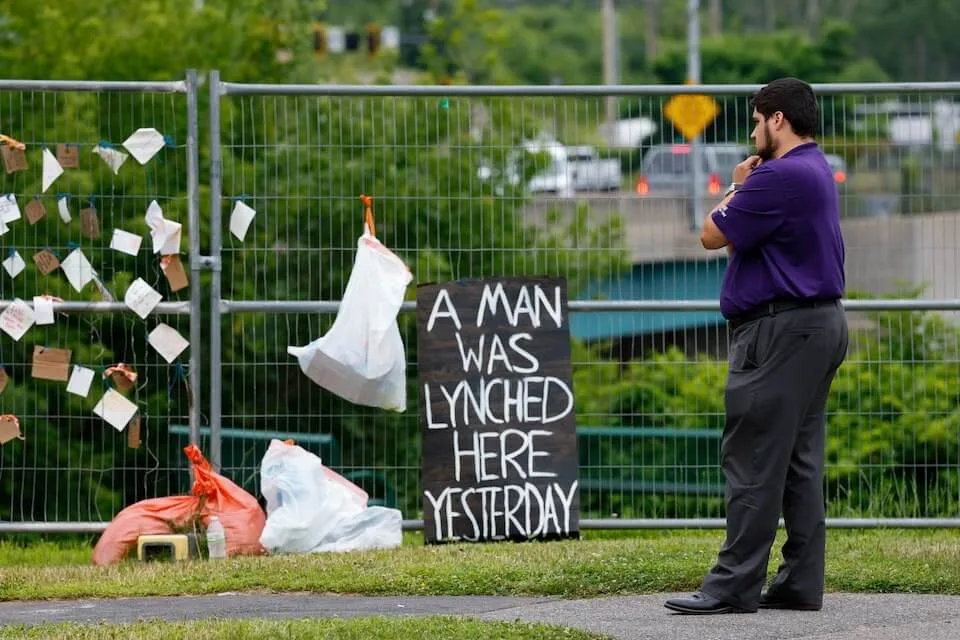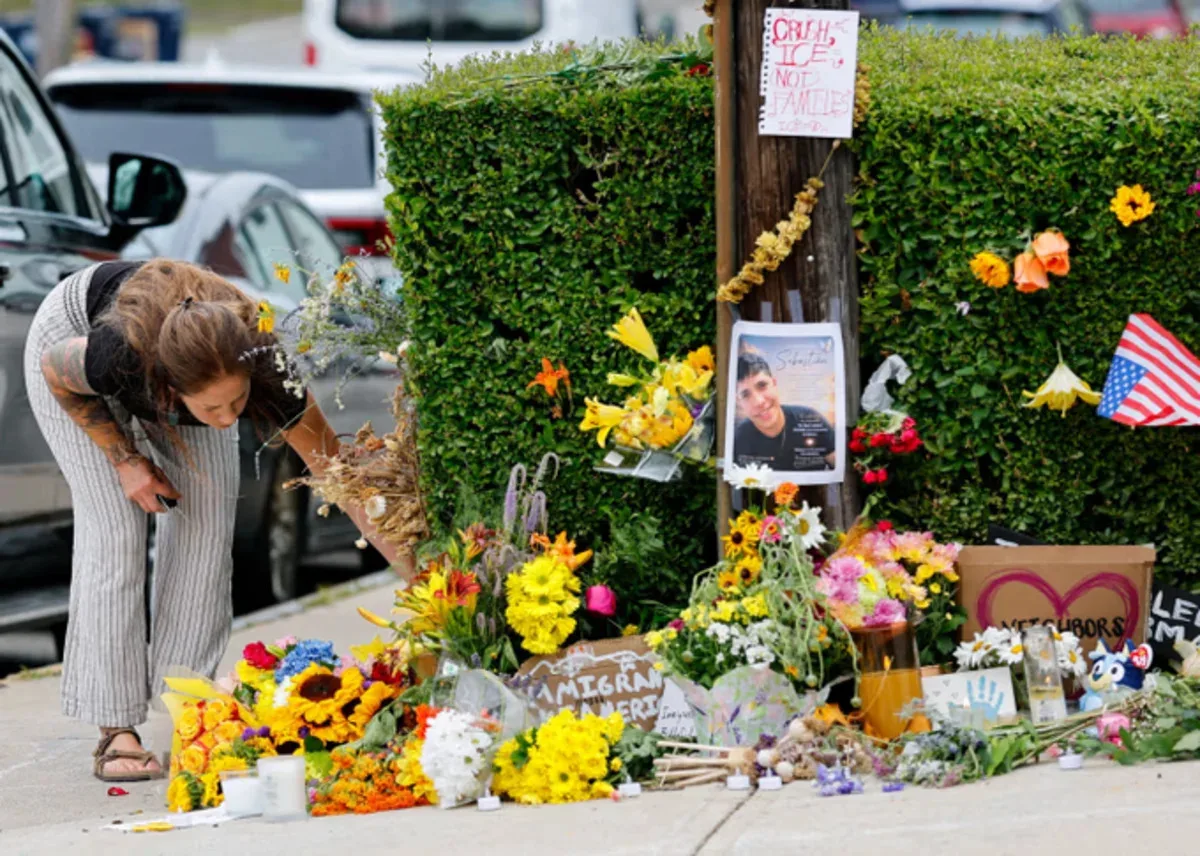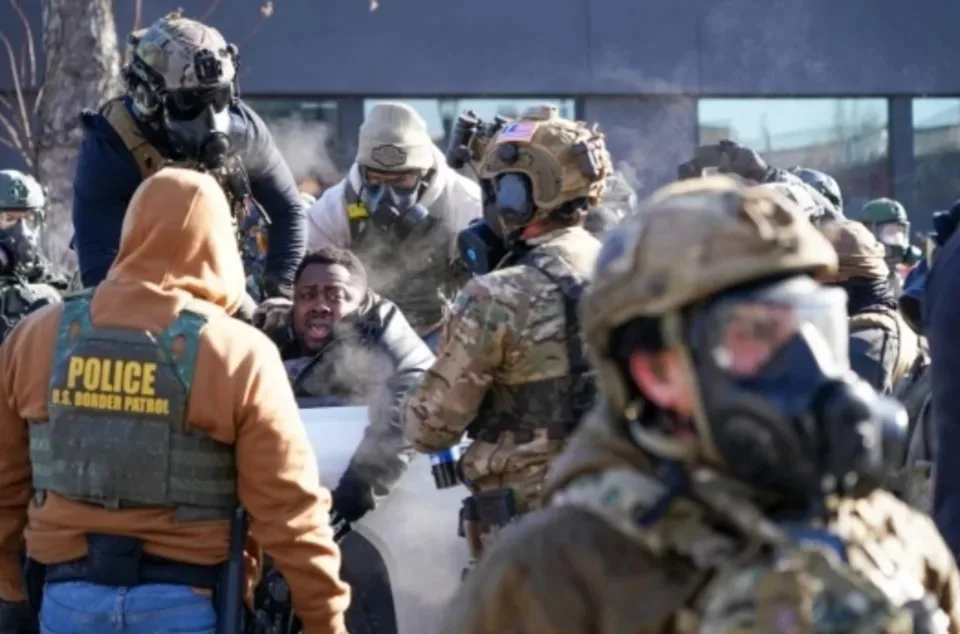
On July 13, 2026, ICE agent David Brouillette fatally shot 26-year-old Colombian Joan Sebastian Guerrero in Biddeford, Maine during a vehicle stop linked to a deportation operation [1, 2, 3, 4, 5]. Guerrero was legally authorized to work in the US and held a Social Security number; he was not the intended target of the operation [1, 3, 4]. Video footage showed the incident unfold at a laundry store intersection: Guerrero’s white vehicle circled before an ICE SUV blocked it and hit it; Guerrero was dragged unconscious from the car and then shot [1, 3, 4]. Following the shooting, FBI and state authorities launched investigations, and Brouillette was placed on administrative leave [1, 4]. Brouillette, 37, is a military veteran with a history of serious mental health issues and violent behavior, raising questions about Department of Homeland Security hiring standards [6].
The shooting came six days after another fatal firing, when on July 7, ICE agents killed 52-year-old undocumented Mexican man Lorenzo Salgado Araujo during a vehicle stop in Houston, Texas [1, 2, 5]. ICE claimed the vehicle was used to ram officers, justifying self-defense, but witnesses disputed the officer was ever directly in front of the vehicle [2, 5].
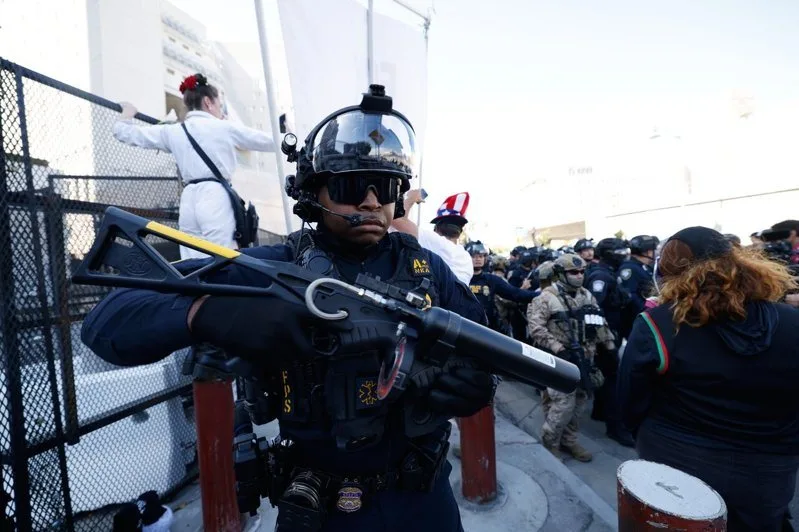
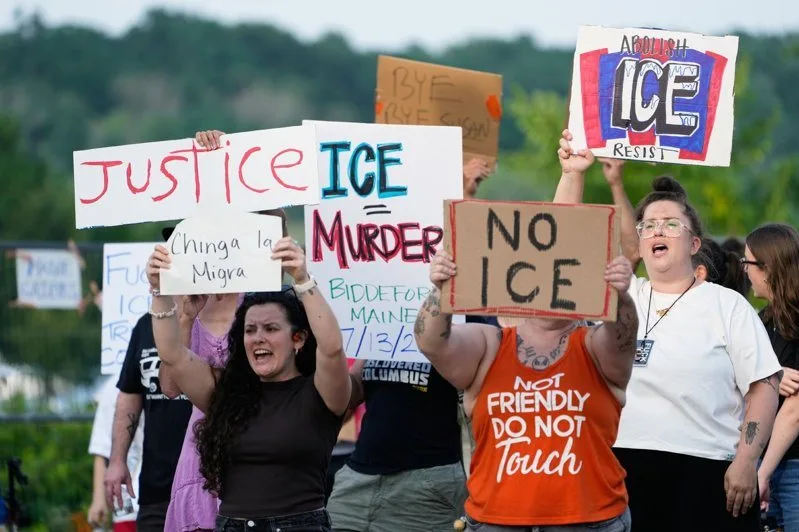
The Maine shooting marked the ninth fatal ICE shooting since President Donald Trump’s immigration crackdown began and the second deadly shooting in one week [1, 4]. It sparked protests in Biddeford, where demonstrators held signs saying "Stop killing us," and drew condemnation from Colombian President Gustavo Petro, who said, "They killed him because they saw him as a lesser being without rights" [1, 2, 5]. Senator Angus King stated that "the person killed was not the one they were after" [4].
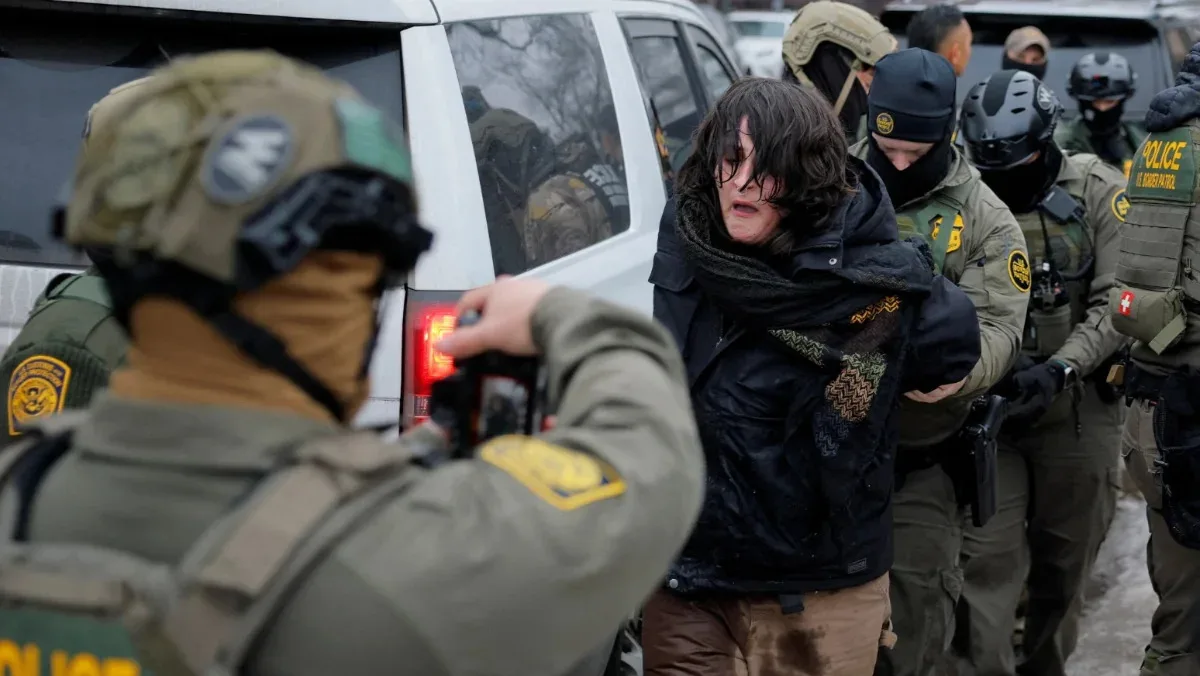
An ACLU 2026 report found that ICE and related agents used force in about one-third of over 1,200 incidents investigated, with tactics ranging from physical restraint to potentially lethal force. ACLU immigration policy director Naureen Shah said the use and threat of force has become an accepted tactic by immigration officers [6].
After the two shootings, ICE announced a temporary nationwide suspension of most traffic stops starting July 14 to review safety protocols [2, 5, 7]. President Trump tweeted on July 15 that ICE would not end vehicle traffic stops, calling them "one of the most important and effective crime-fighting tools" and emphasizing a strong immigration stance [8, 7].
Despite public backlash over enforcement violence, ICE arrests reached record highs in mid-2026, averaging over 1,400 daily arrests in early July [9].
Investigations into the Maine shooting continue, and the administrative leave of the involved officer remains in effect as federal and state authorities review the case [1, 4].