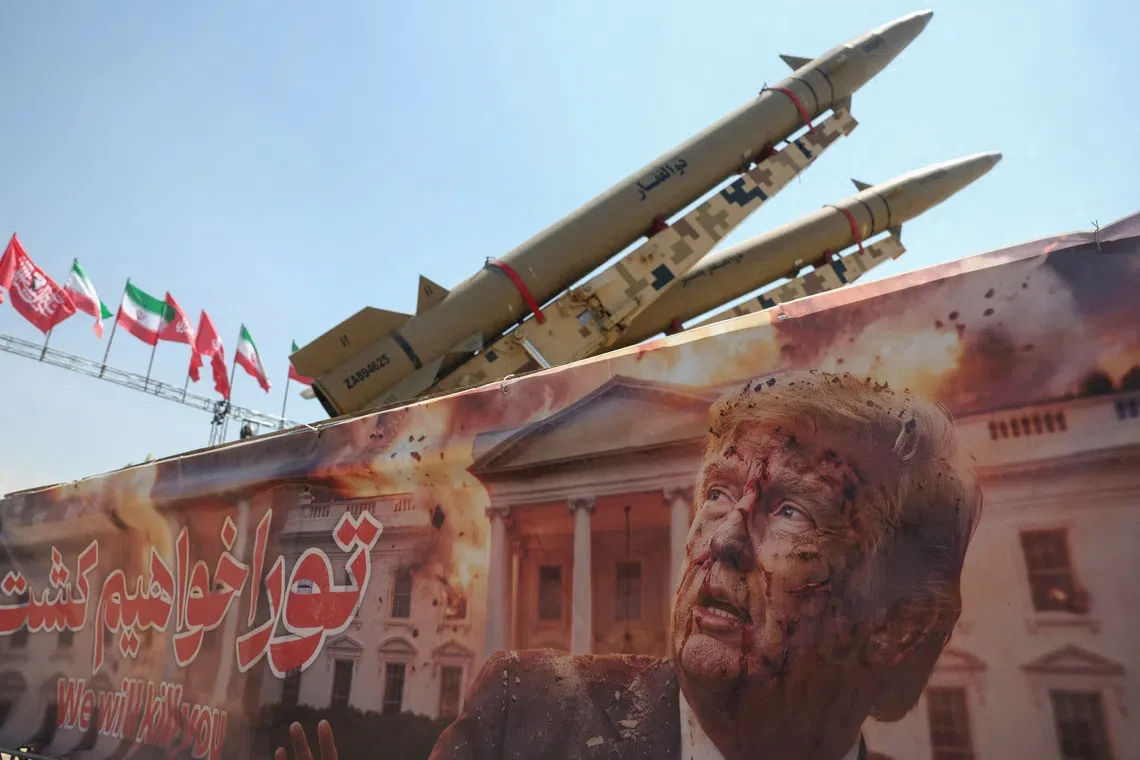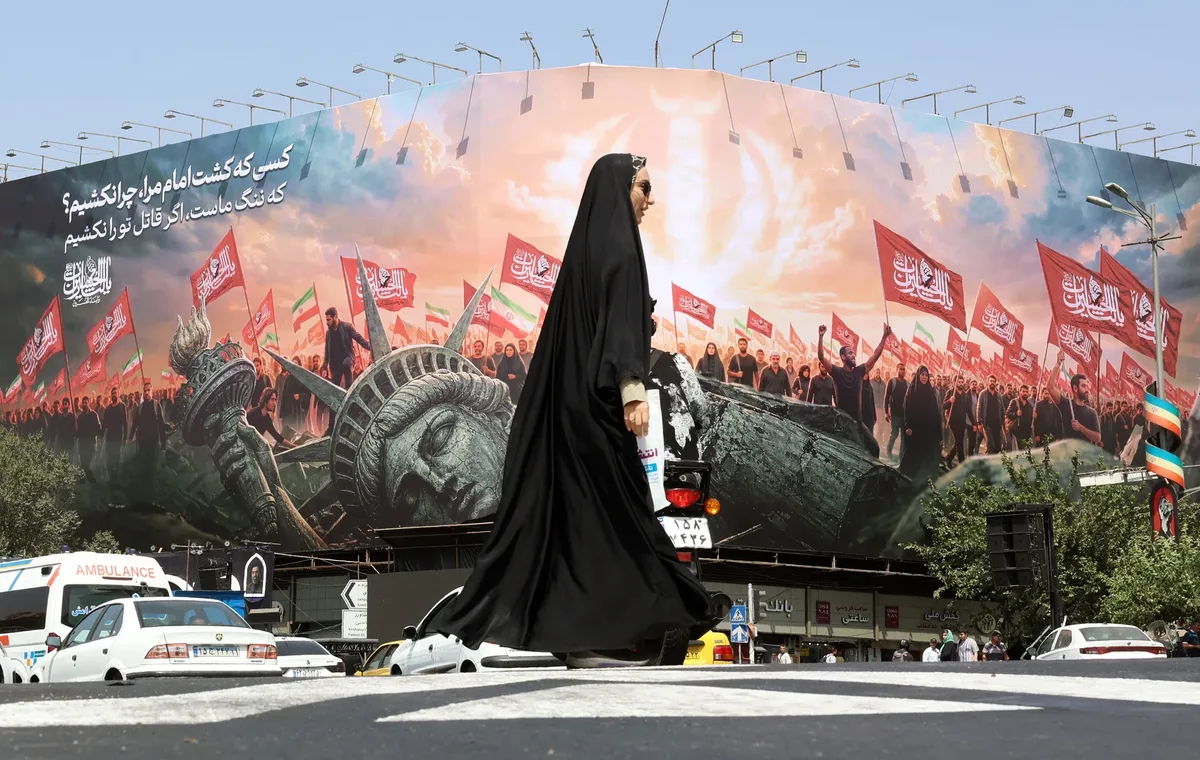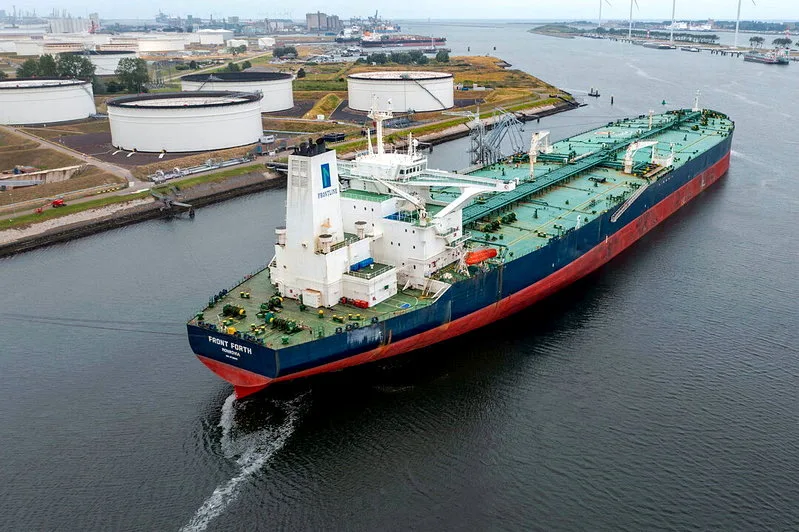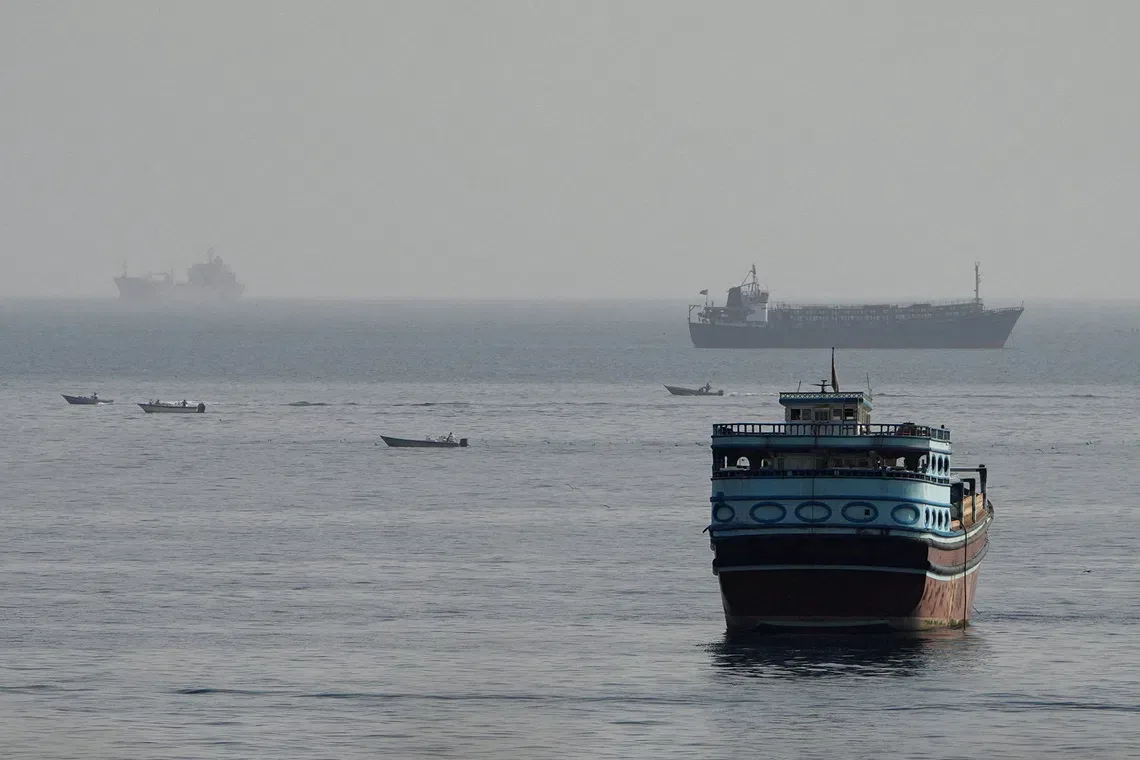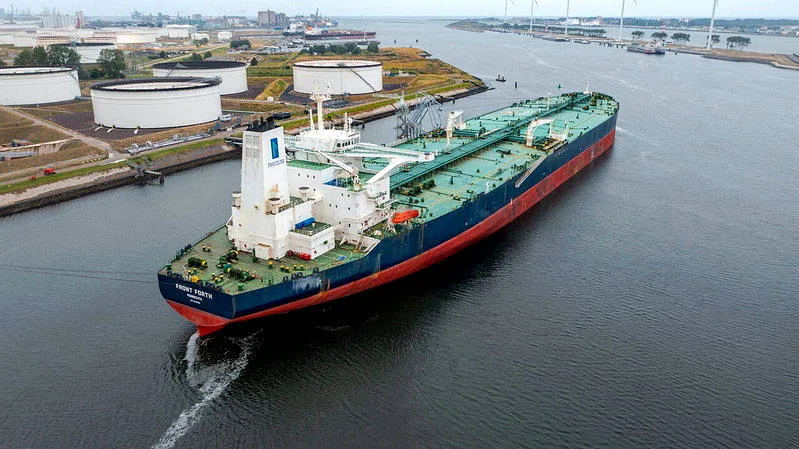
Iran has adopted a strategy of calibrated escalation in the Middle East by threatening trade routes, shipping lanes, and energy infrastructure to pressure the United States and its allies over control of the Strait of Hormuz, a critical chokepoint for global oil trade [1, 2, 3, 4, 5, 6, 7]. The Strait previously handled about 20% of global oil consumption, transporting up to 20 million barrels of oil per day [1, 5, 6, 7].
Iran’s approach avoids full-scale war but seeks to widen the conflict gradually to raise the costs for the US and regional states. Iranian commanders believe they can extract more concessions by escalating pressure while exploiting Washington’s reluctance to deepen its Middle East involvement ahead of the November 2026 US midterm elections [1, 2, 5, 6, 7].
Michael Knights of the Washington Institute explained, "Iran, from the beginning, has tried to out-escalate the United States by stretching out its escalation options so that it always has something new to bring every week—a new geography, a new type of weapon, a new type of target. Their big advantage is that they can hurt the regional states and the global economy" [1].
Iran signals that no maritime chokepoint is off limits, extending threats beyond the Strait of Hormuz into the Red Sea, Bab al-Mandeb strait, and Saudi energy infrastructure [1, 2, 3, 5, 6, 7]. Its calibrated escalation includes introducing new conflict areas, weapon types, and targets almost weekly to maintain pressure unpredictably and continuously [1, 2, 3, 5, 7].
Iran aims to convince Washington that containing the crisis is costlier than agreeing to Iran’s demands for a larger role in Strait governance. The core dispute centers on control of the Strait: Oman has proposed a Gulf-backed voluntary user-fee system for managing shipping, but Iran insists on administrative control and the right to charge fees, which the US opposes [6, 7].
Alan Eyre, a former US diplomat, noted, "Iran's real goal is not to blockade the Strait but to establish deterrence by demonstrating disruption capability, forcing the US to lift blockades and stop military attacks while avoiding handing crisis control fully to Washington" [2].
Iran denies currently holding direct negotiations with the US, despite claims by US President Donald Trump that talks restarted on August 3. Trump called August 2 the last chance for a deal and canceled a planned military strike [6, 7]. Ray Takeyh, a Council on Foreign Relations researcher, commented, "If negotiations happen, Iran will define the conditions. Both sides currently respond to escalation with escalation" [6].
In response, regional states like Saudi Arabia have established new maritime security cooperation focused on escorting commercial ships, intelligence sharing, and maintaining shipping safety to protect trade routes without engaging in direct military confrontation with Iran [2, 3, 6].
The situation remains tense as Iranian Revolutionary Guards commanders reportedly anticipate a prolonged war of attrition, believing Iran can endure sanctions and disruption longer than the US and its allies can tolerate impacts to global trade and energy markets [2, 3, 6, 7].