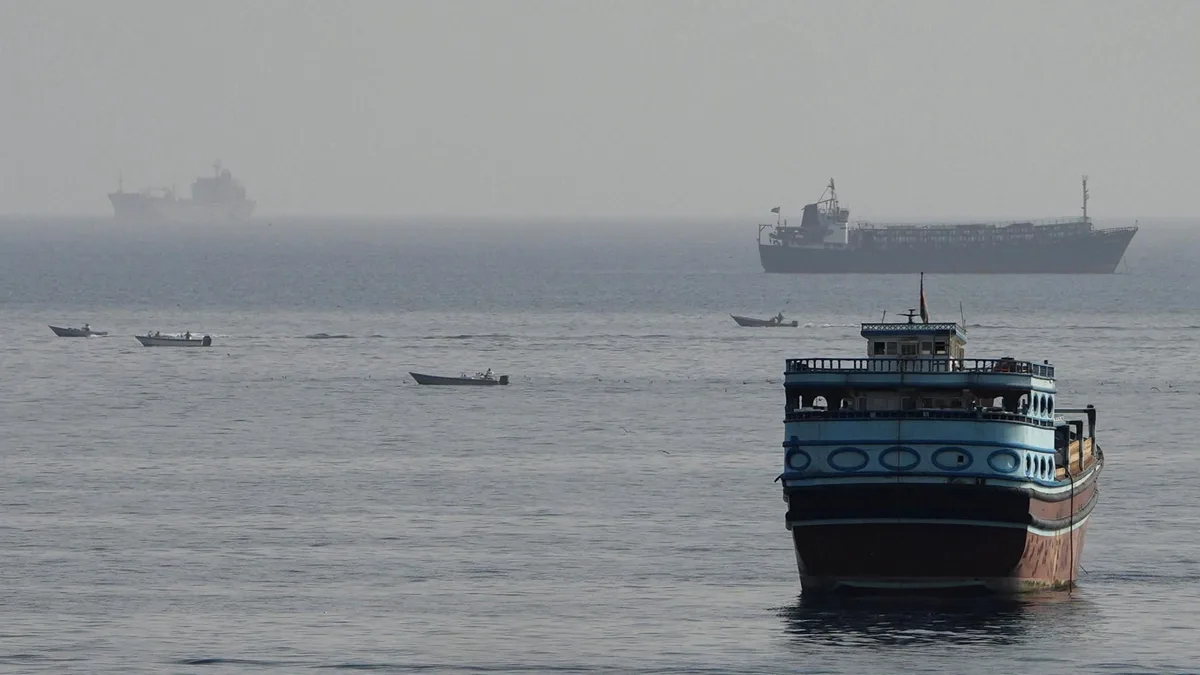
Iran and Oman have agreed on the geographical coordinates of a new shipping route through the Strait of Hormuz and are finalizing arrangements for joint management, Iranian officials said on August 5 [1, 2]. The new route, described as a temporary middle corridor, separates from the established northern and southern passages to respect the sovereign rights and security interests of both countries [3, 4, 5].
Iranian foreign ministry spokesman Esmaeil Baqaei said, "The geographical coordinates of the route envisaged by the two sides have been agreed upon and, if certain third parties do not obstruct the process, the joint statement... is also in the final review and drafting stage" [1]. He added the corridor will be used temporarily until a fixed route is decided, calling it "a round trip route" [4].
Despite the agreement, Iran warned that the Strait of Hormuz remains insecure due to the US naval blockade and other aggressive actions against Iran [6]. Baqaei said, "The factors making the Strait of Hormuz insecure still exist on the part of the United States, particularly the naval blockade and other aggressive and threatening actions against Iran and its interests" [6].
The 34-kilometer-wide strait has been largely closed to most commercial shipping since late February following the outbreak of war involving the US, Israel, and Iran [6, 3, 1]. About 20% of global oil and liquefied natural gas passed through the strait before the conflict [6, 3, 5, 1].
Iran demands control over inbound shipping traffic and oversight or joint control of outbound traffic coordinated with Oman, though the exact details remain unresolved [7, 8, 9, 2]. A Gulf source warned that Iran would retaliate with strikes on critical Gulf energy facilities if the US targets Iranian infrastructure again [8].
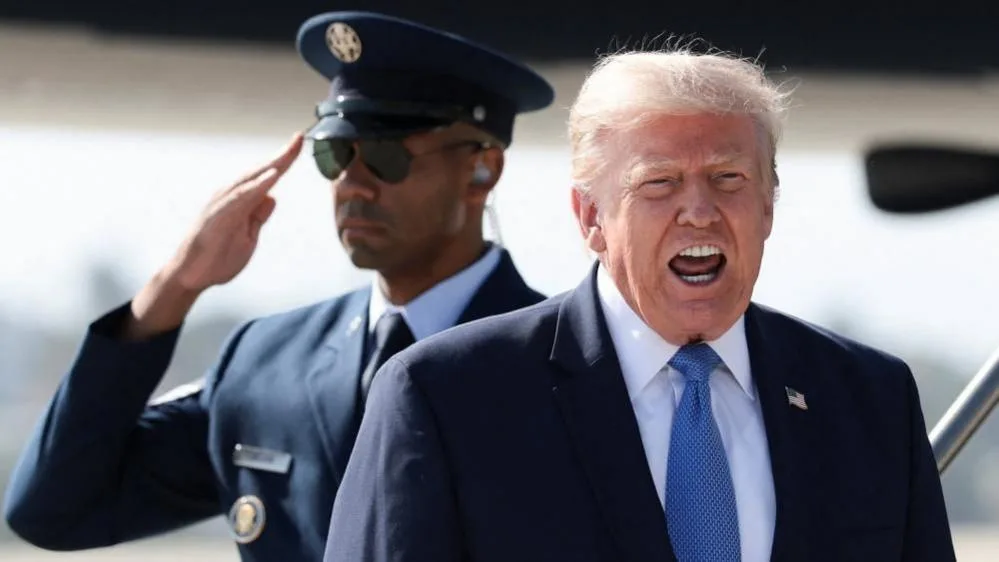
US President Donald Trump said talks with Iran were progressing well and predicted the Strait of Hormuz would reopen soon. He said, "They had an all-day negotiation. The Strait of Hormuz is going to be open very soon. If they back out again, they are going to get hit really hard" [10]. Trump also said, "We're having very good discussions, they don’t like to admit that. If they don't make a deal, it’s going to be too bad" [11].
Iran denies direct negotiations with the US and says the deal with Oman does not guarantee reopening without changes in US actions [6, 3, 4, 5]. Oman has not publicly commented on the agreement details [3, 12, 5].
Mediation efforts involve Qatar, Pakistan, and Oman facilitating talks between Washington and Tehran [12, 11, 10]. Qatar's foreign ministry said "diplomatic contacts had reached very progressive stages" [12].
Reports surfaced of a cargo vessel struck by an unidentified projectile off Oman's coast amid rising tensions [12].
The Iran-Oman deal might include no tolls or fees on shipping for an initial 60-day period [11, 12].
The next step includes finalizing official joint statements and monitoring whether external parties, notably the US, allow unobstructed use of the route. A formal reopening of the strait depends on final negotiations and US policy shifts [1, 2].