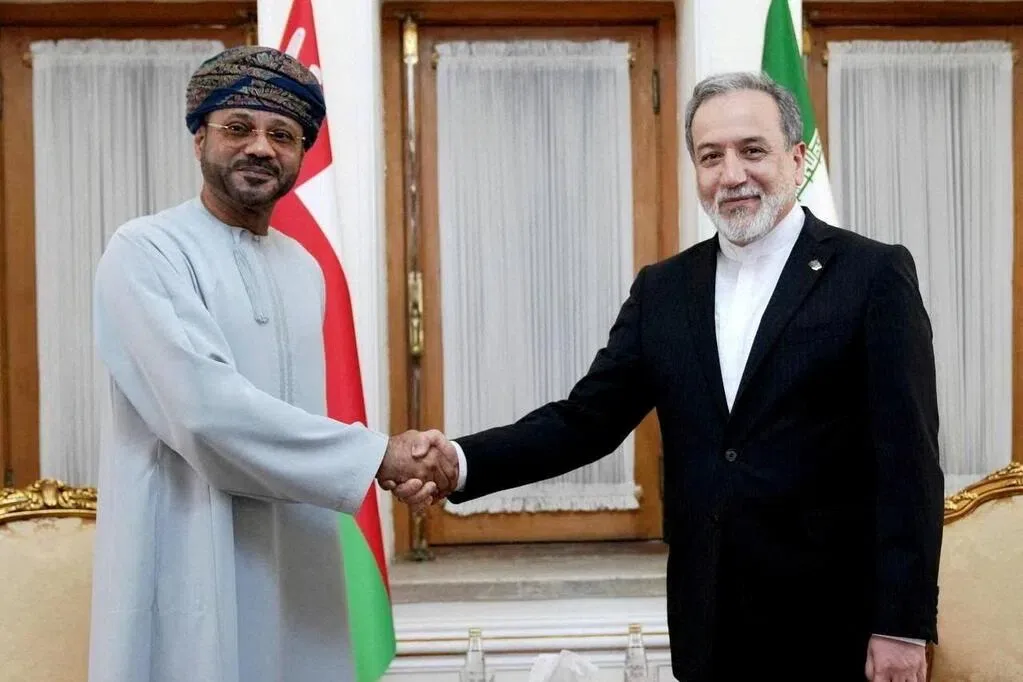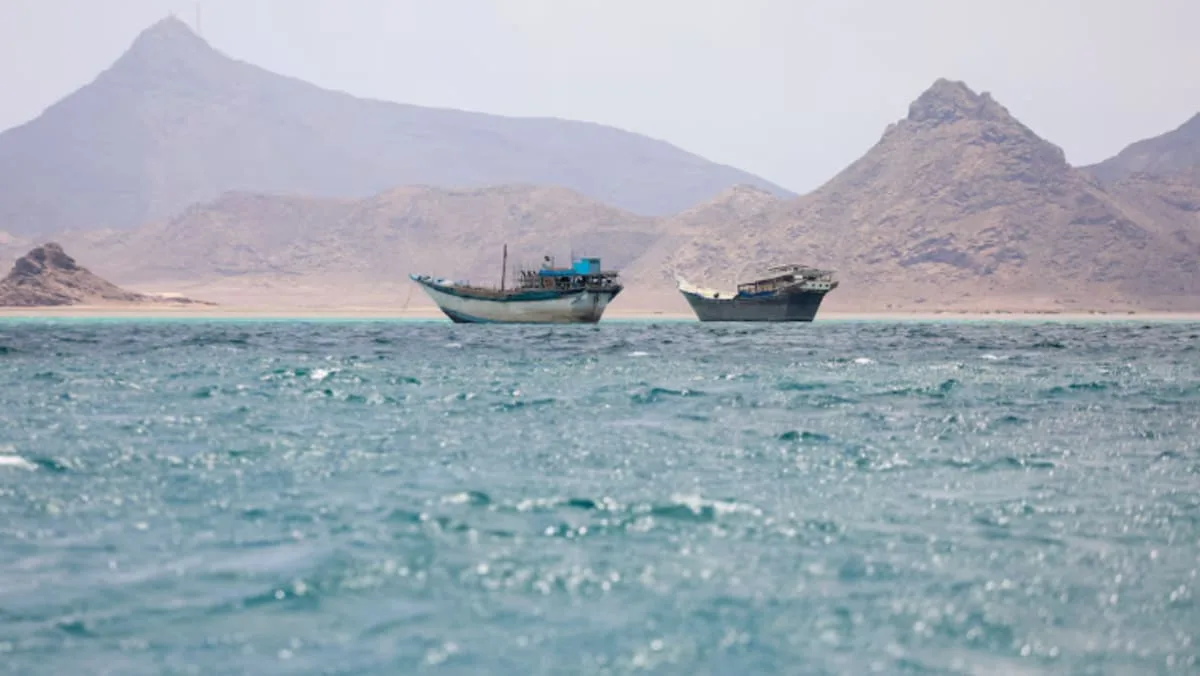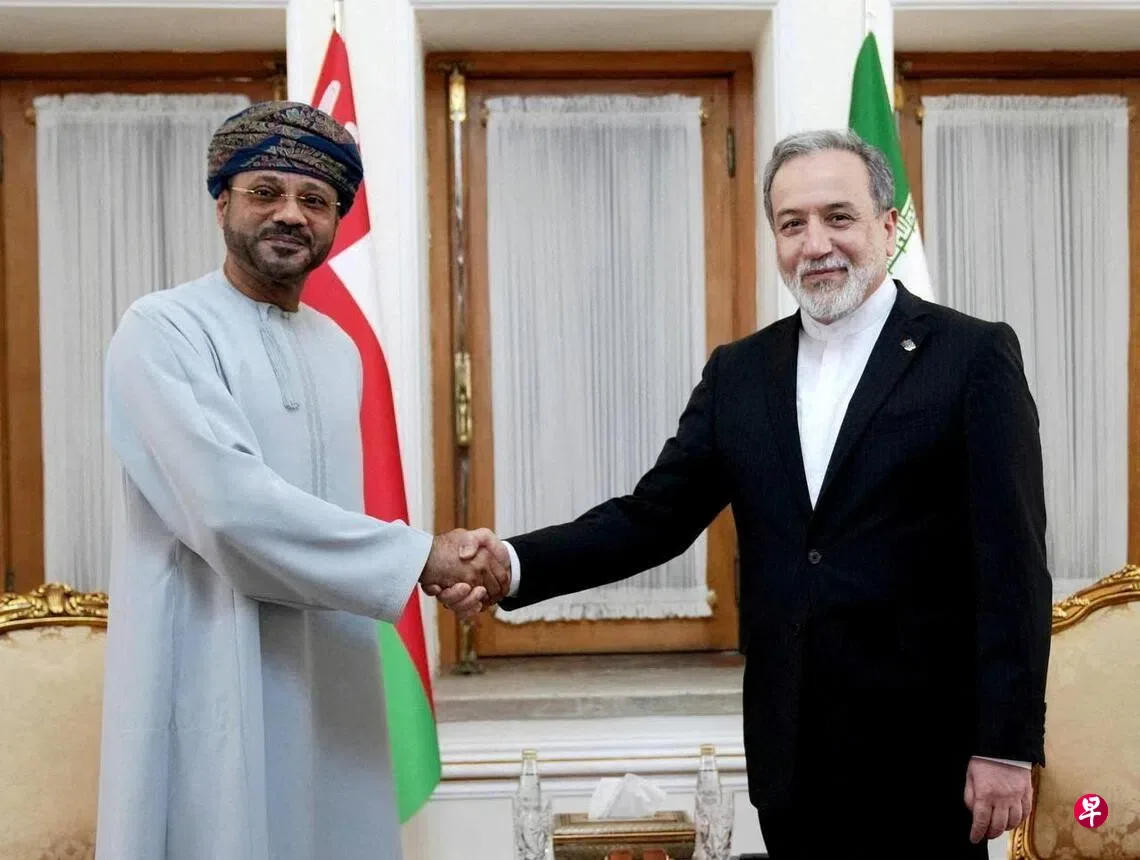
Iran and Oman held talks on August 25, 2026, in Tehran to discuss a framework for creating a temporary joint shipping corridor and conducting joint mine clearance in the Strait of Hormuz, a major global energy chokepoint [1, 2, 3, 4, 5, 6, 7]. The proposed corridor would have inbound commercial shipping routes running through Iranian waters and outbound routes passing through both Omani and Iranian waters. Military vessels would be banned from the corridor, allowing only commercial ships to pass [1, 8].
Iran’s deputy foreign minister Kazem Gharibabadi said Iran’s conditions for reopening the Strait require a full end to all regional conflicts, including on the Lebanon front, the lifting of blockades, resolving the Yemen conflict, and full US compliance with previous agreements. He stated, "If Iran's demands and conditions are not met, the Strait of Hormuz will remain closed." [1, 8, 5].
Iran and Oman have also reached agreements on the sharing of income and rights related to the Strait, but Iranian Revolutionary Guard spokesperson Hossein Mohebbi said the deal’s finalization is stalled by US objections [9, 10]. The conflict between Iran and the US, which erupted on February 28, 2026, led to Iran nearly closing the Strait, disrupting about one-fifth of global oil and LNG supplies transported through it [9, 4, 10, 11, 5, 7].
On the same day as the talks, US President Donald Trump announced that all naval mines in the international waters of the Strait have been cleared or detonated. Trump warned that the US has zero tolerance for new mines being laid and said any vessel trying to deploy mines would be destroyed immediately [1, 3, 4, 8, 5]. Iran rejected the US claims, calling them propaganda lies, and warned it would attack US mine-clearing vessels entering the Strait [1, 8].
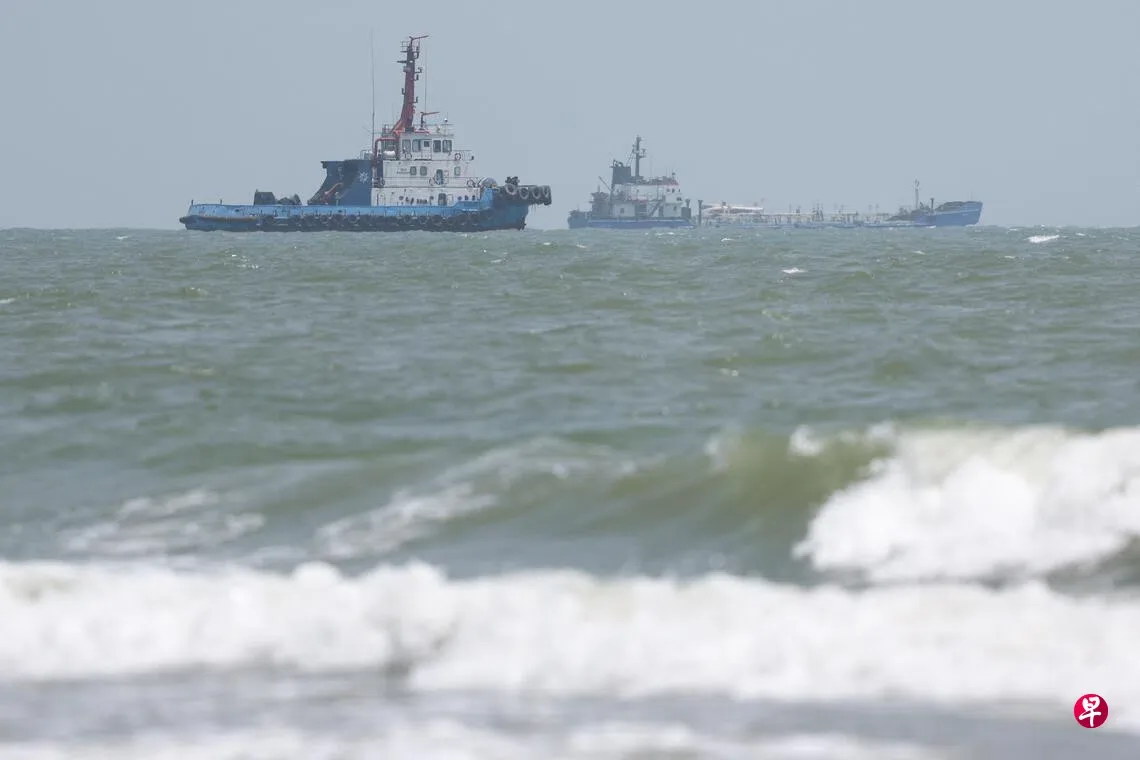
Security remains fragile. On August 25, a commercial tanker near the Strait’s entrance off Oman's coast was struck by an unknown object and lost propulsion, highlighting ongoing risks in the area [11, 5, 6, 7].
Oman’s Foreign Minister Badr Albusaidi said he hopes the involved countries will soon announce the opening of the temporary corridor and that plans for the Strait’s future management and permanent solutions will be issued at an appropriate time [2]. Iran and Oman plan to continue technical negotiations over the next 30 to 60 days to establish a permanent shipping route and a long-term management framework for the Strait [1, 2, 3, 4, 5].