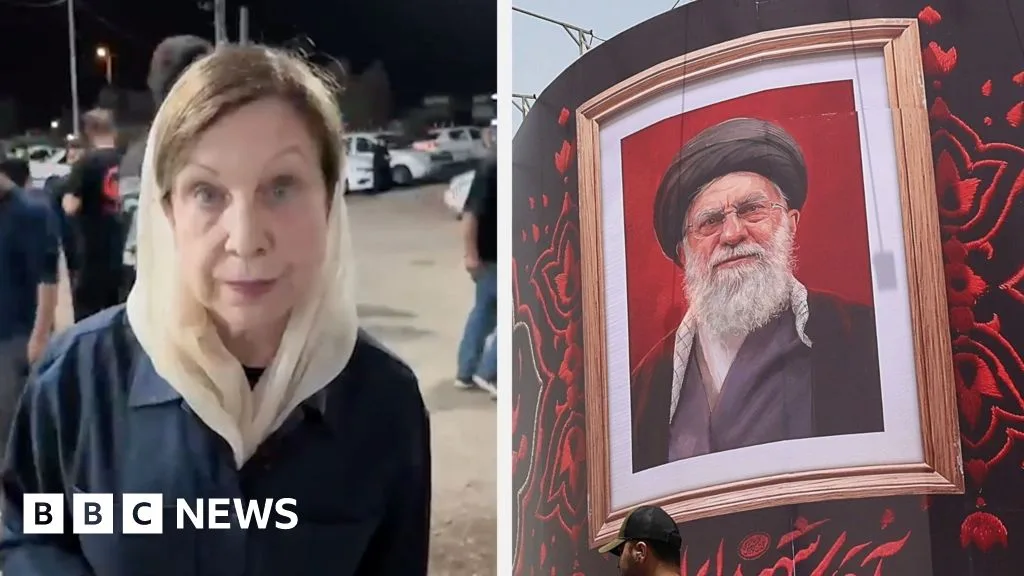
Ayatollah Ali Khamenei, Iran's former supreme leader, was killed in joint US-Israeli airstrikes on February 28, 2026, the first day of the war [1, 2, 3, 4]. At 86 years old, Khamenei’s death marked a major event in Iranian politics [3, 4, 5].
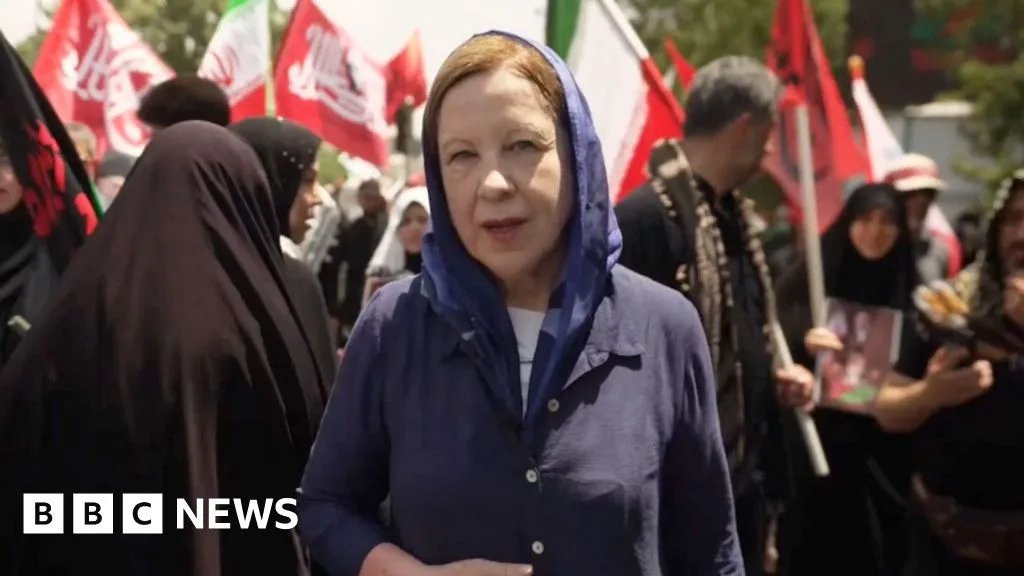
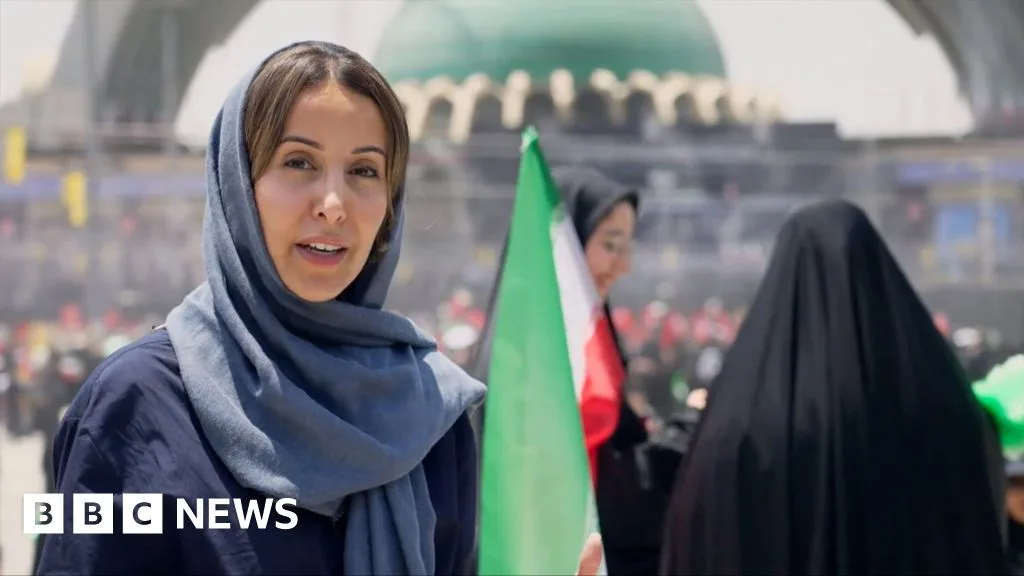
Funeral ceremonies lasted six days from July 4 to July 9, 2026, with events held across Tehran, Mashhad, Qom, and Shiite holy cities in Iraq including Karbala and Najaf [2, 3, 6, 4, 5, 7, 8, 9, 10]. Khamenei’s body lay in state at the Grand Mosalla complex in Tehran before his burial in Mashhad, his hometown, on July 9 [1, 3, 4, 7, 8, 9, 10].
Iranian authorities expected 15 to 20 million mourners in Tehran alone, making it the largest state funeral in Iranian history [3, 4, 7, 8]. Large processions moved through Tehran streets, and later through Qom and Iraqi cities, with crowds chanting calls for vengeance against the United States and Israel [2, 3, 4, 5, 7, 8, 10]. Mohammad Bagher Ghalibaf called on Iranians “to write a glorious page in the history of Islamic Iran” and make sure “the nation's call for vengeance must ring in the ears of the whole world” [4].
Funeral events featured strong political messaging and displays of Iranian national and religious symbols [2, 6, 4, 5, 7, 11, 10]. Ali Abdollahi warned enemies, especially the US and Israel, about harsh retaliation for any aggression against Iran [6].
Security was heightened with temporary road closures and partial airspace restrictions in key cities during the ceremonies to prevent attacks and maintain order [6, 4, 7, 9]. Foreign dignitaries from about 30 countries, mainly regional and allied states, were expected to attend, though European nations were not officially invited [3].
Khamenei’s son and successor, Mojtaba Khamenei, allegedly wounded in the strike that killed his father, did not appear publicly during the entire funeral period [5, 8, 9, 10].
The ceremonies began with preparations and venue set-up at Tehran’s Grand Mosalla starting June 30, followed by a foreign heads of state event on July 3. The funeral opened July 4 with the body lying in state, featured major processions July 6, and concluded with burial July 9 in Mashhad after processions through Qom and Iraqi holy cities [2, 3, 4, 7, 8, 11, 9, 10].