An Iran-linked hacker group called Handala claims to have breached FBI first-person view (FPV) drones and accessed images and suspect data from them for months, according to reports from June 2026 [1, 2]. The FBI drones allegedly use facial recognition and license plate screening technology for counterterrorism operations, raising concerns over privacy and security [1, 2].
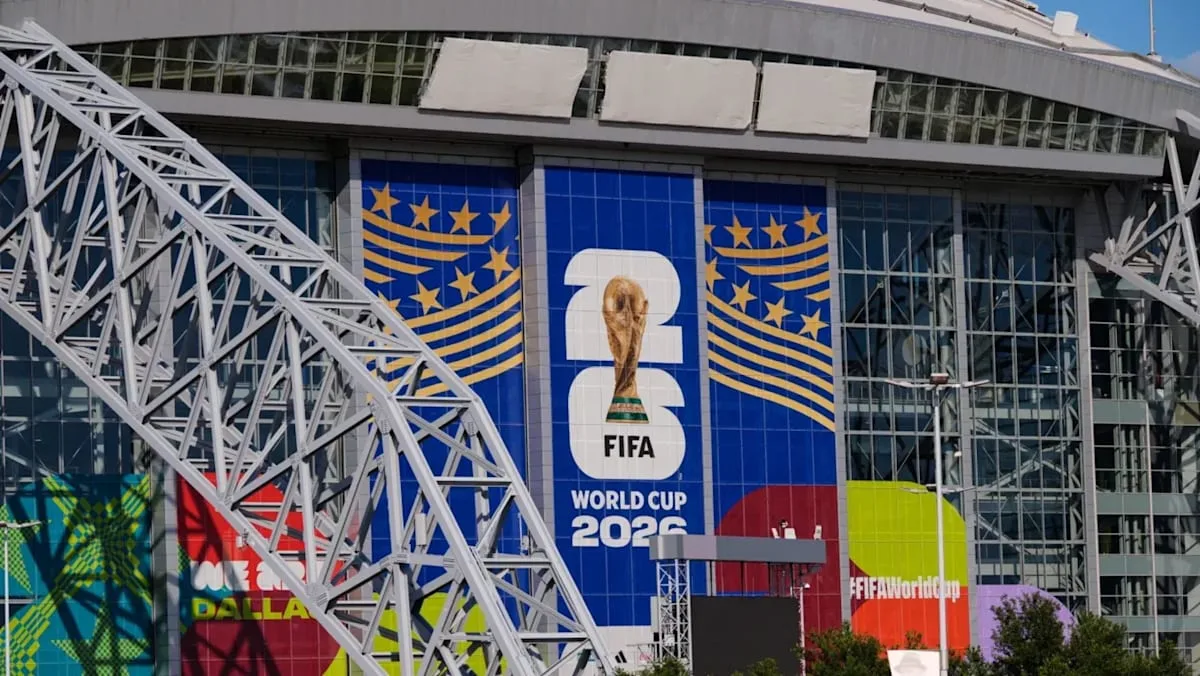
Handala threatened to disrupt the 2026 FIFA World Cup, urging organizers to "better tighten your World Cup security" and warning that drones could appear near teams and venues at any time. The group's message said, "FPVs are everywhere; you never know when one might end up right in your team's bus" [2]. The World Cup began in early June 2026 across the US, Mexico, and Canada.
In response, the FBI has deployed drones around stadiums and banned unauthorized drone flights over fan zones and match venues to prevent potential drone intrusions during the tournament [2]. Local and state police have received training on countering unauthorized drone activity, funded by a $500 million federal grant aimed at securing the event [2].
The US Justice Department has warned of increased cyberattack risks from Iranian actors following earlier US-Israeli strikes in Tehran during 2026 [2]. The State Department has also offered a $10 million reward for information identifying members of Handala, underscoring the priority placed on disrupting the group [2].
However, SITE Intelligence Group has disputed some of Handala's evidence, noting that certain videos released as purported hacked FBI drone footage are actually unrelated US police software promotions [1, 2]. Handala's past claims include hacking FBI Director Kash Patel's email and publishing his personal photos in March 2026, though that claim has medium confidence [2].
The FBI and US authorities are continuing efforts to secure the 2026 World Cup by countering drone threats and monitoring cyber activities linked to Handala. Security measures remain in place at venues through the tournament's duration [2].