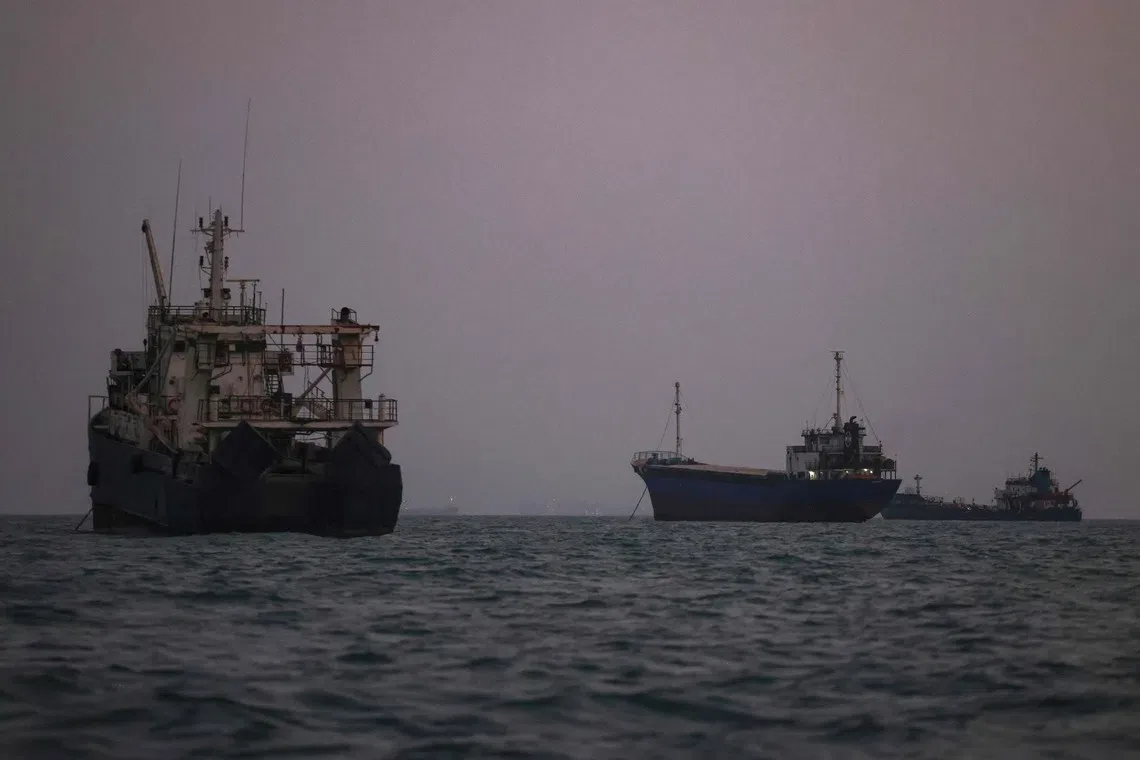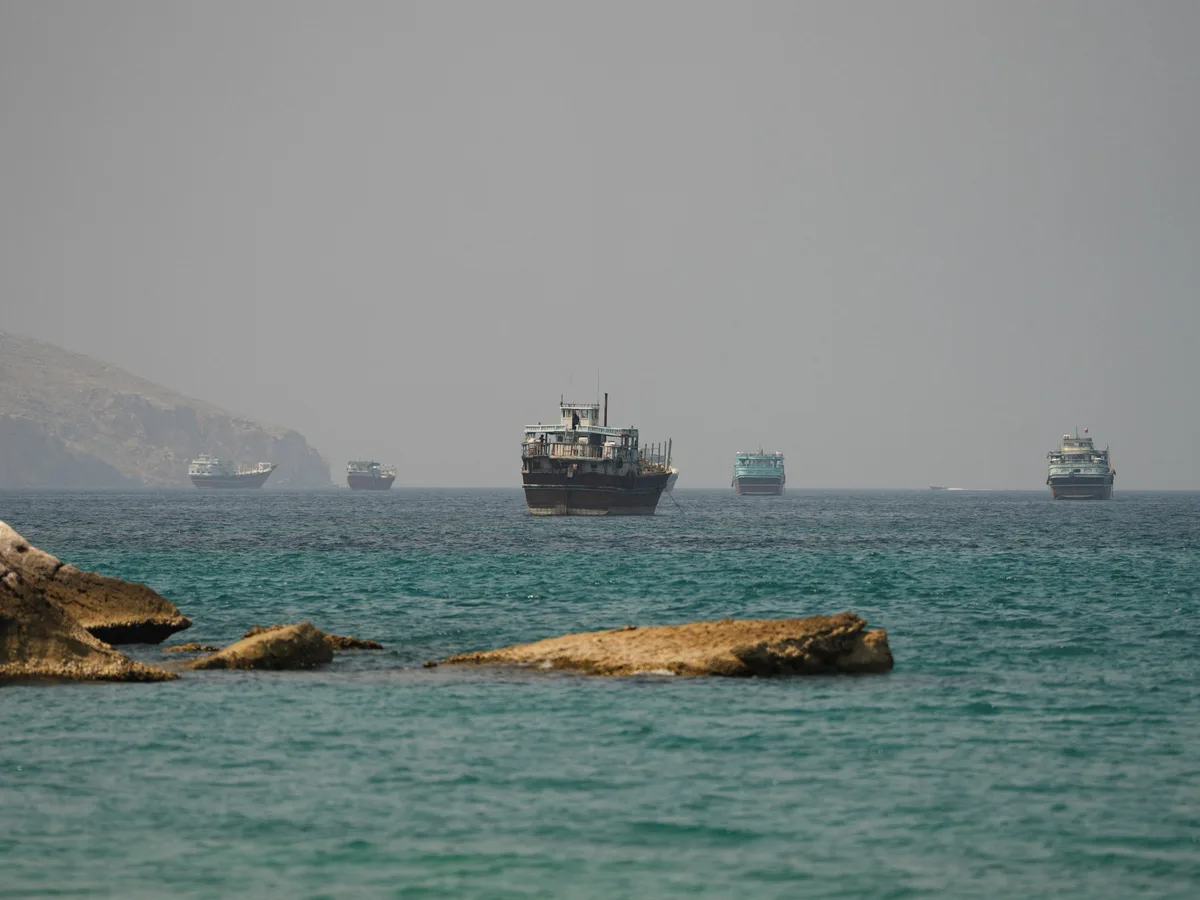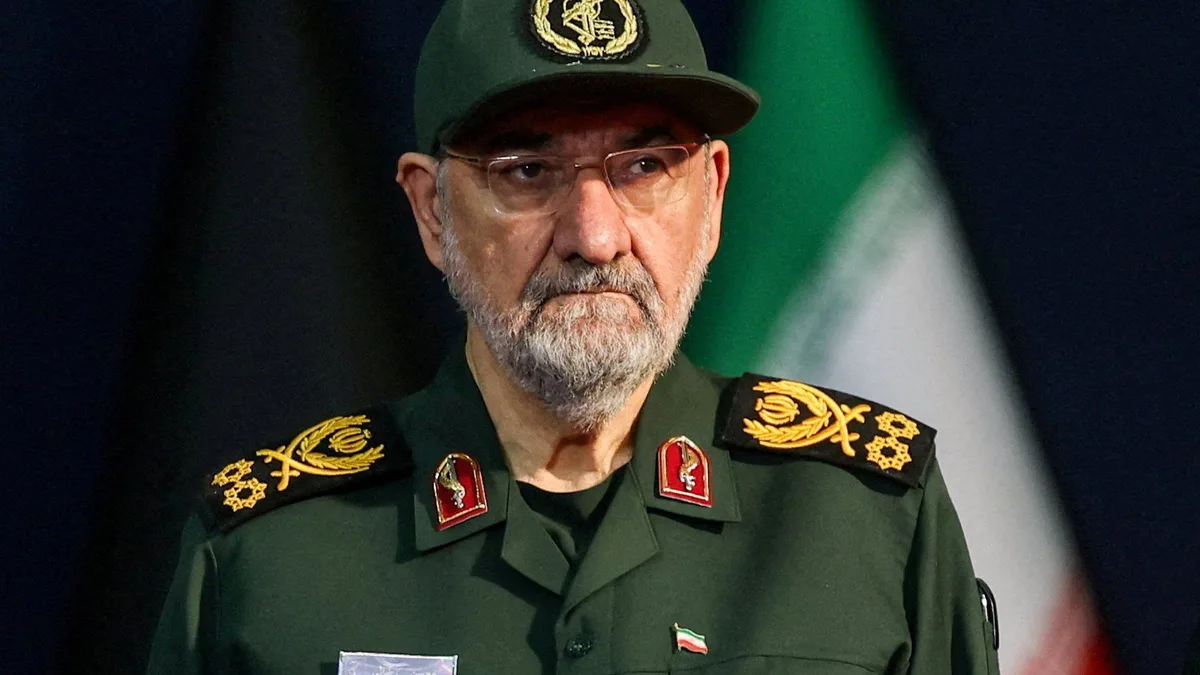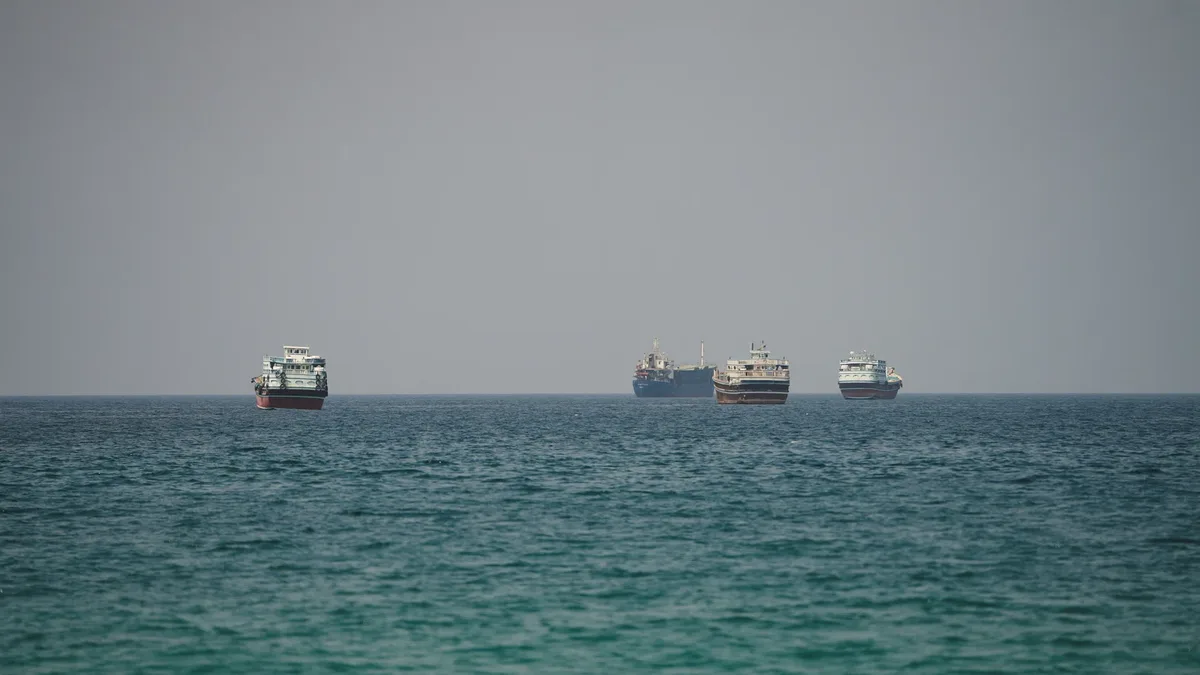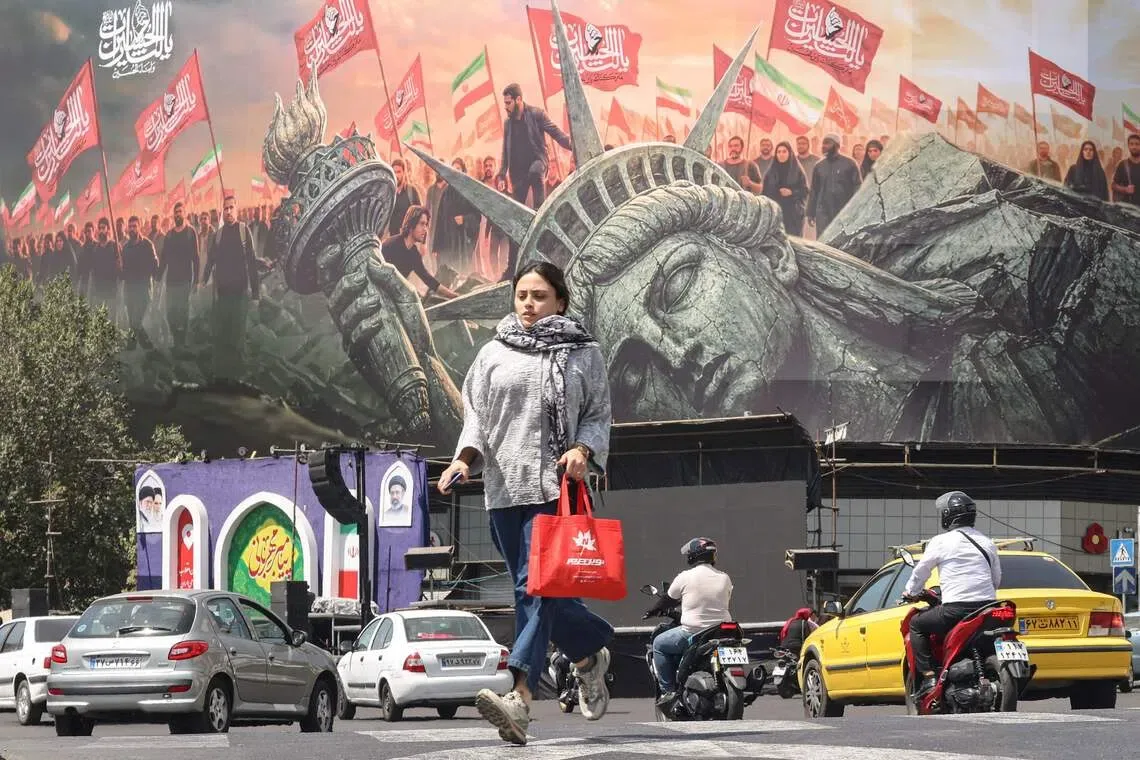
Iran announced plans to create a new restricted or prohibited maritime zone outside the Strait of Hormuz in the coming days, starting from the US Navy blockade line and extending into parts of the Persian Gulf. Any ship entering this zone will be added to Iran’s sanctions list, according to Mohsen Rezaei, secretary of Iran’s Supreme National Security Council, who said, "In the coming days, a prohibited zone will be announced outside the Strait of Hormuz... Any ship entering this new zone will be placed on the sanctions list." [1]
The announcement follows escalating US-Iran tensions characterized by US strikes on three Iranian oil tankers on September 5-6, launched in retaliation for ballistic missile attacks on US Navy vessels. The Iranian Revolutionary Guards reported targeting six vessels, including three oil tankers using unauthorized routes and several US vessels near the Strait of Hormuz. [1, 2, 3, 4]
Iranian Parliament Speaker Mohammad Bagher Ghalibaf warned of harsher responses to future US attacks. He stated, "The era of proportionate responses has come to an end. Any aggression against Iran’s interests and security will receive a faster, more intense and more painful response." [1, 5]
Mohsen Rezaei also confirmed that Iran and Oman are close to signing an agreement on a new shipping corridor through the Strait of Hormuz. This corridor would have entry and exit points controlled by Iran, further strengthening its control over the vital waterway. [6, 5]
Iran’s petrol prices for heavy consumers will double from 5,000 to 10,000 tomans per litre, effective September 8, while prices for other categories remain unchanged. Government spokeswoman Fatemeh Mohajerani said, "The rate will increase to 10,000 toman rials from the morning of September 8... because the president had promised the people, the rate of 10,000 tomans was set." [7, 8]
Amid the tensions, Iran’s rial weakened sharply, trading at more than 2.2 million rials per US dollar on September 6, down from around 1.7 million before the conflict began in February 2026. [7]
The US naval blockade off Iran involves more than 20 US vessels and has forced 92 merchant ships to reroute, with three vessels disabled. [9, 10]
Rezaei claimed Iran successfully tested a new anti-ship missile over a US Navy vessel within 48 hours before September 7, calling it a demonstration of Iran’s military capabilities. He also denied that US sanctions are causing famine in Iran, calling such claims "a big lie" and asserting the government has sufficient food stocks. [6]
Oil prices rose sharply on September 6-7 amid the heightened tensions after the US strikes on Iranian tankers and Iran’s restricted zone announcement. [2, 3, 4]
Iran’s restricted maritime zone declaration and the shipping corridor agreement with Oman are expected imminently, signaling further steps in controlling maritime traffic near the Strait of Hormuz. [6, 5, 10]