Iran warned Gulf states that any new U.S. attack on its territory would prompt retaliation targeting energy and strategic infrastructure across the region [1, 2, 3, 4, 5]. The warning was issued through high-level diplomatic channels after U.S. President Donald Trump threatened on July 28 to strike Iran's energy network and infrastructure [1, 2, 3, 4, 5].
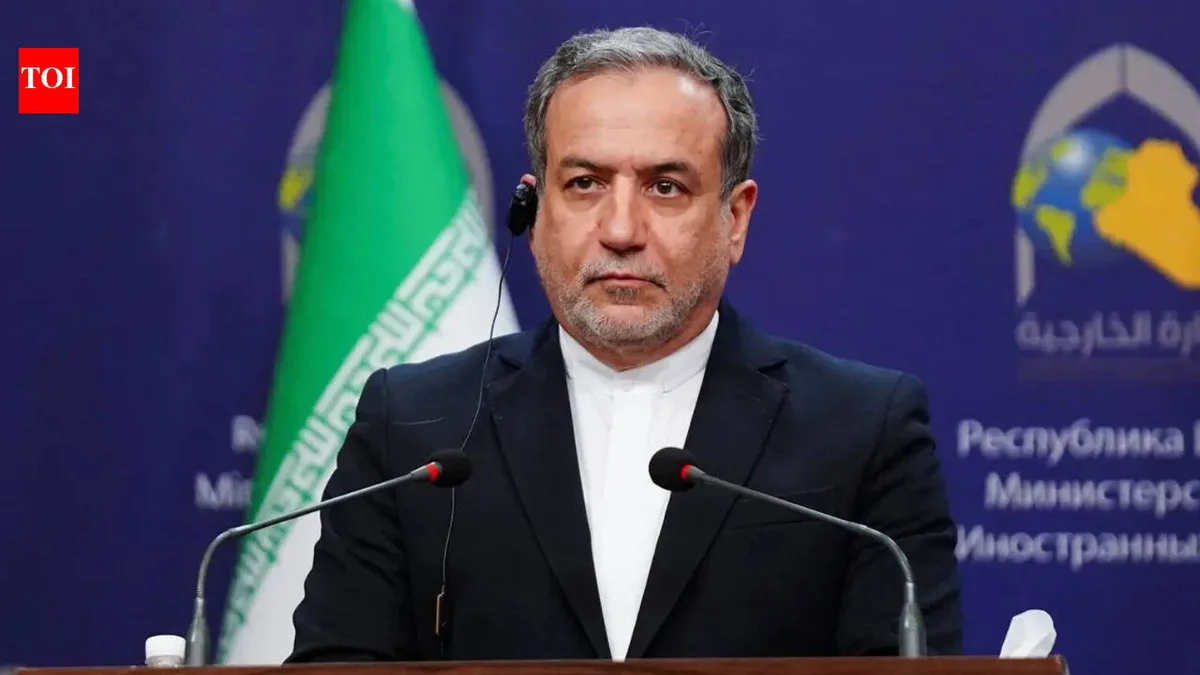
Iranian Foreign Minister Abbas Araqchi contacted Saudi, Turkish, and Qatari officials, as well as Pakistan’s army chief, urging them to influence Trump to avoid military strikes [1, 2, 3, 4, 5]. The Iranian warning threatened to retaliate by striking Gulf states’ oil facilities, power and water plants, refineries, electricity grids, transport networks, and other strategic assets [3, 5].
Saudi Crown Prince Mohammed bin Salman spoke with Trump, urging a delay of military action and calling instead for negotiations and a ceasefire [1, 2, 3]. The message was primarily conveyed through Saudi Arabia and Qatar but was intended for all Gulf states [1, 2, 3]. Qatar, Oman, and Saudi Arabia have all urged Washington to resume talks with Tehran to prevent further conflict [1, 2].
A senior regional diplomat said, “We’re ready to retaliate, but finding a diplomatic solution is the best way to avoid wider escalation and destruction across the region” [1, 5]. A Gulf source described the warning as “unequivocal: if America targeted Iran’s infrastructure, they would retaliate by striking Gulf energy facilities and other regional targets” [1]. The senior diplomat added, “His message was consistent in every conversation” [1].
Iran seeks to use the threat of wider regional destruction as leverage against further U.S. strikes, putting Gulf states hosting U.S. military bases in a difficult position [1, 2]. After August 5, Saudi Crown Prince Mohammed bin Salman urged President Trump to delay any strikes and explore diplomacy [1, 2, 3]. The ongoing talks and diplomatic contacts continue amid these heightened tensions.