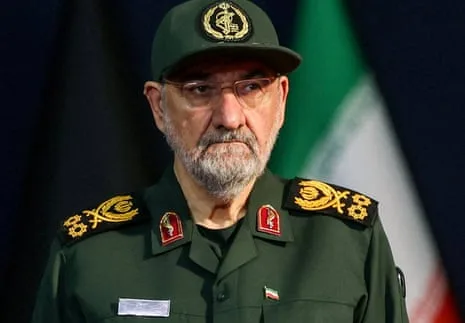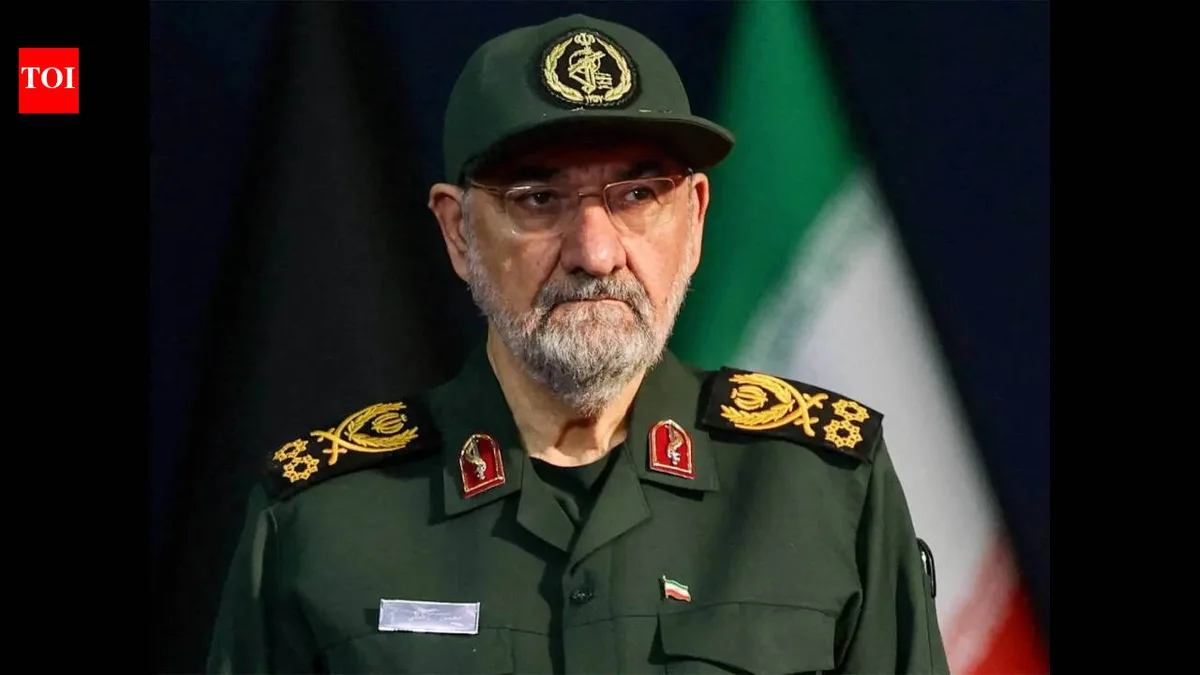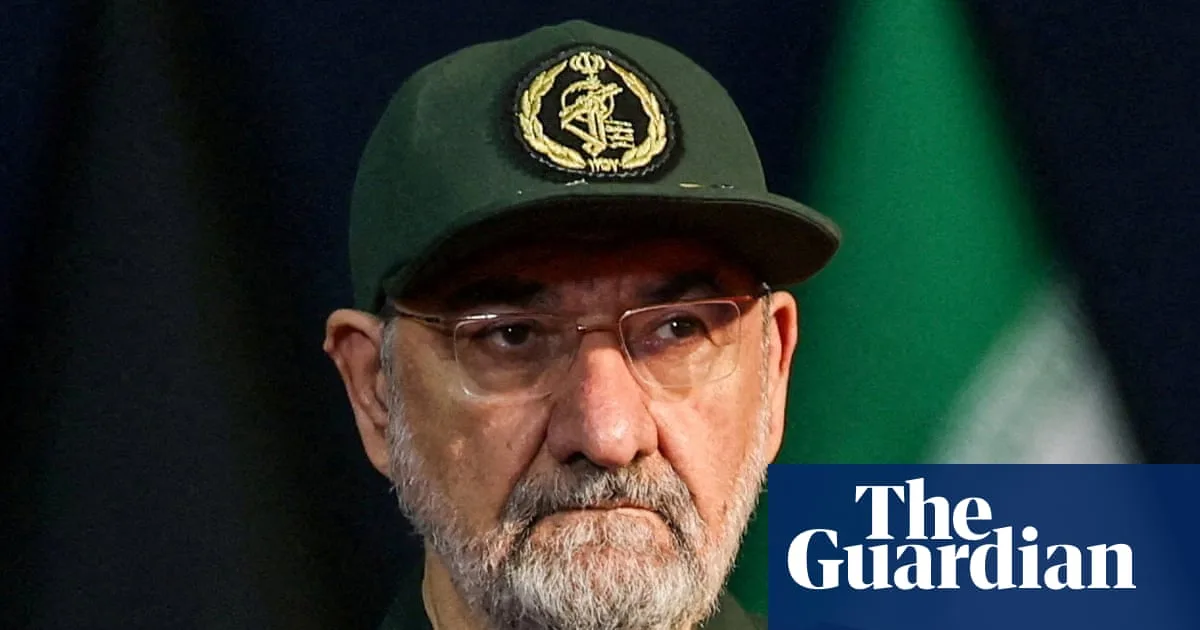
Mohsen Rezaei, newly appointed head of Iran's Supreme National Security Council, gave a televised warning on August 22 against neighboring countries cooperating with the United States' economic campaign against Iran. He said such countries "will be considered an enemy" and their interests would be targeted, adding, "We tell all neighboring countries not to participate in the economic war with the US; otherwise, we will consider them an enemy" [1, 2].
Rezaei also threatened to strike alternative oil-shipping routes if these countries aid the US campaign instead of the Strait of Hormuz, which Iran claims remains closed. He said, "If (Trump) wants to do something, we will retaliate in a seismic manner," referring to US President Donald Trump's renewed campaign of maximum economic pressure and isolation on Iran announced earlier this year [1, 2, 3].
Rezaei emphasized that Iran controls more than 50% of the Gulf coastline and believes it should manage the Strait of Hormuz for regional security. "So far, we have only targeted military bases, but if they want to impose economic sanctions on us, the United States has oil and economic companies around Iran and elsewhere, and we will strike them," he said [1, 3].
He also warned the US against sending additional military personnel to the region, accusing Washington of increasing global nuclear insecurity [2].
The warning comes after a ceasefire memorandum signed in June between Iran and the US, brokered by Pakistan and Qatar, stalled over implementation and the navigation status of the Strait of Hormuz. That agreement has since collapsed, leaving Iran in control of the Strait, a critical oil transit chokepoint [1, 3].
One of Iran's major trading partners, the United Arab Emirates, suspended all trade and financial transactions with Tehran from August 18 to 22, signaling strong regional repercussions from the increasing tensions [3]. Meanwhile, Iran facilitated Iraqi oil tankers passing through the Strait amid these disputes, and discussions continue between Egypt and Iran about reviving US-Iran negotiations [2].
France and Saudi Arabia are reportedly set to discuss alternative oil routes, while Israeli airstrikes continued in Syria and Gaza amidst the broader regional conflict [2].
Rezaei's statements mark a sharp escalation in Iran's rhetoric toward neighbors amidst the ongoing US economic pressure campaign. The coming days will show whether regional states heed Iran’s warnings or deepen coordination with Washington.