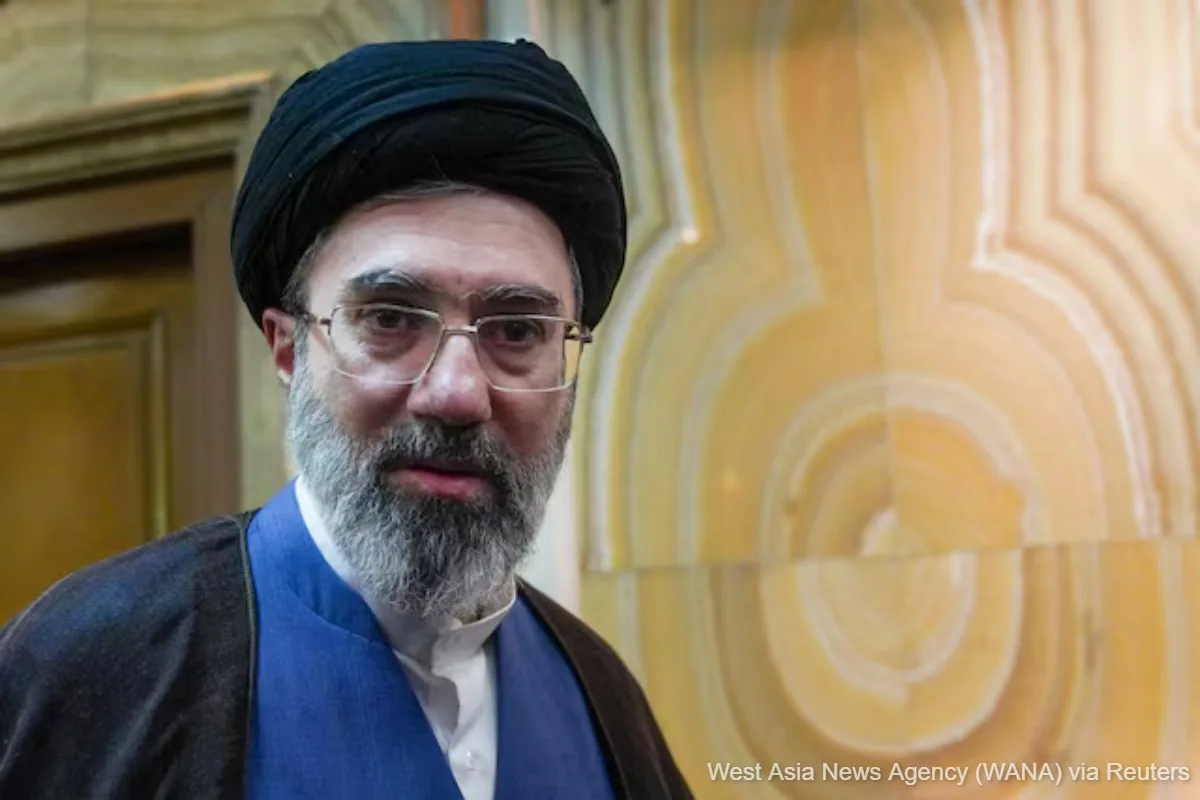
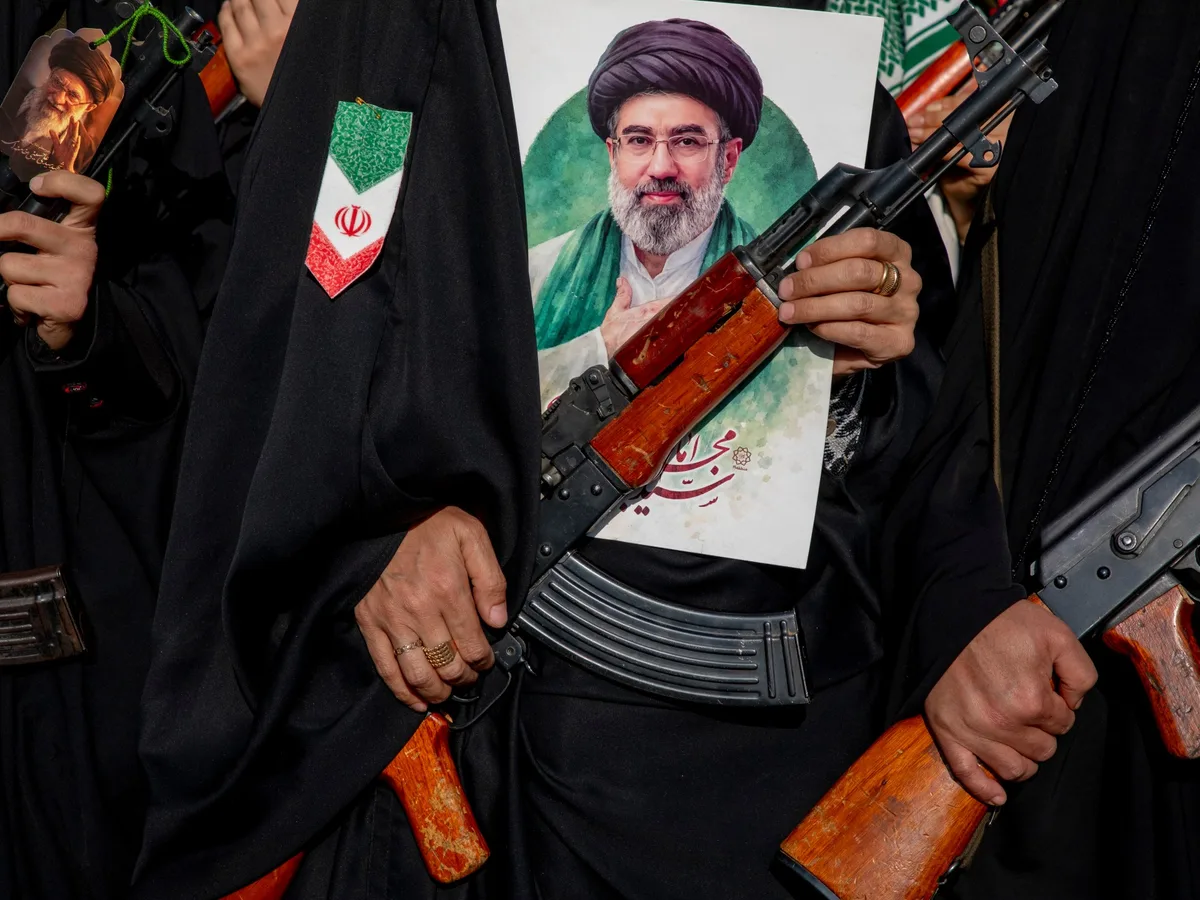
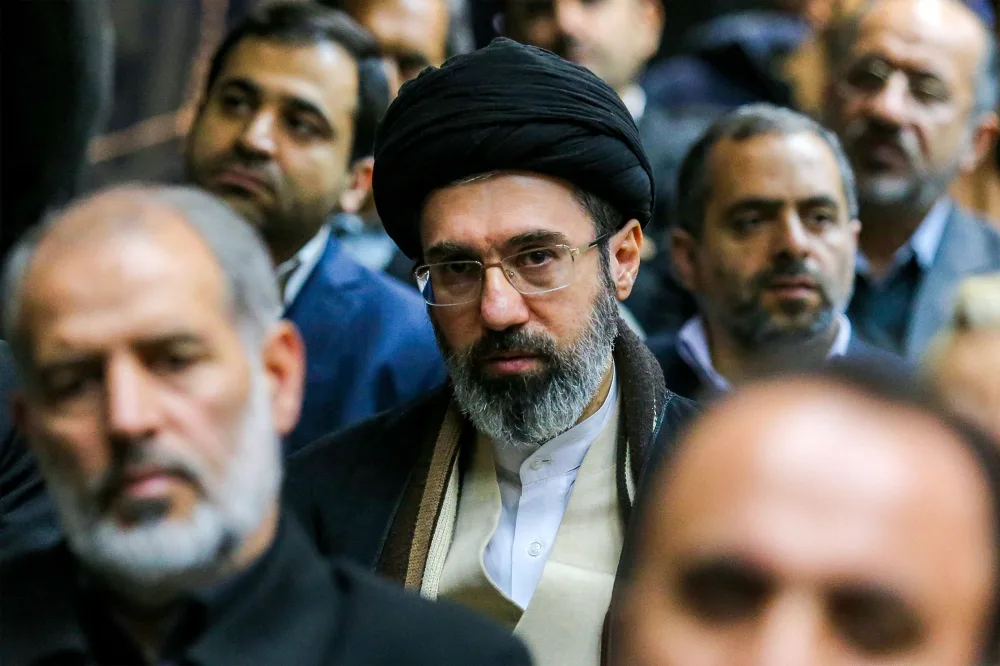
Iran’s Supreme Leader Mojtaba Khamenei issued a written message on August 30 calling on Muslim countries, especially those in the Gulf region, to unite against their "real enemy," identified as the United States and Israel [1, 2, 3]. His message, released during Islamic Unity Week marking the birthday of Prophet Muhammad, urged cooperation in multiple fields and strengthening mutual defense [1, 2, 4]. Khamenei warned that divisions among Muslims serve the interests of their adversaries and rhetorically asked if Palestinians would remain helpless if Muslims had been united [1, 5].
Khamenei also criticized Gulf Arab rulers whom he urged to unite under the flag of Islam against "rogues without identity" coveting their lands and possessions [1, 6]. The Gulf monarchies have long viewed Iran’s revolutionary ideology and influence as a threat since the 1979 Islamic Revolution [1, 5]. He emphasized: "My emphatic and repeated recommendation to the rulers of Islamic countries, especially the countries of West Asia and the Gulf, is to identify your real enemy, understand his plan and confront it" [1]. He called the US and Israel the "sworn enemies" of Islam’s unity [6].
Khamenei has not appeared publicly since being wounded in US-Israeli airstrikes that killed his father, former Supreme Leader Ayatollah Ali Khamenei, on February 28, six months ago, an event that launched the current Iran war [1, 2, 5]. His health remains the subject of speculation, though Iranian President Pezeshkian said he is "completely healthy" [7].
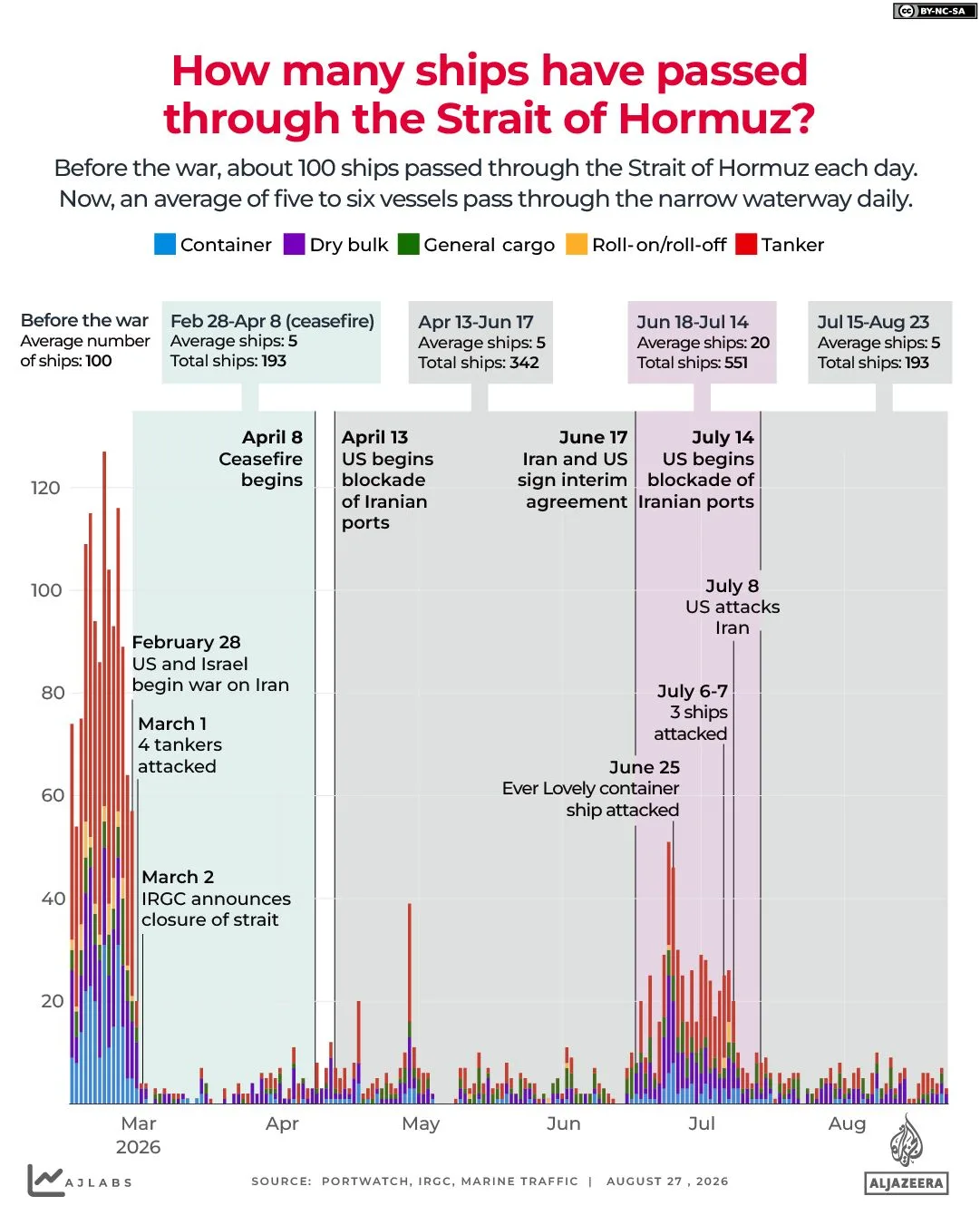
The war and ongoing tensions have increased hostilities in the Gulf. Iran has struck US military targets in Gulf states [1, 8]. Iran and Oman reached an understanding on a temporary maritime route through the Strait of Hormuz, but its activation depends on US commitments under a lapsed agreement [3]. Iranian Deputy Foreign Minister Kazem Gharibabadi stated, "The Strait of Hormuz is closed. Any vessel seeking to cross would have to coordinate with Iran" [3]. Qatar and Pakistan are mediating talks to ease tensions around the strategic waterway [3, 7].
Iran’s leadership has also reshuffled military and intelligence posts, promoting loyalists to consolidate hardline control [8, 9]. National Security Secretary Mohsen Rezaei warned, "If the US continues pressure, Iran will respond in ways that will shake the world; the Persian Gulf will not have a drop of oil exported" [8].
On August 28, Khamenei also banned actions harming social cohesion and urged authorities to avoid statements that weaken national morale [1, 7]. His latest message reiterates a call for Muslim unity to confront external threats and emphasizes cooperation as the solution to Islamic nations’ problems [4].