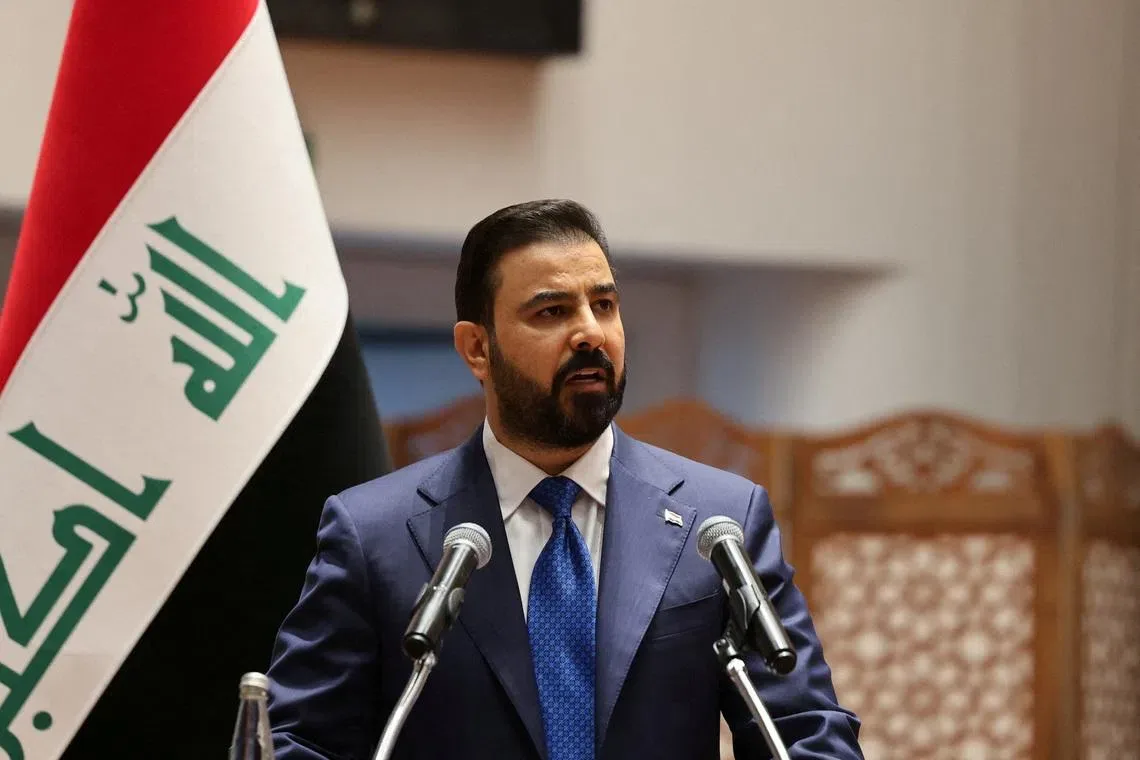
Iraqi Prime Minister Ali al-Zaidi will travel to Washington in mid-July to strengthen economic, trade, and strategic ties with the United States. The visit aims to deepen the Iraqi-U.S. partnership based on mutual interests and expand cooperation with global companies to boost Iraqi investment and economic growth [1, 2].
President Donald Trump will host al-Zaidi at the White House, with special envoy Tom Barrack stating that Trump looks forward to discussing "the future of this important relationship" during the visit [2]. Haider al-Aboudi, an Iraqi government spokesperson, said the trip intends "to enhance the Iraqi-U.S. partnership based on mutual interests" [1].
Al-Zaidi took office in May after his nomination in April and has prioritized rebuilding Iraq’s economy, attracting foreign investment, and fighting entrenched corruption within his administration [1, 2]. Iraq faces multiple challenges, including high youth unemployment, poor infrastructure, the need to reduce dependence on oil revenues, pressure to curb Iran-backed militias, and balancing relations between the US and Iran [1, 2].
Since the Middle East war outbreak, some Iran-backed armed groups have attacked US facilities in Iraq. The conflict led to US strikes on these militias, straining ties between Washington and Baghdad. A ceasefire came into effect on April 8 [2]. The US has recently increased pressure on Baghdad to disarm armed groups operating outside state authority and has pledged to resume financial and security support once Baghdad takes concrete steps to do so [2].
Al-Zaidi has pledged to uphold the Iraqi state’s monopoly on weapons and reiterate the government’s commitment to deepen trade and investment relations with the United States [2]. On June 15, Iran and the US announced a framework agreement to end the Middle East war, signaling a potential easing of regional tensions [1, 2].
The planned mid-July visit marks a key moment for Iraq to collaborate with the US on economic reforms and security, with President Trump set to host al-Zaidi at the White House as part of efforts to advance the strategic partnership [1, 2].