Israel and Hezbollah agreed to a ceasefire starting June 19 at 4 p.m. local time, ending intense fighting in southern Lebanon that killed at least 47 people in Israeli airstrikes and 4 Israeli soldiers in Hezbollah attacks [1, 2, 3, 4, 5, 6]. The agreement was brokered by US and Qatari mediators with Iranian involvement, amid wider regional diplomacy [1, 2, 4, 5]. An anonymous US official confirmed, "Hezbollah and Israel have agreed to a ceasefire" [2].
The ceasefire followed intense Israeli airstrikes in southern Lebanon and Hezbollah attacks that increased tensions just after the US and Iran signed an interim peace deal around June 17-18. That deal included a ceasefire on all fronts, reopening the Strait of Hormuz, and a $300 billion reconstruction fund for Iran [7, 8, 9, 10]. Iranian Foreign Minister Abbas Araghchi accused Israel of pursuing "permanent war" and warned that "any breach of the commitments set out in the memorandum of understanding will be attributed to the US" [1, 4].
US President Donald Trump criticized Israeli Prime Minister Netanyahu for the attacks in Lebanon that complicated the US-Iran deal. Trump threatened to hit Iran again if its proxies did not stop causing trouble, saying, "Iran must immediately stop their highly paid PROXIES in Lebanon from causing trouble... We’ll play out the 60 days. They get no money, not ten cents!" [1, 8, 6, 5]. Israeli National Security Minister Itamar Ben Gvir declared, "Lebanon must burn... For every tear shed by an Israeli mother, 1,000 Lebanese mothers must weep" [1].
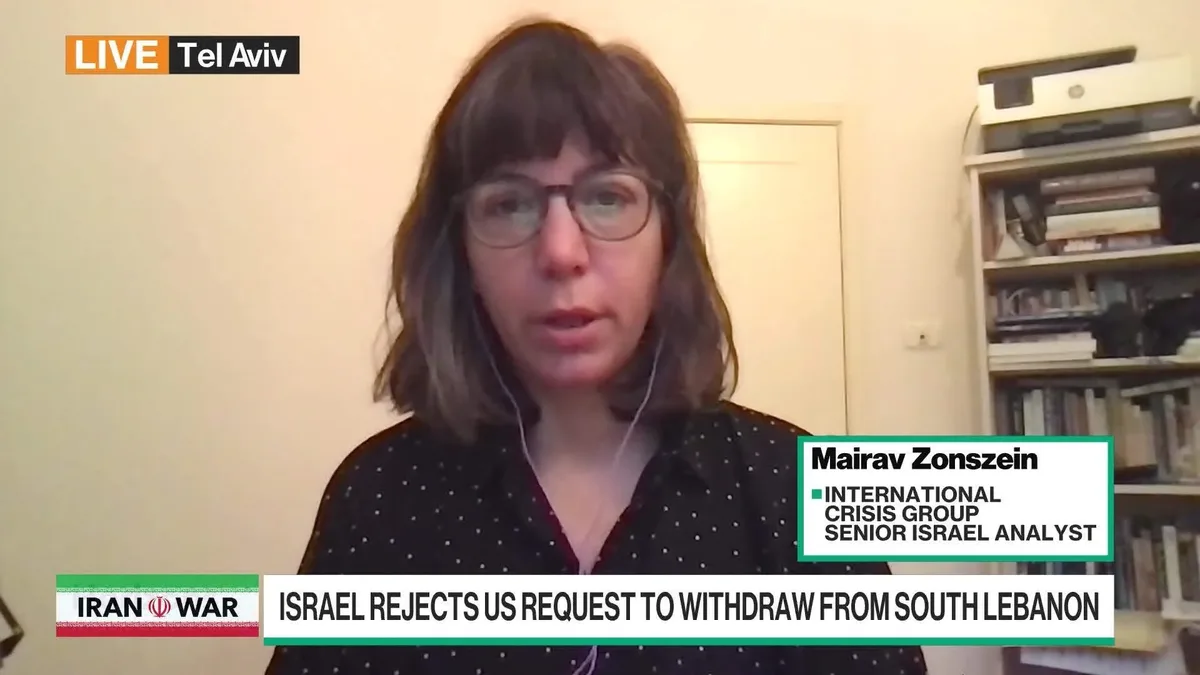
Despite the ceasefire, the Israeli military stated it would continue to remove immediate threats from Hezbollah. A spokesperson said Israel would "continue to remove immediate threats, respond to Hezbollah's violations, and do whatever is necessary to protect our civilians" [1, 4]. Hezbollah deputy leader Sheikh Naim Qassem declared, "The project to eliminate Hezbollah has failed." [1]
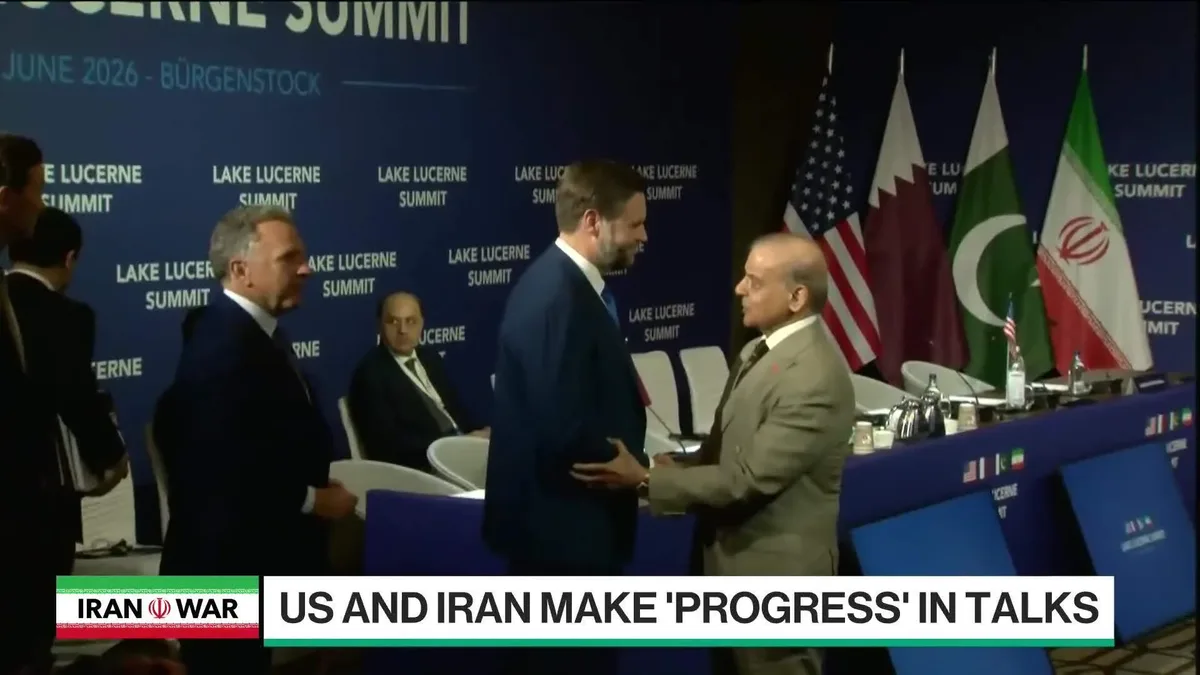
The ceasefire strained US-Iran relations, leading to the postponement of US-Iran talks in Switzerland originally scheduled for June 19. However, US, Iranian, Pakistani, and Qatari officials began talks in Switzerland on June 20 [11, 8, 4, 5]. By June 22, US and Iran reported "encouraging progress" in technical discussions toward a final peace deal [9, 12].
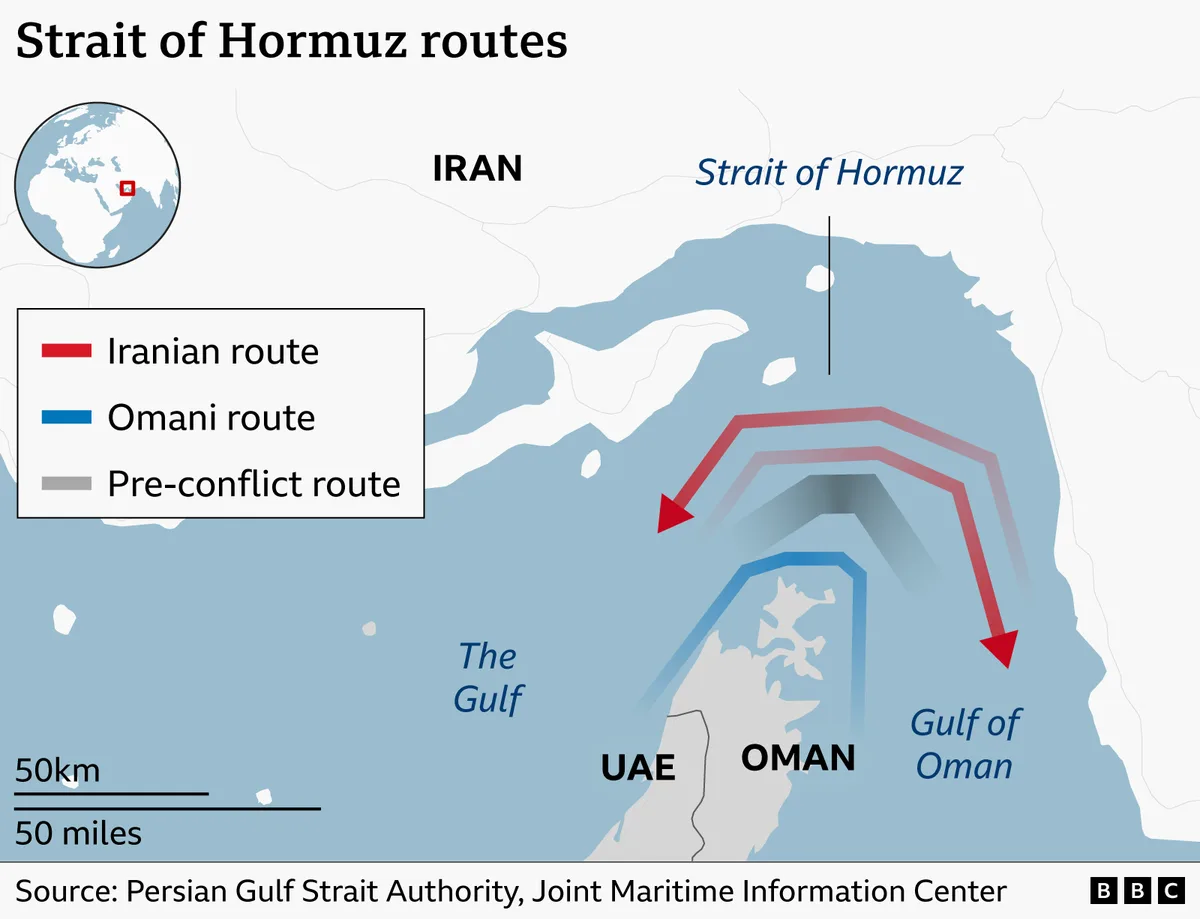
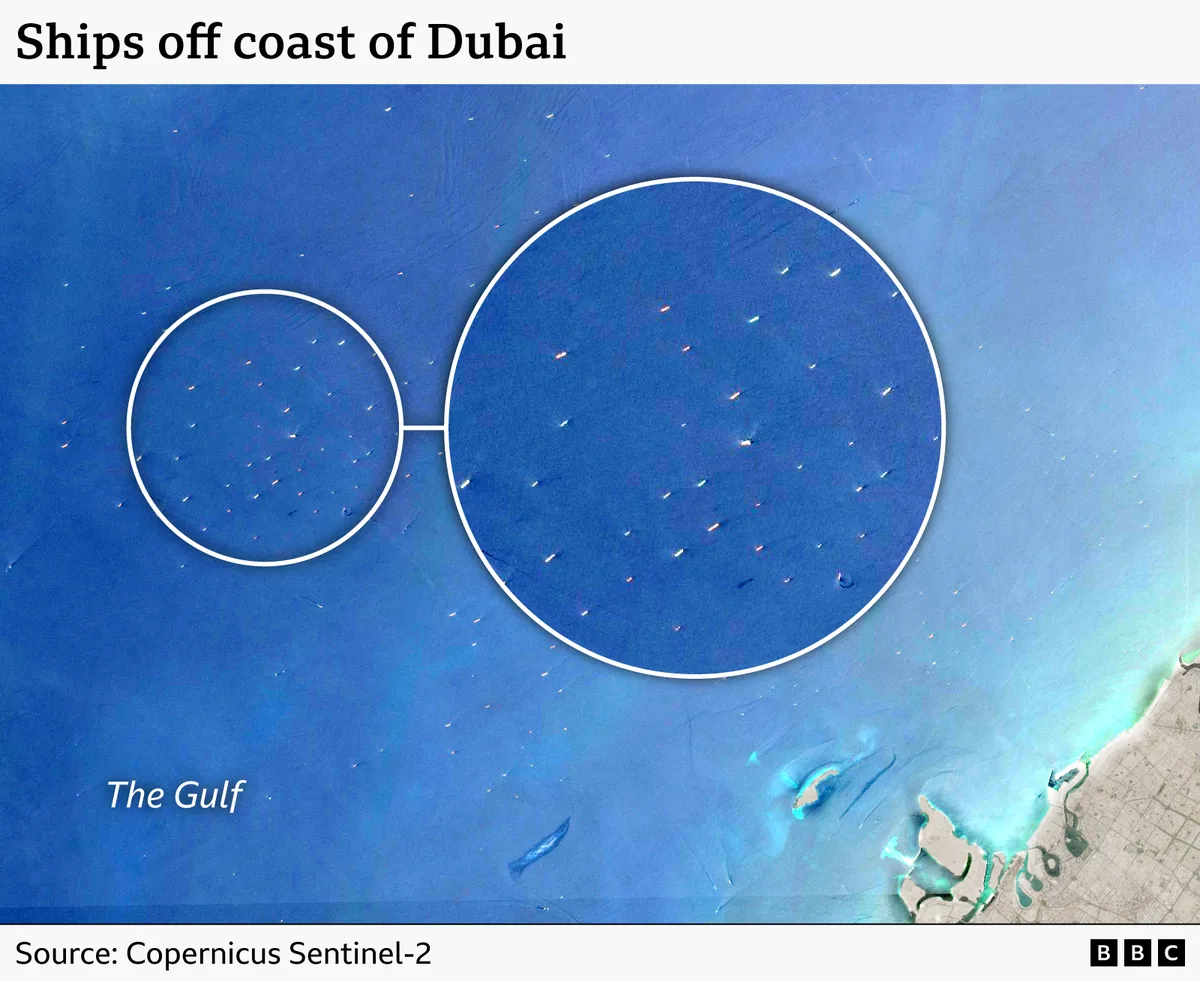
Ship transit through the Strait of Hormuz resumed after the peace deal, with at least 172 vessels passing since June 18. The US eased sanctions and lifted a naval blockade on ships linked to Iran, allowing Iranian oil exports until at least August 21. Martin Kelly of EOS Risk Group noted, "That said, there has been an increase in 'normal' trade too" [10].
Iran insists its nuclear program is peaceful and says that final peace negotiations require full enforcement of all commitments including cessation of military operations [8]. The 60-day ceasefire includes safe passage for commercial vessels through the Strait of Hormuz [8, 10]. The next phase of negotiations and monitoring of the truce continue in Switzerland.