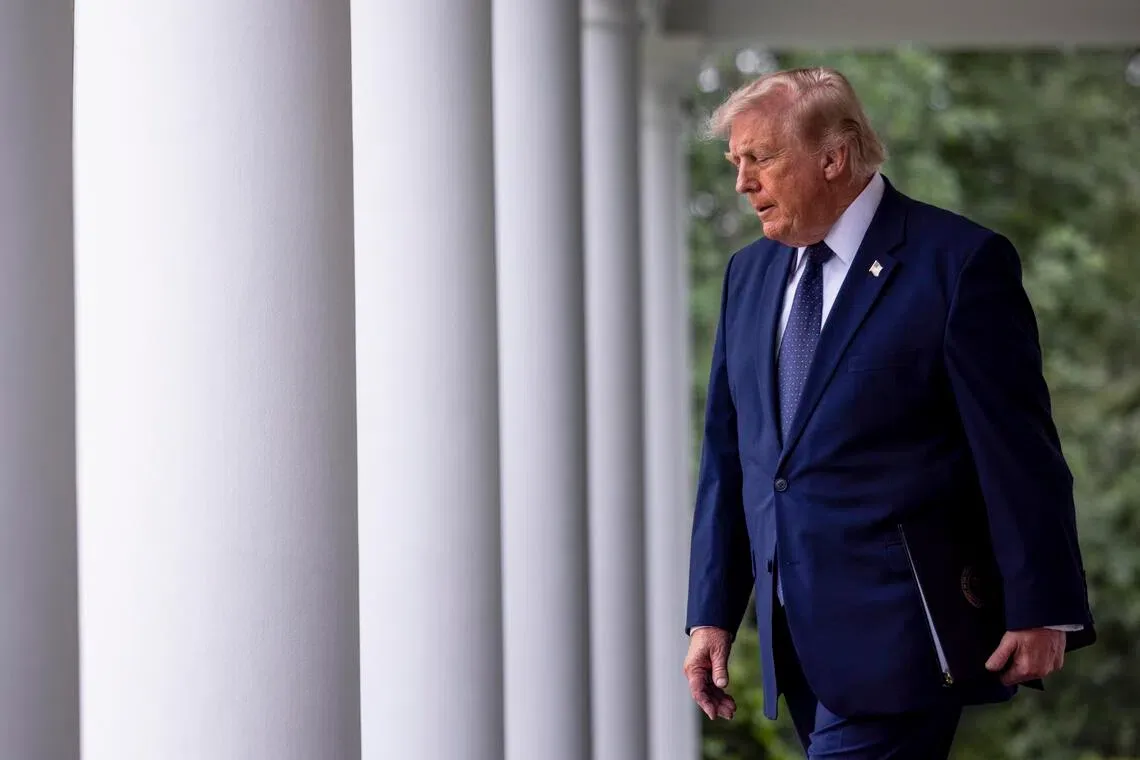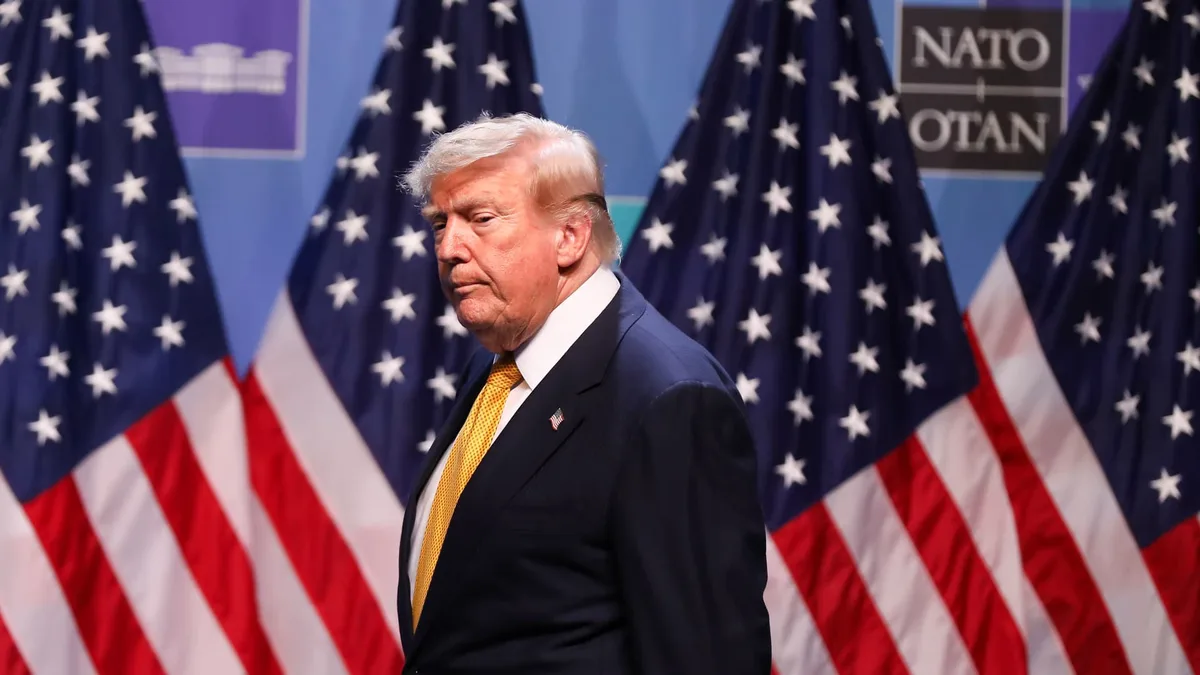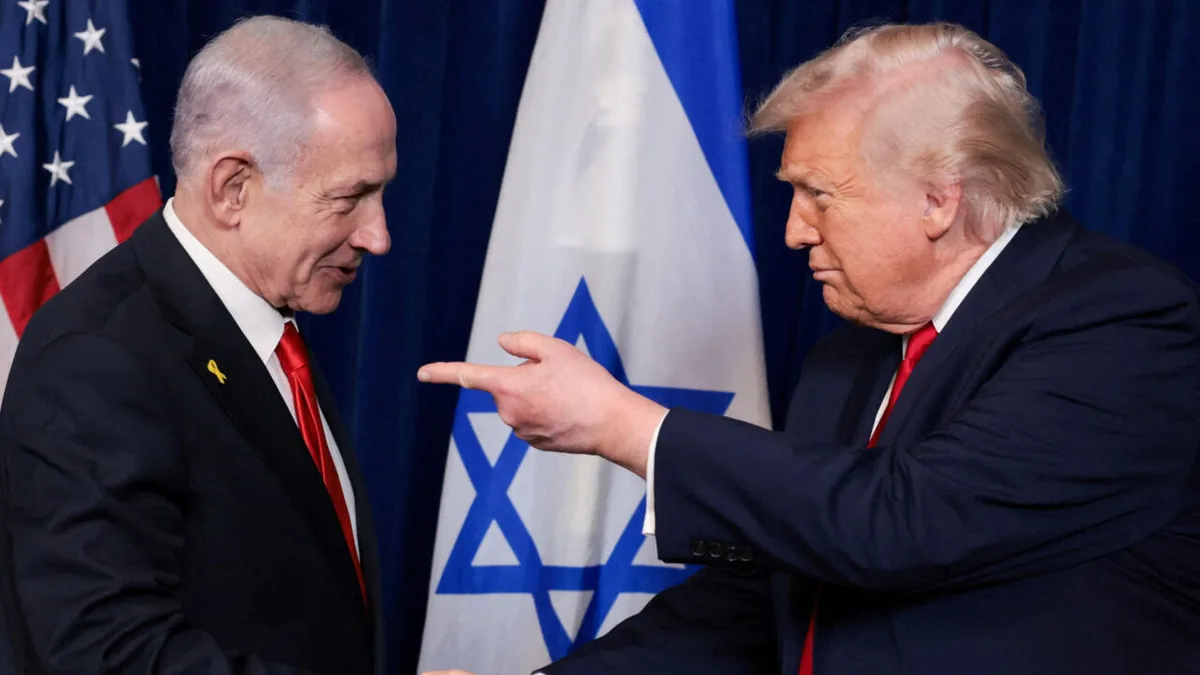
Israel recently shared new intelligence with the United States indicating that Iran is planning a specific assassination plot targeting former U.S. President Donald Trump, according to multiple sources citing high confidence [1, 2, 3, 4, 5, 6, 7]. Trump has publicly acknowledged being on several Iranian assassination hit lists, warning about threats to his life. He told reporters in Ankara on July 8, "They want to take out the US leader – me. I’m on whatever list. I saw this morning I’m on every single one of their lists" [1, 2, 4, 5, 7, 2].
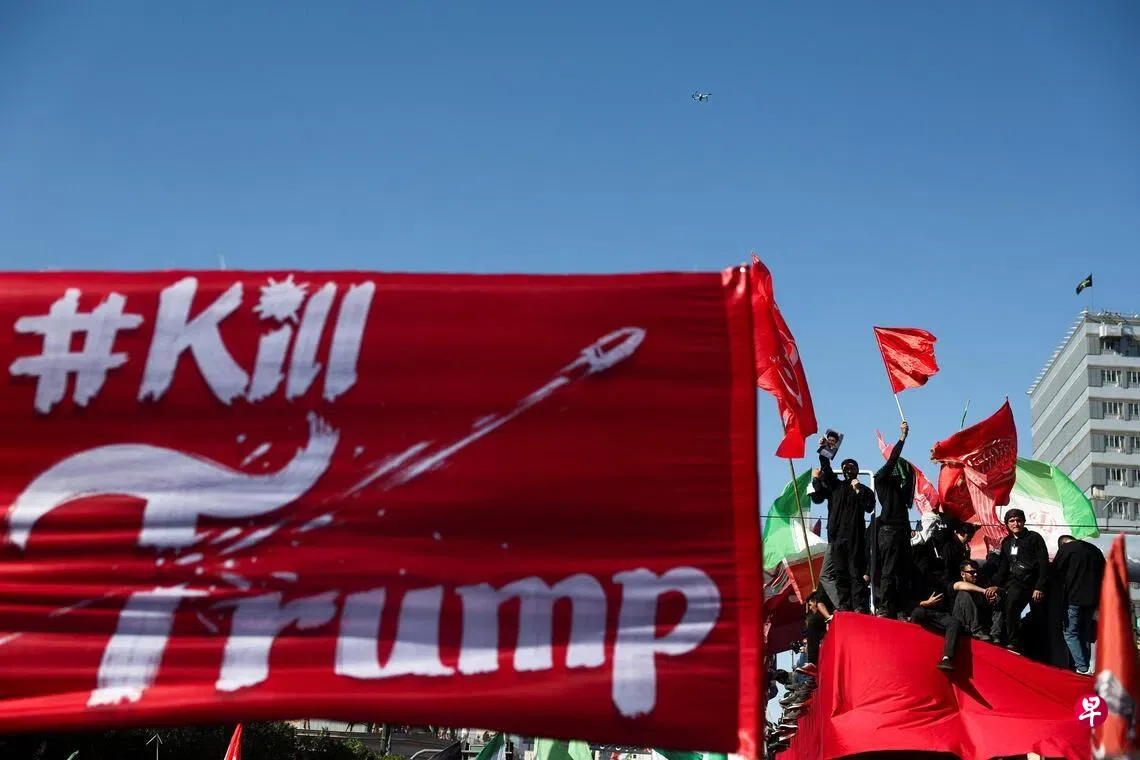
Iran has repeatedly vowed retaliation for the 2020 killing of Iranian General Qassem Soleimani, an act ordered by Trump. Iran’s new Supreme Leader, Mujtaba, promised revenge for his father’s death and named targets for strikes [1, 2, 3, 4, 5, 6, 7, 8]. Iranian mourners at the late Supreme Leader’s funeral chanted slogans threatening Trump [1, 9, 10].
In response, Trump on July 10 issued a warning on social media, threatening to launch 1,000 missiles at Iran and more to follow if Iran attempts to assassinate him. His message stated, "1000 Missiles are Locked and Loaded and aimed at the Islamic Republic of Iran... should the Iranian Government act on its threat... to assassinate... the sitting President... in this case, ME!" [8, 11, 9, 10].
The U.S. Treasury also imposed new sanctions on Iranian individuals and entities to limit Iran’s access to foreign currency amid these tensions [8, 9].
Recent weeks saw a split between Trump and Israeli Prime Minister Benjamin Netanyahu over tactics toward Iran. Netanyahu pushed for continued military action while Trump sought to avoid a prolonged war. Despite differences, the two spoke by phone on July 9 and agreed to sustain coordination on Iran matters [1, 4, 5, 7].
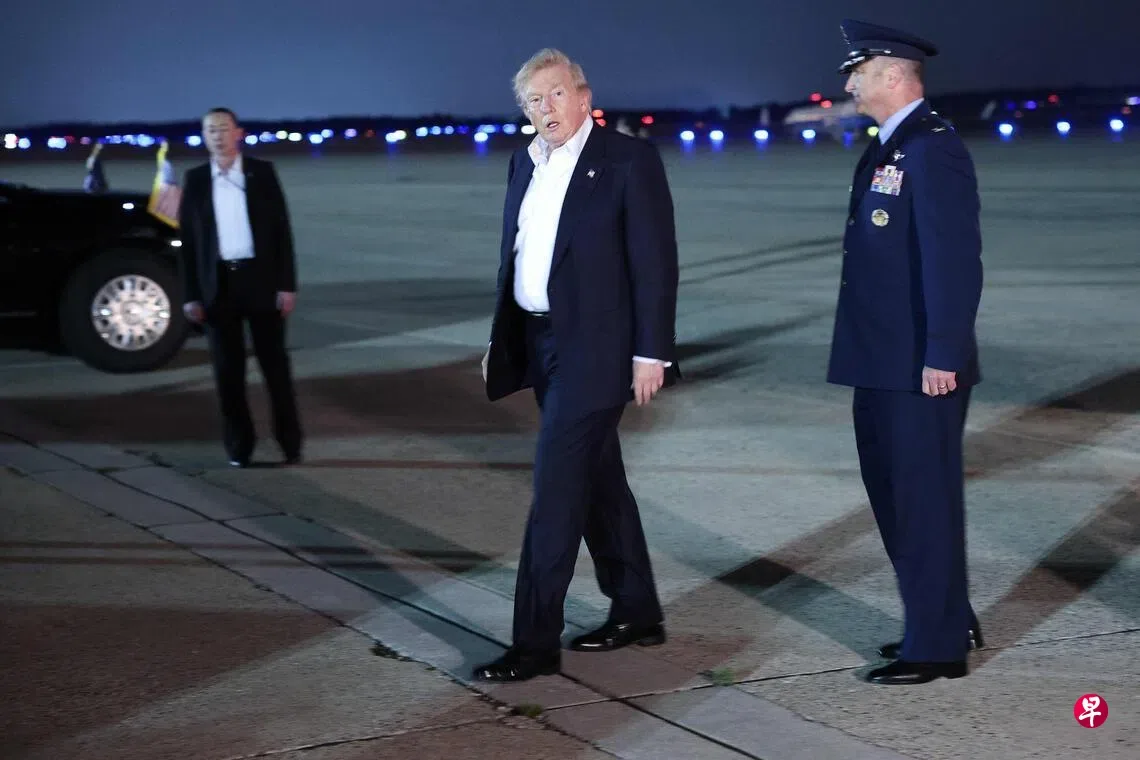
Trump used an older Air Force One plane to depart Turkey after the NATO summit on Secret Service advice as a security precaution [2, 6].
Meanwhile, Iranian Foreign Minister Abbas Araghchi arrived in Oman on July 11 to discuss security and shipping issues related to the Strait of Hormuz. The U.S. demands Iran publicly declare an end to attacks on commercial shipping and open all shipping lanes without fees [8, 10]. Iranian officials privately told U.S. advisors some recent vessel attacks were caused by "rogue hardliners" and not official policy [8].
The fragile U.S.-Iran ceasefire from last month is now viewed as effectively over by the U.S., though talks continue [8, 11, 9]. The evolving situation remains tense, with both sides taking steps—including threats, sanctions, and diplomacy—to assert influence in the region.