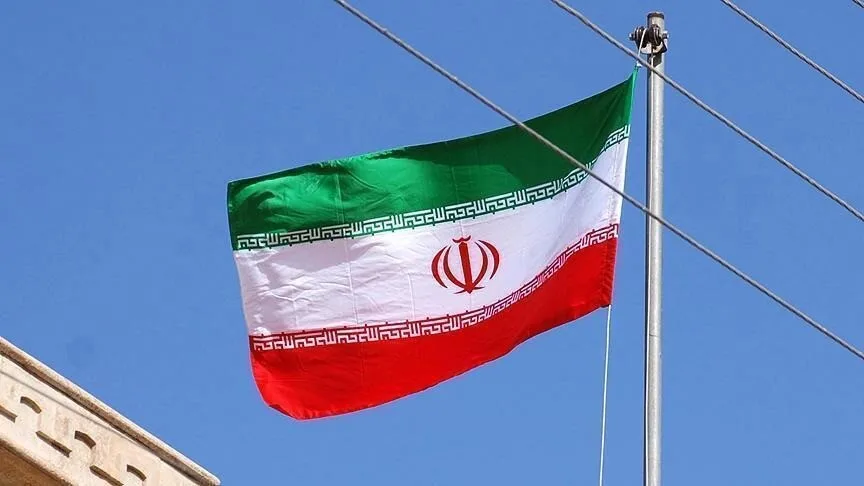
Kuwait announced the expulsion of two Iranian diplomats on June 3 after Iranian drone and ballistic missile attacks struck Kuwaiti territory, killing one person and injuring 63 others [1, 2, 3]. The diplomats were declared persona non grata and given 24 hours to leave the country, according to official statements [1, 2, 3].
The acting Charge d’Affaires of the Iranian Embassy in Kuwait was summoned and handed a protest note that included Kuwait’s decision to reduce Iranian embassy staff, signaling a sharp diplomatic response [1]. Kuwait condemned the Iranian strikes and stated it "reserves a full and inherent right to defend itself and to take all necessary measures to preserve its sovereignty and safeguard its security," according to the Kuwaiti Foreign Ministry [1]. The attacks damaged key facilities including diplomatic missions.
Regional tensions have escalated sharply since late February when US and Israeli airstrikes on Iran killed more than 3,000 people, including Supreme Leader Ali Khamenei [1]. A Pakistan-brokered ceasefire took effect on April 8, but broader efforts to reach an agreement have so far failed to prevent further violence [1].
The expulsion of diplomats reflects Kuwait’s firm stance amid the ongoing conflict and recent attacks on its soil. The diplomats must leave within 24 hours following the June 3 decision, marking the latest development in escalating regional hostilities [1].