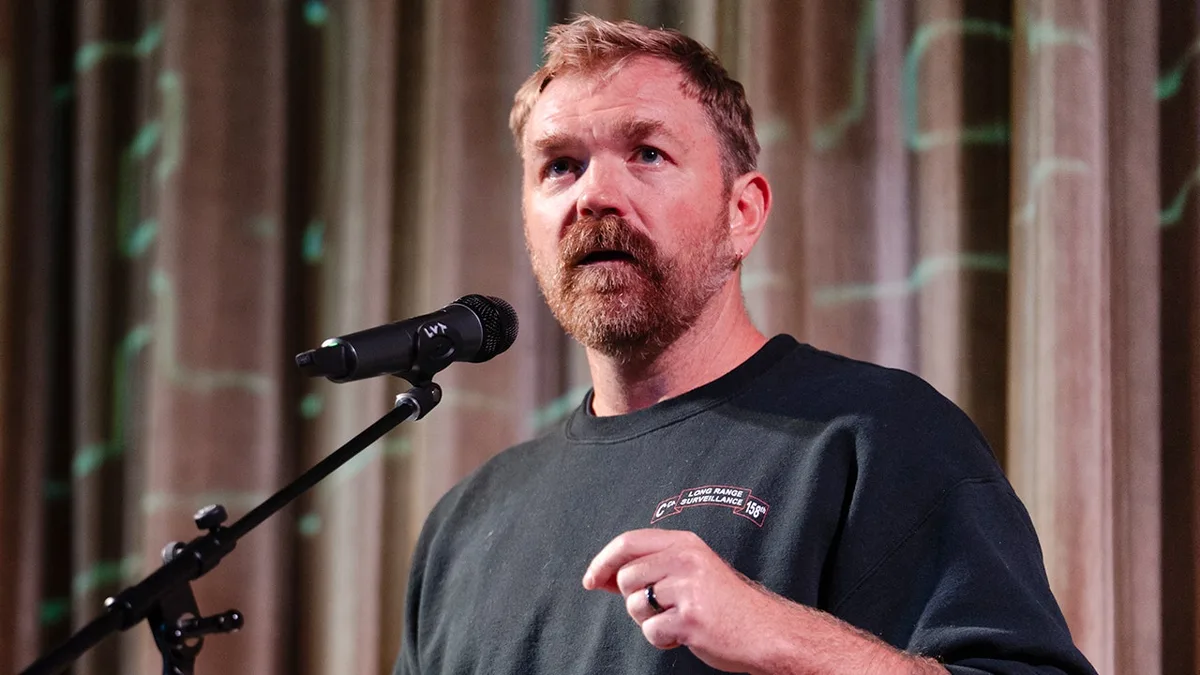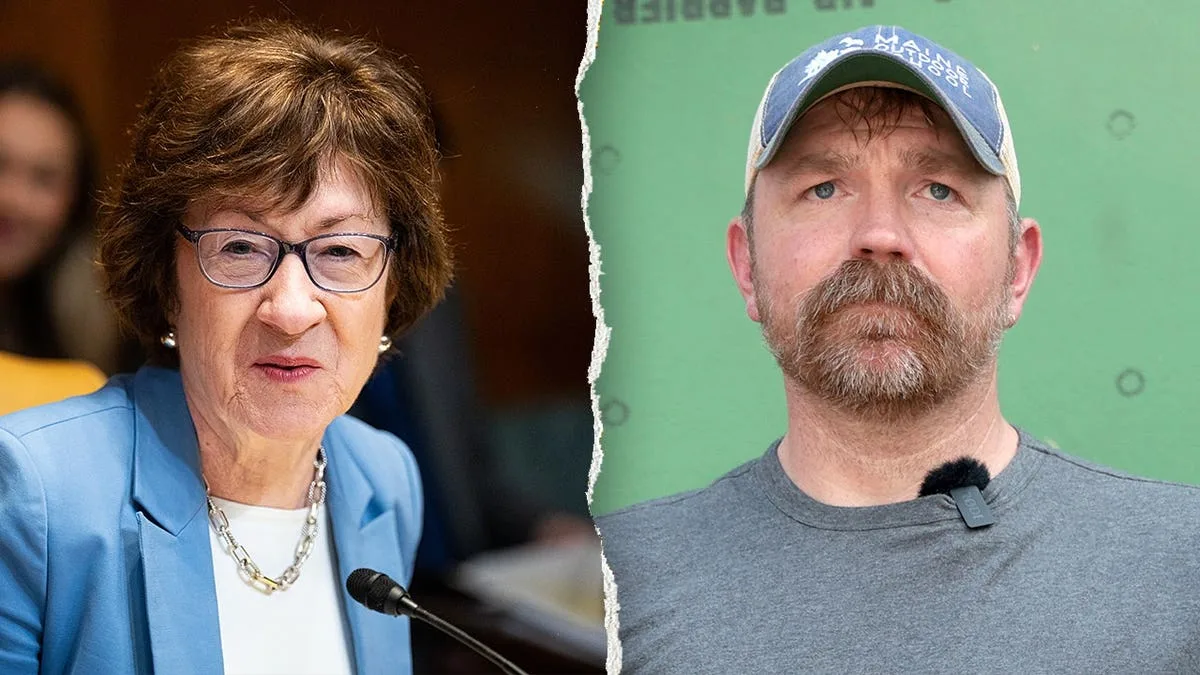
Graham Platner, the Democratic candidate for the U.S. Senate from Maine, is under scrutiny for multiple controversies including a Nazi tattoo, inflammatory Reddit posts, and sexually explicit texts sent to up to 12 women during his marriage [1, 2, 3]. Despite these issues, he remains the presumed winner of the Maine Democratic Senate primary set for June 9, 2026, where he will challenge Republican incumbent Susan Collins in November [1, 2, 3].
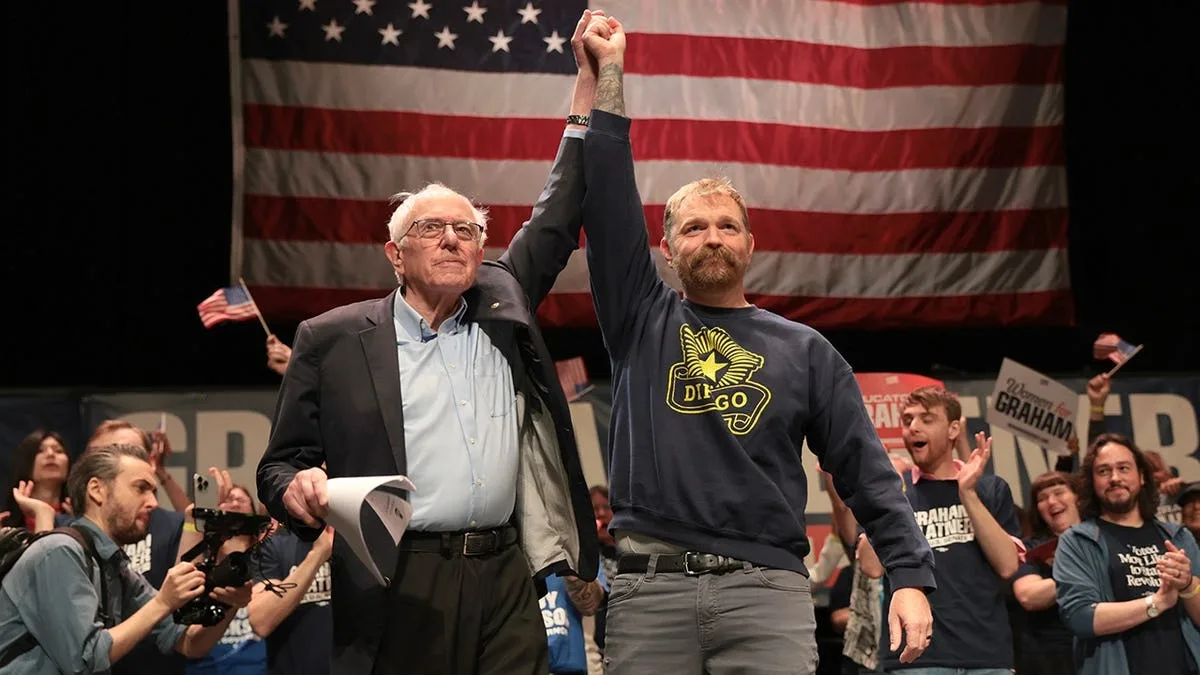
Some establishment Democrats have raised concerns about Platner’s electability because of the controversies. Former Maine State Rep. Genevieve McDonald resigned from Platner's campaign and publicly questioned his chances of winning [2]. Representative Jake Auchincloss initially called Platner’s tattoo a "personally disqualifying" matter but later emphasized the importance of defeating Collins [2, 3]. Meanwhile, prominent figures such as Senators Bernie Sanders and Elizabeth Warren have continued to support Platner, prioritizing the election outcome over his personal controversies [1, 2]. Sanders said, "I think it's important for us to focus on the issues facing working families a little bit more than Graham Platner's marriage" [1].
Platner met with Senate Democrats on June 3 to address questions about his background and the allegations [1]. Senators such as Catherine Cortez Masto acknowledged the concerns but stressed winning the race. "I've heard some of my colleagues' concerns about what we've read in the papers," she said. "But at the end of the day, we've got to win." [1] Senator Ruben Gallego added, "We know that at this point this man can still win the race, and as long as he continues, I think we'll all be there." [1]
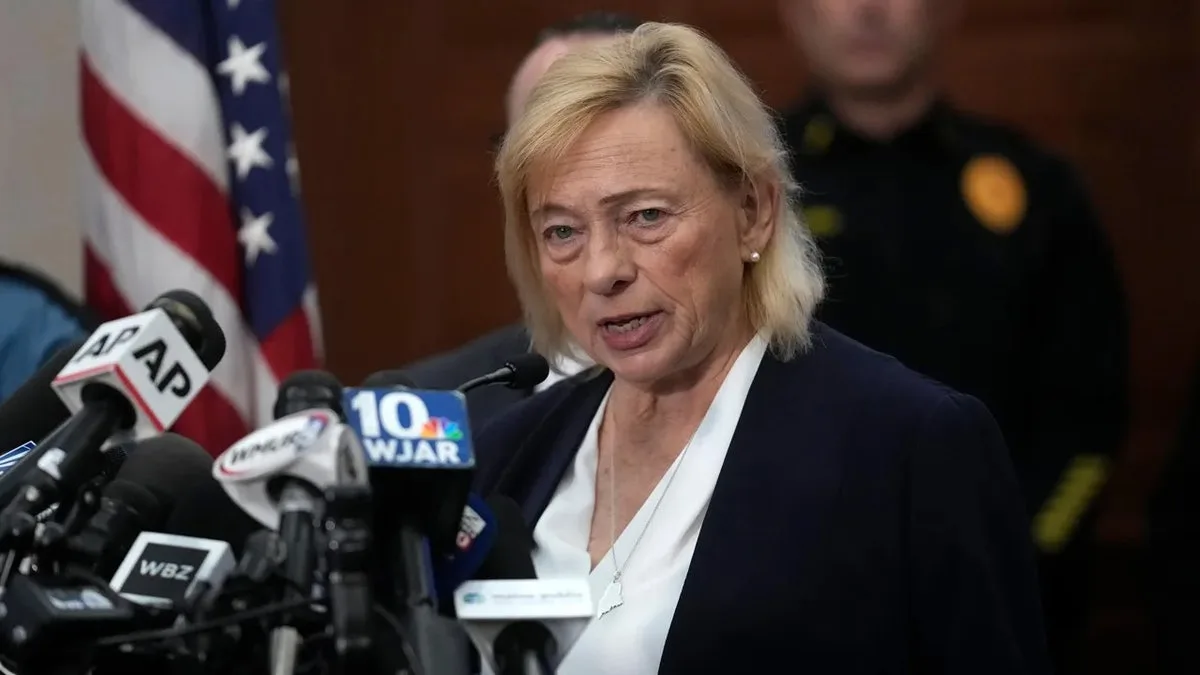
Governor Janet Mills’ allies have reportedly urged her to re-enter the Senate race, but she has declined and suspended active campaigning while remaining on the ballot [1]. Under Maine election law, a candidate who wins the primary can withdraw by 5 p.m. on July 13, allowing the party to select a replacement candidate by July 27 [1, 2]. This creates a narrow window for Democrats who seek to replace Platner.
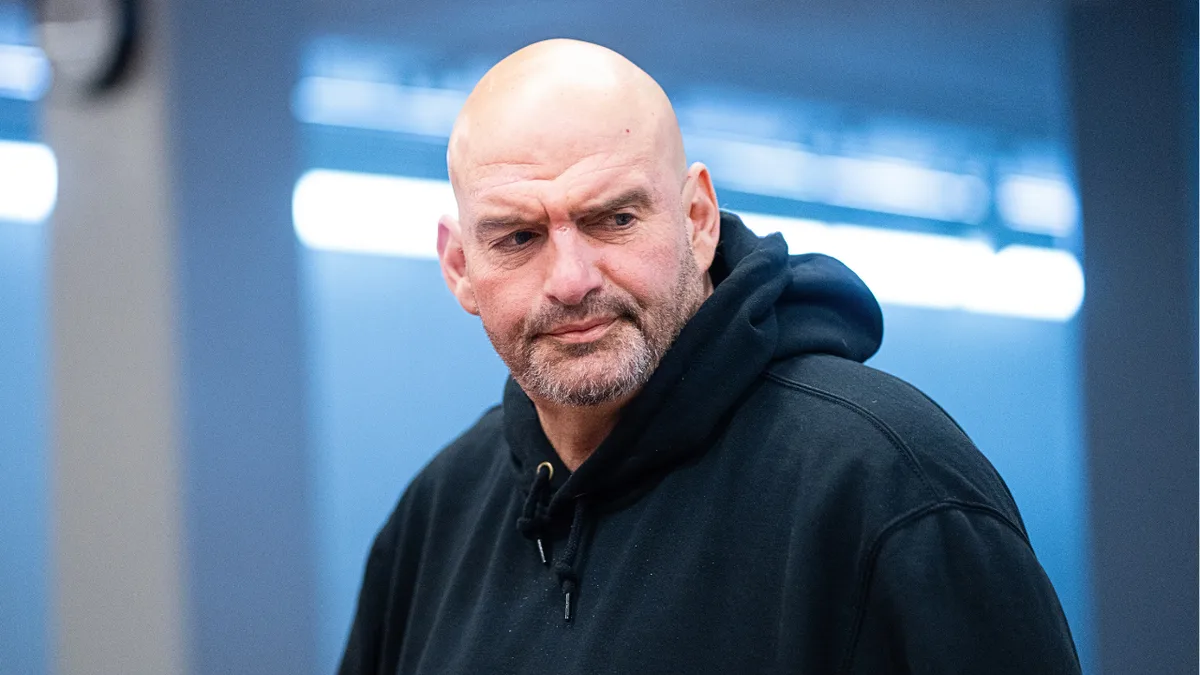
Senator Gary Peters said, "I'll know more after tomorrow's briefing on that. But clearly, campaigns and candidates have to be fully transparent as things come out." Senator Peter Welch stressed that Platner must answer questions "directly and forthrightly" and that Maine voters will ultimately decide [1]. Meanwhile, former campaign critics continue to question Platner’s viability. Sen. John Fetterman mocked the controversies, calling Platner "Question Hound Democrats," referencing explicit texts sent as a newlywed [3].
The Maine Democratic Senate primary is scheduled for June 9, 2026, a critical test for Platner’s candidacy and the party’s chances against Collins [1, 2, 3]. The July 13 withdrawal deadline and July 27 replacement deadline loom as deadlines for any potential candidate changes in the race [1, 2].