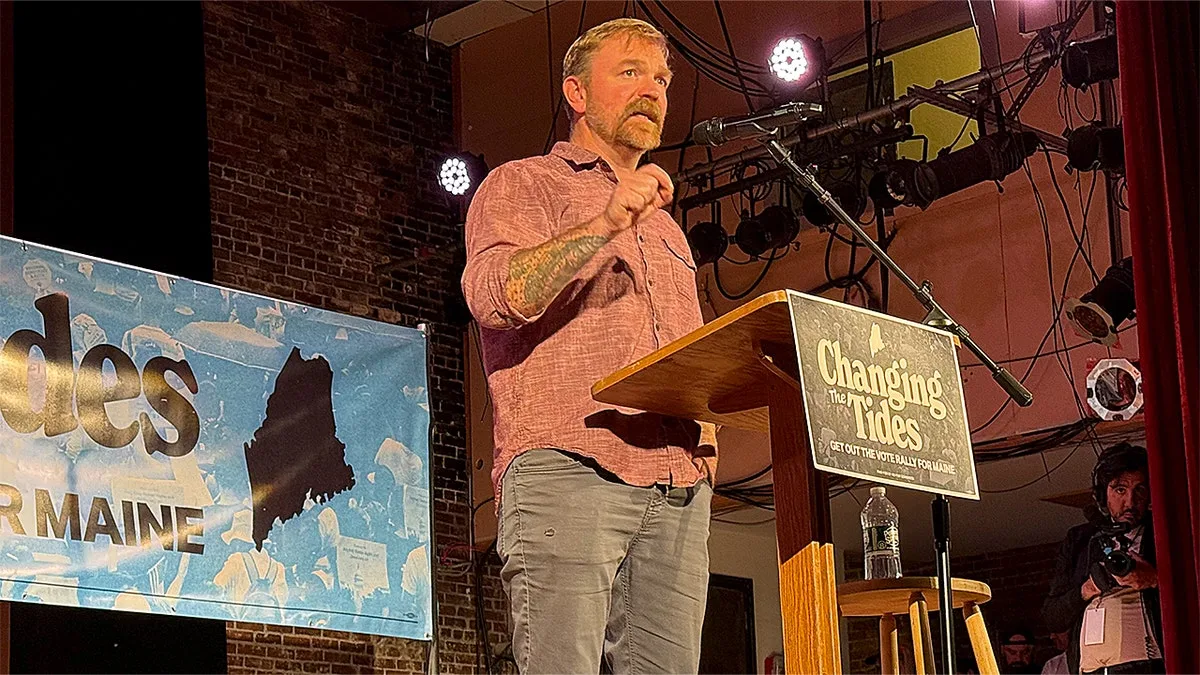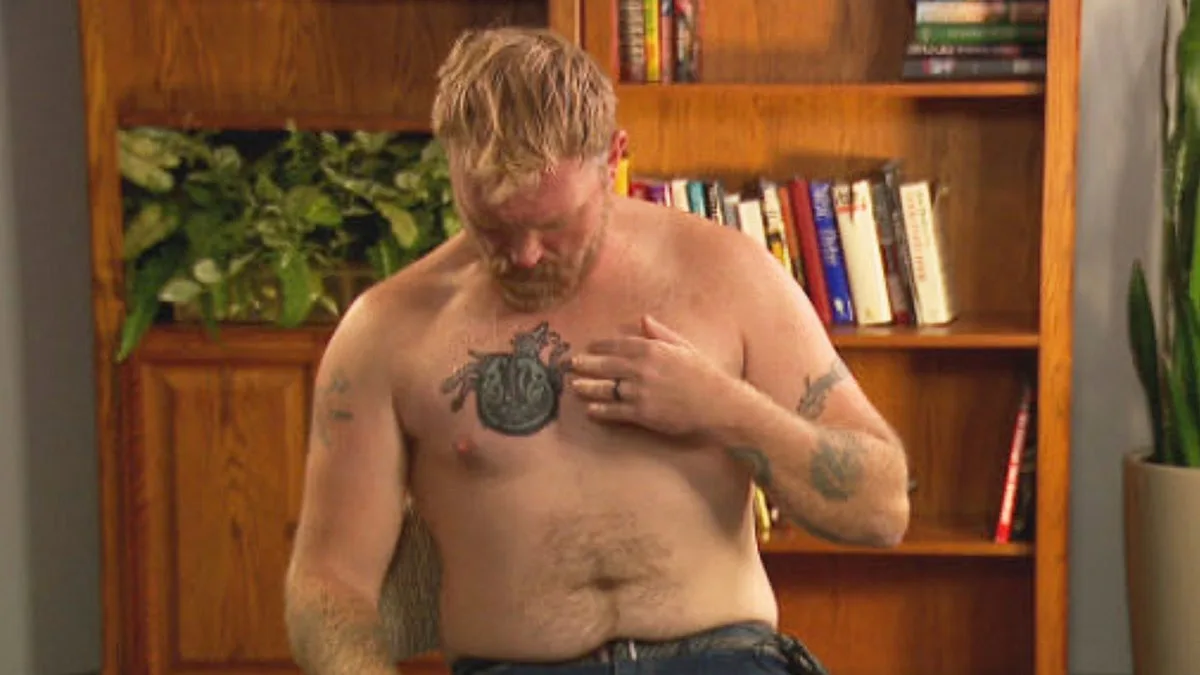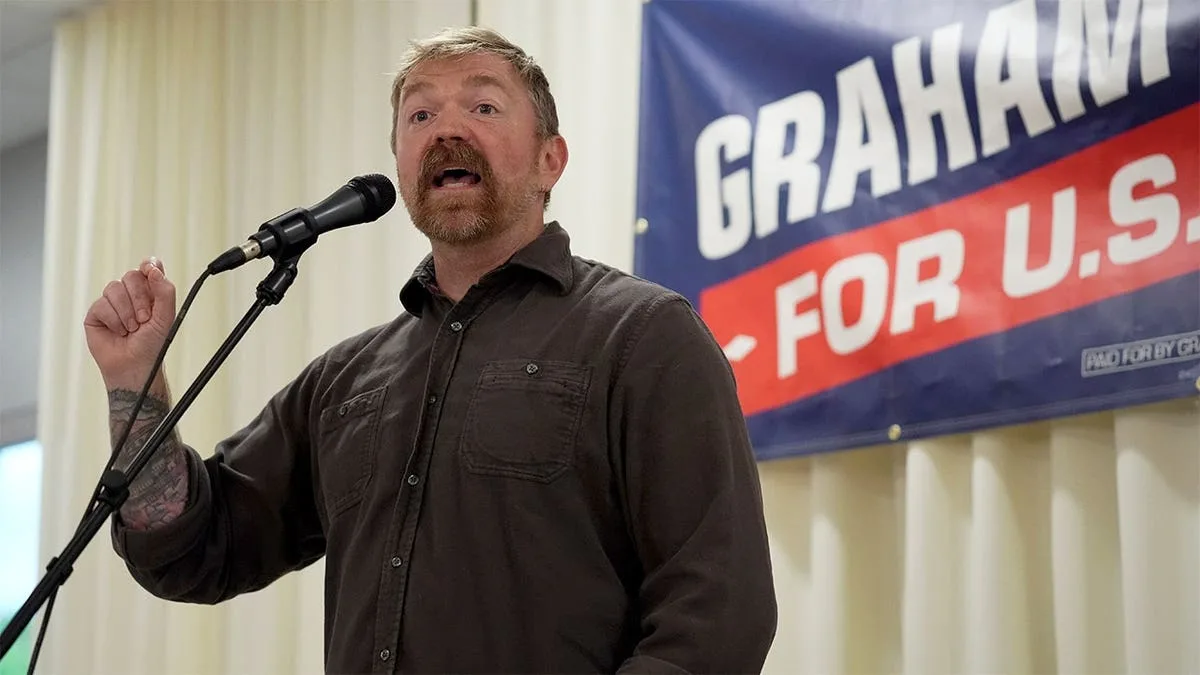
Graham Platner, a Democratic candidate for a U.S. Senate seat in Maine, is under scrutiny for controversies including a tattoo resembling a Nazi skull-and-crossbones symbol and allegations of sexual misconduct during past relationships [1, 2, 3].
Platner said he got the tattoo nearly 20 years ago while drinking with fellow Marines and was unaware of its meaning at the time. He covered the tattoo with another design last year after launching his Senate campaign [1, 2]. He has publicly apologized, calling the tattoo a mistake made under the influence [1, 2].
In addition to the tattoo, Platner faces accusations from former partners alleging unsettling and potentially abusive behavior. He denies any violence toward women, attributing personal failings to undiagnosed PTSD and alcohol use during a difficult period in his life. "I had been open about a very dark period in my life, including undiagnosed PTSD, alcohol use and being a far from perfect boyfriend," Platner said [2].
The controversies have divided Maine voters. Some call Platner a disgrace. A Maine military veteran named Bill said, "He's a disgrace to every veteran that has PTSD like I do... You do not wear Nazi symbols because you were in combat. That is because of who you are" [3]. Another voter, Mike, said, "Anybody with a Nazi tattoo, and it's not a Bugs Bunny tattoo... it's a no-brainer for me" [3].
However, a Reuters/Ipsos poll conducted June 6 with 546 Democrats familiar with Platner found only 17% would refrain from voting for him due to the tattoo controversy. This suggests many Democrats remain willing to support him despite the issues [1]. Bill Maher recently discussed Platner on his show Real Time, calling the Maine candidate "a lot" in reference to the scandals [2].
The Maine Democratic primary is scheduled for June 10, 2022. Platner remains a contender amid these debates in the state over whether to back him as the best chance to unseat incumbent Republican Senator Susan Collins [1, 3].