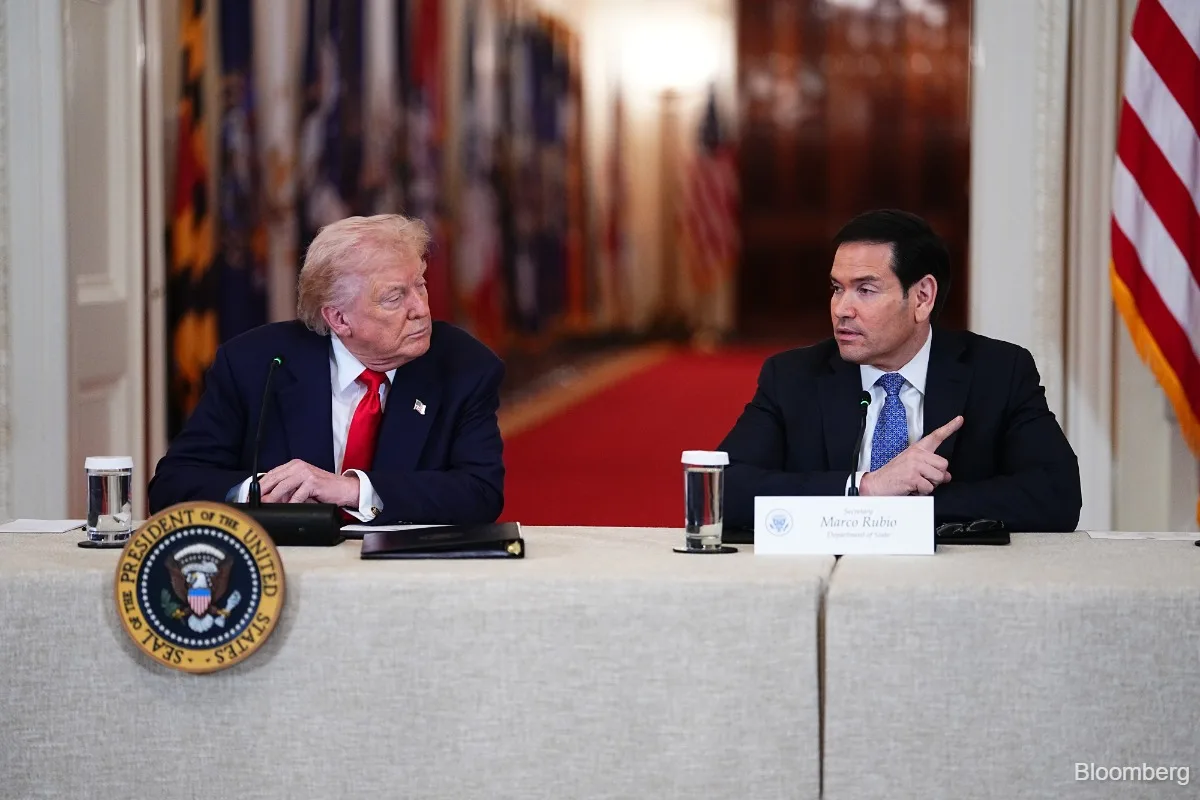
US Secretary of State Marco Rubio defended the Trump administration’s military strategy on Iran during testimony before Congress in early June 2026. Rubio said the administration recognized the potential global economic fallout from military actions but judged the risk of Iran acquiring a nuclear weapon as the greater threat [1].
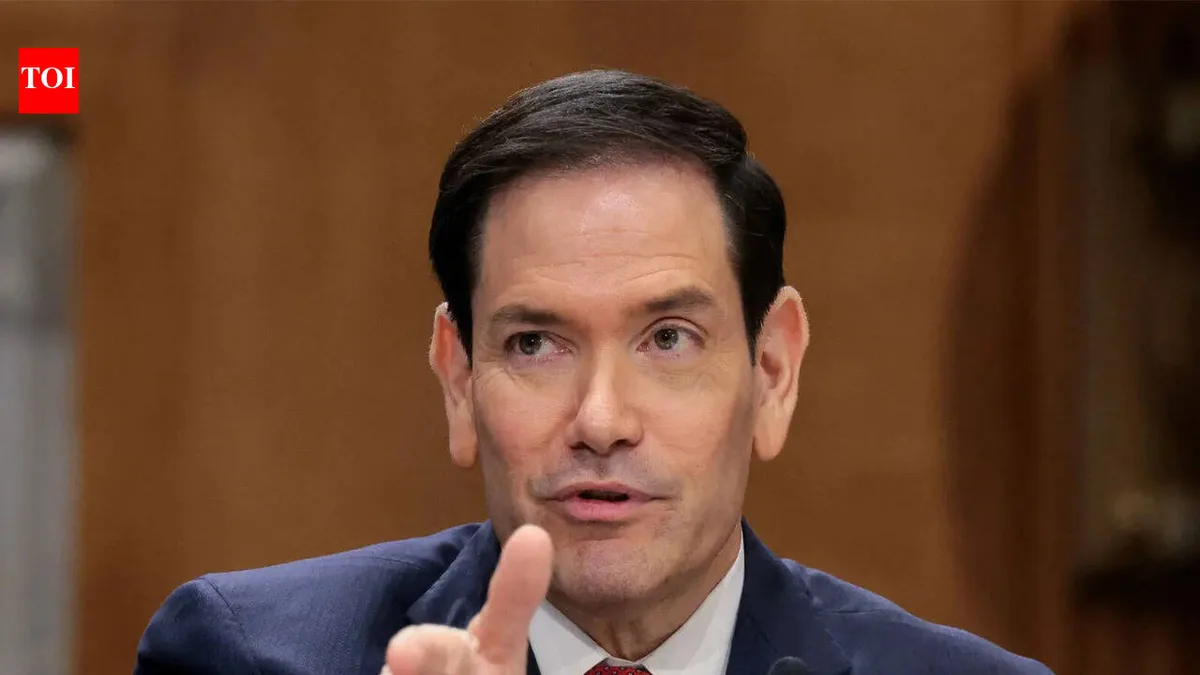
Rubio testified June 2 before the Senate Foreign Relations Committee, describing substantial degradation of Iran’s military capabilities. He claimed Iran was building a conventional military shield to protect its nuclear program, but US operations had heavily damaged it. Rubio specifically said Iran’s naval strength had been greatly weakened, dismissing remaining naval forces as “a bunch of Boston Whalers with machine guns on them” [2].
He also noted US strikes harmed Iran’s drone program, though low-cost drones remain a persistent challenge for global security [2].
On June 4, Rubio appeared before the House Foreign Affairs Committee and denied that financial considerations or President Trump’s personal finances affected war decisions, stating he never heard Trump discuss his own financial position as a factor [1]. Those claims have been contested by Democratic Representative Gregory Meeks, who accused Trump and wealthy administration members of profiting from the Iran conflict while Americans paid the economic price [1]. The White House and Trump Organization have denied conflicts of interest regarding Trump’s stock trades during the war period [1].
Rubio detailed that upcoming nuclear negotiations with Iran would be highly technical and could take months. He said Iran must take concrete steps, including reopening the Strait of Hormuz and agreeing to restrictions on uranium enrichment [2]. The recent flareups of violence were linked to Iranian attacks on commercial shipping in the strait, with US forces defending merchant vessels from illegal drone attacks [1].
Rubio’s testimony outlined the military and diplomatic challenges the US faces with Iran, emphasizing the nuclear threat as the main justification for actions taken. The Congress continues to assess the ongoing situation as negotiations and security efforts proceed.