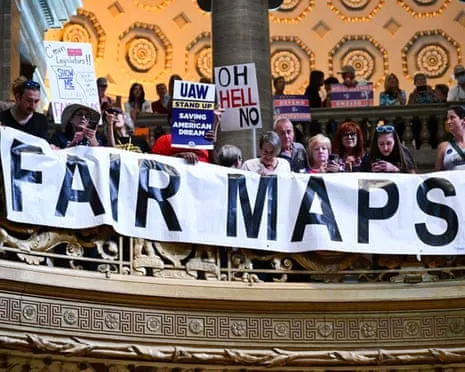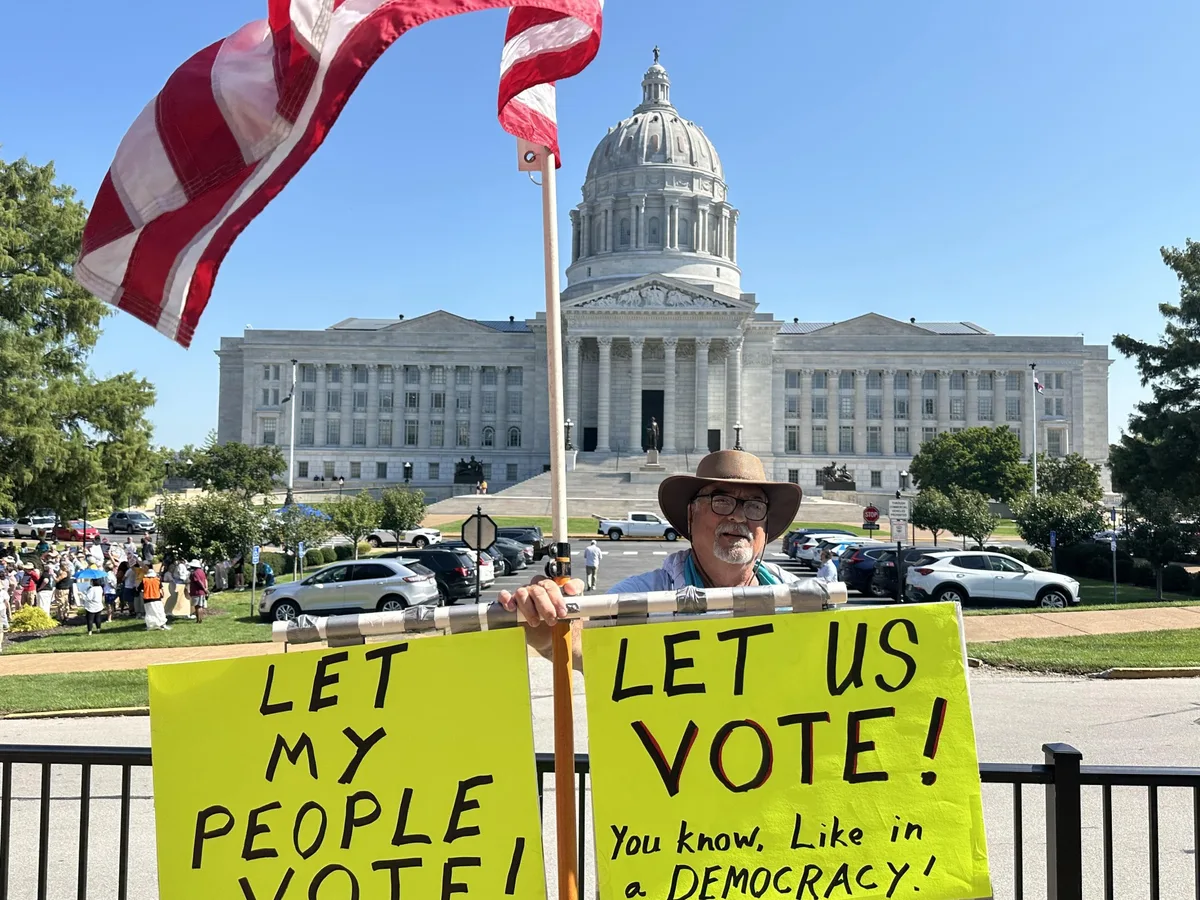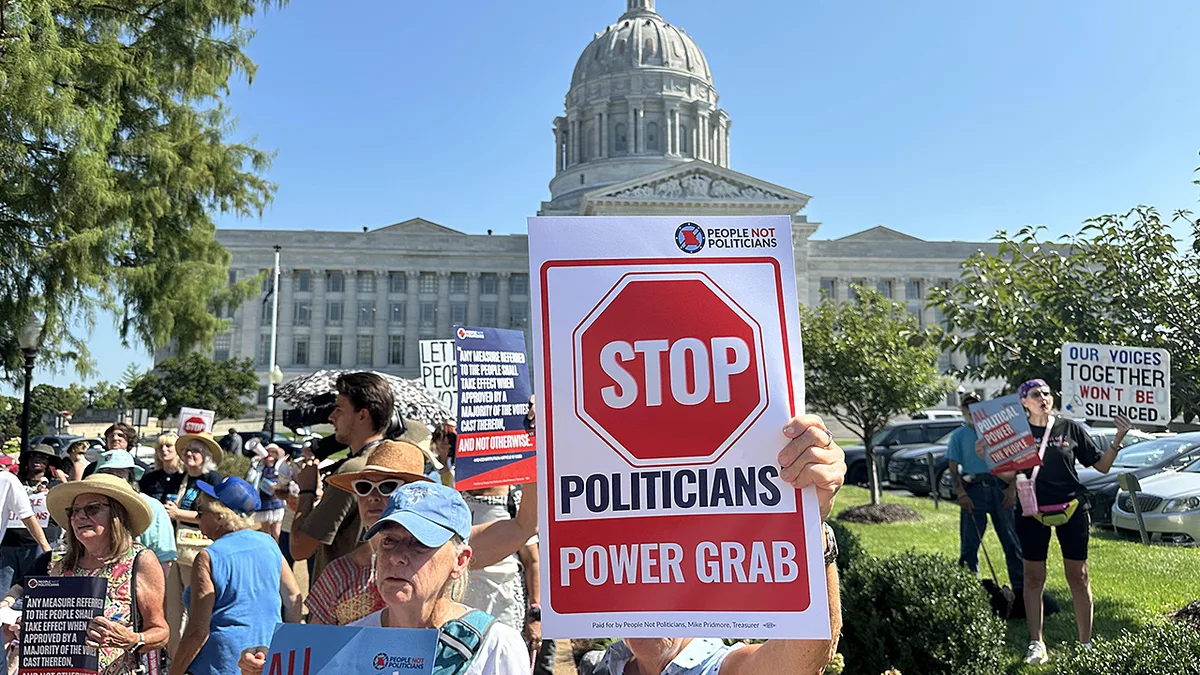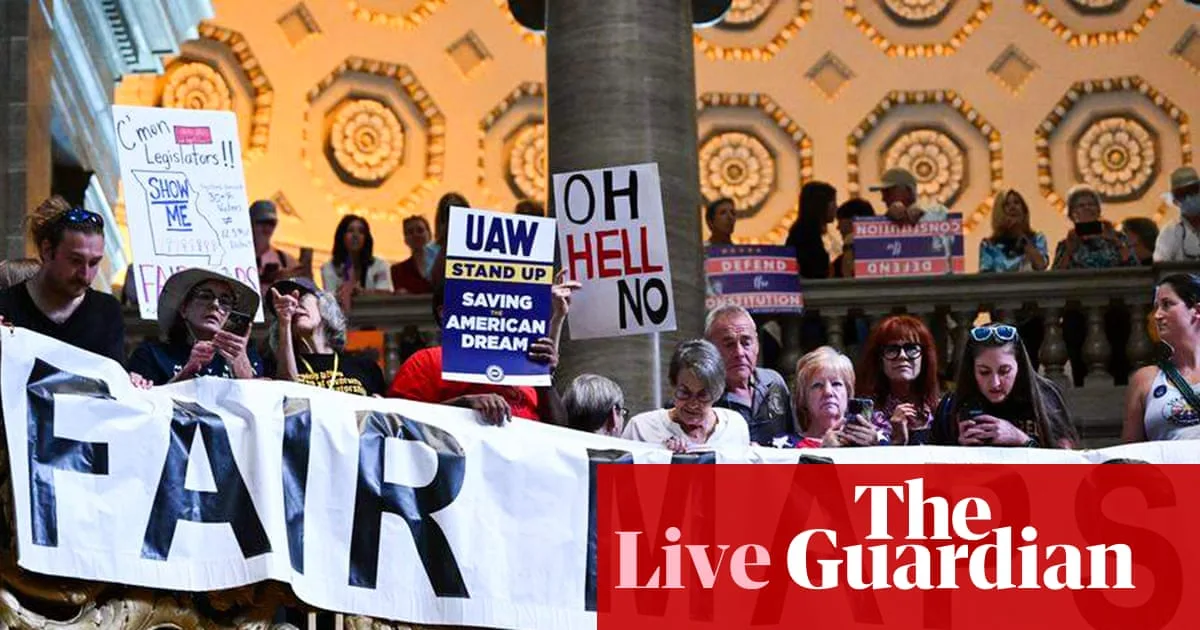
The Missouri Supreme Court unanimously blocked a Republican-drawn congressional map from being used in the November 2026 midterm elections on Thursday, overturning Secretary of State Denny Hoskins' earlier rejection of a referendum petition against the map [1, 2, 3].
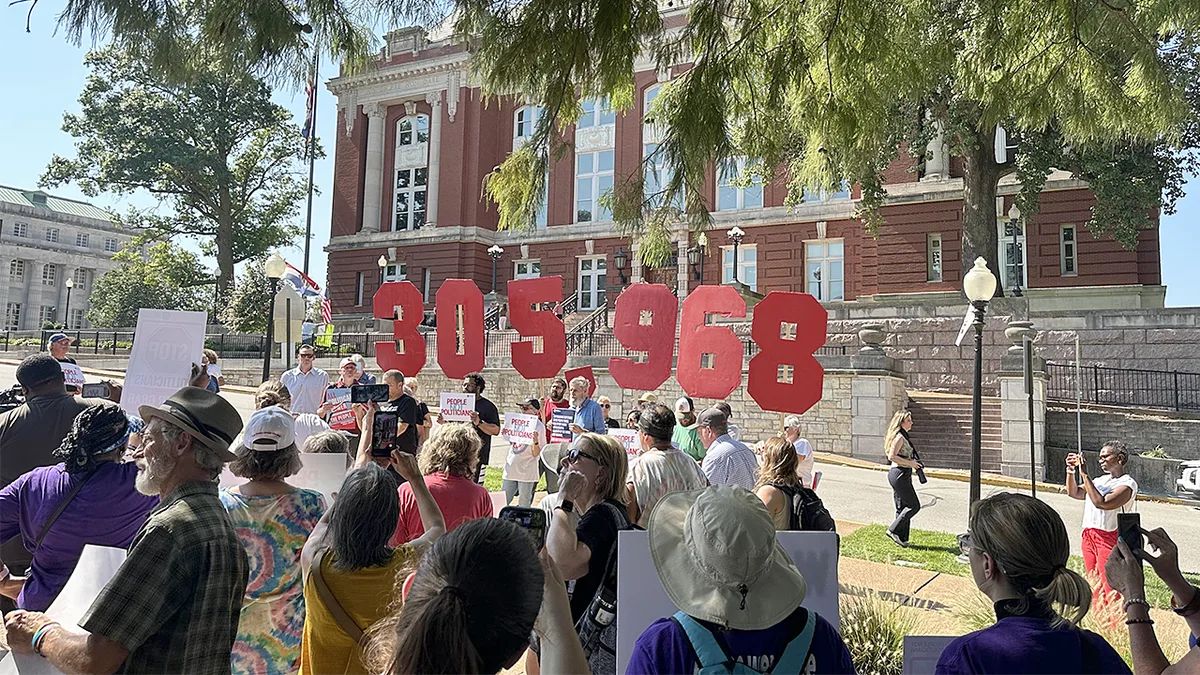
The blocked map, signed into law in September 2025, had been backed by former President Donald Trump and was designed to help Republicans gain an additional House seat [1, 2, 3]. Nearly 300,000 Missouri residents signed a petition demanding the new map be subject to a statewide vote, triggering a legal challenge [2, 3]. The court ruled that the referendum petition was legal, sufficient, and timely, making the map ineligible to take effect unless approved by voters [1, 3].
Missouri Attorney General Catherine Hanaway, a Republican, said she would immediately appeal the ruling to the US Supreme Court. She called the decision unprecedented and said it violates federal law, plunging Missouri into a constitutional crisis. "Never before in American history has a court overturned a congressional map after a primary and before a general election," Hanaway said [1, 2, 3].
The 2020 census congressional map will continue to be used for the November 2026 general election [1, 3].
Former President Trump condemned the ruling on social media, calling it "a Dark Day for 'Justice' in Missouri" and describing it as "horrible, ridiculous, and unConstitutional" and "Ancient History" [1, 2, 3]. Missouri Governor Mike Kehoe, a Republican, also expressed disappointment, criticizing "unelected judges and their lack of respect for the legislative process" [1].
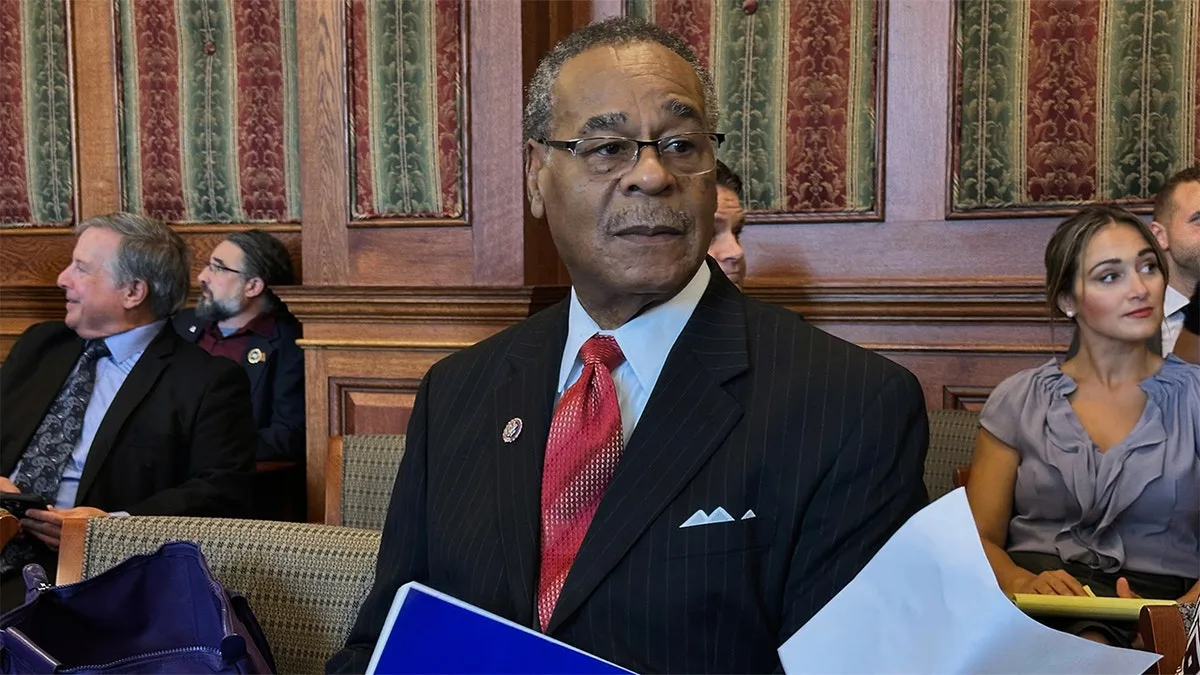
Democratic Congressman Emanuel Cleaver praised the court's decision, saying, "Despite the cynical and deeply shameful attempt to silence many of our neighbors, the people fought back and won" [1]. Political analyst Richard von Glahn stressed the ruling affirmed democratic principles, noting, "People, not politicians, will have the final say" [1].
The Missouri Supreme Court has seven judges, five of whom were appointed by Republicans [2]. Its ruling makes clear that the new congressional map cannot be used unless approved in a statewide referendum [1, 3].
The referendum petition had gathered over 300,000 signatures by December 2025 but was rejected by Secretary of State Hoskins on the day of the August 2026 primary before the court reversed that decision [3].
Attorney General Hanaway's planned appeal to the US Supreme Court represents the next legal step in the dispute.