The United States launched a new wave of military strikes against Iran from July 7 to 8, 2026, targeting more than 80 Iranian military and strategic sites, including nuclear and ballistic missile facilities, air defenses, command networks, coastal radar, anti-ship missiles, and over 60 small boats of the Islamic Revolutionary Guard Corps (IRGC) [1, 2, 3]. The strikes followed alleged Iranian attacks on three commercial tankers in the Strait of Hormuz. In response, the US revoked licenses that allowed Iran to export oil [4, 1, 2, 3].
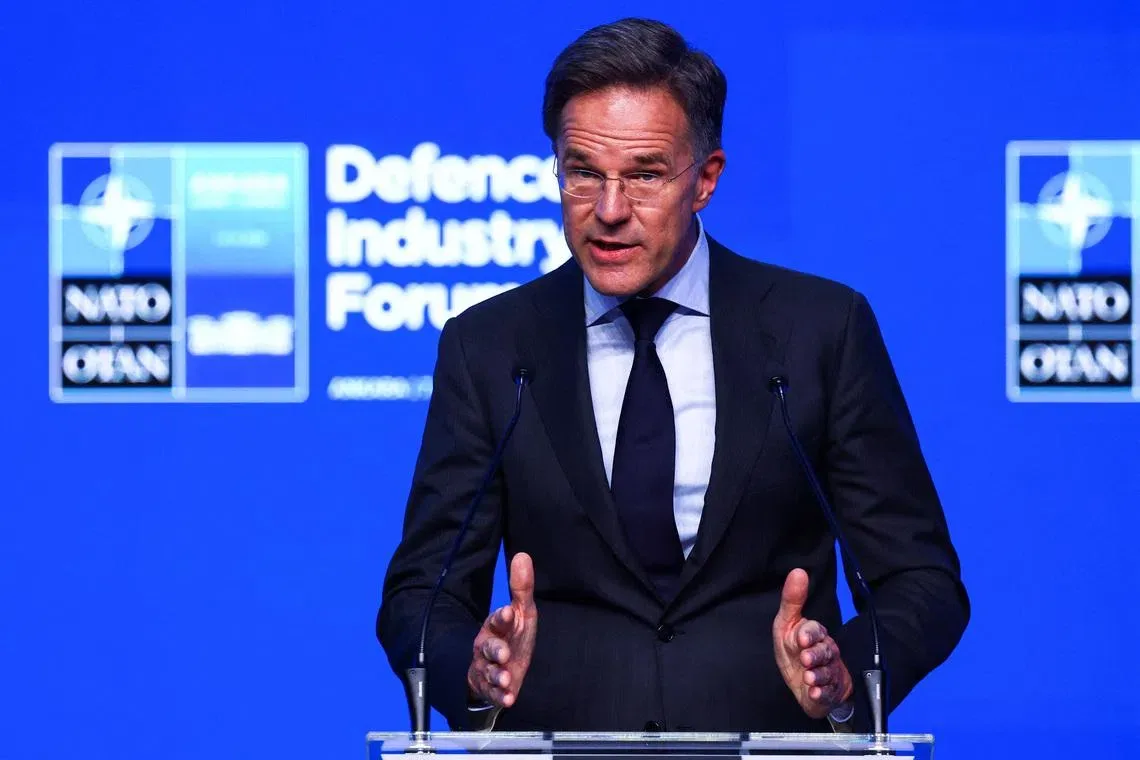
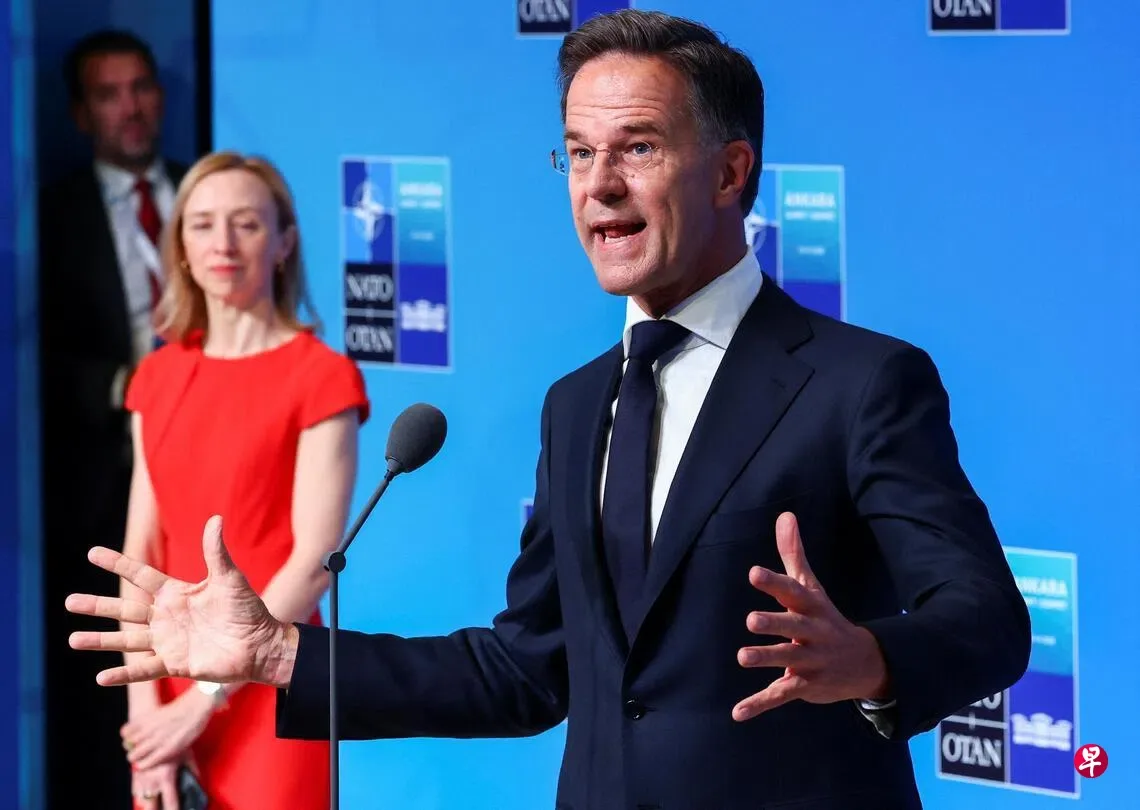
NATO Secretary General Mark Rutte said the US actions were "absolutely necessary" due to Iran violating a ceasefire agreement. He stated, "When you have a ceasefire and Iran is basically violating the ceasefire, I think it is totally crucial that the U.S. forcefully react," adding, "What you did last night was absolutely necessary. It was a very strong response. It was crucial for Israel, the region, Europe and the world" [4, 5].
Iran’s IRGC claimed to have retaliated by striking 85 US military targets in Bahrain and Kuwait and downing a US MQ-9 drone inside southern Iran [1]. Iranian parliamentary speaker Mohammad Bagher Ghalibaf accused the US of five violations of the US-Iran memorandum, citing destruction of arrangements in the Strait of Hormuz, renewed sanctions, attacks on southern Iran, and backing Israeli actions in Lebanon [1].
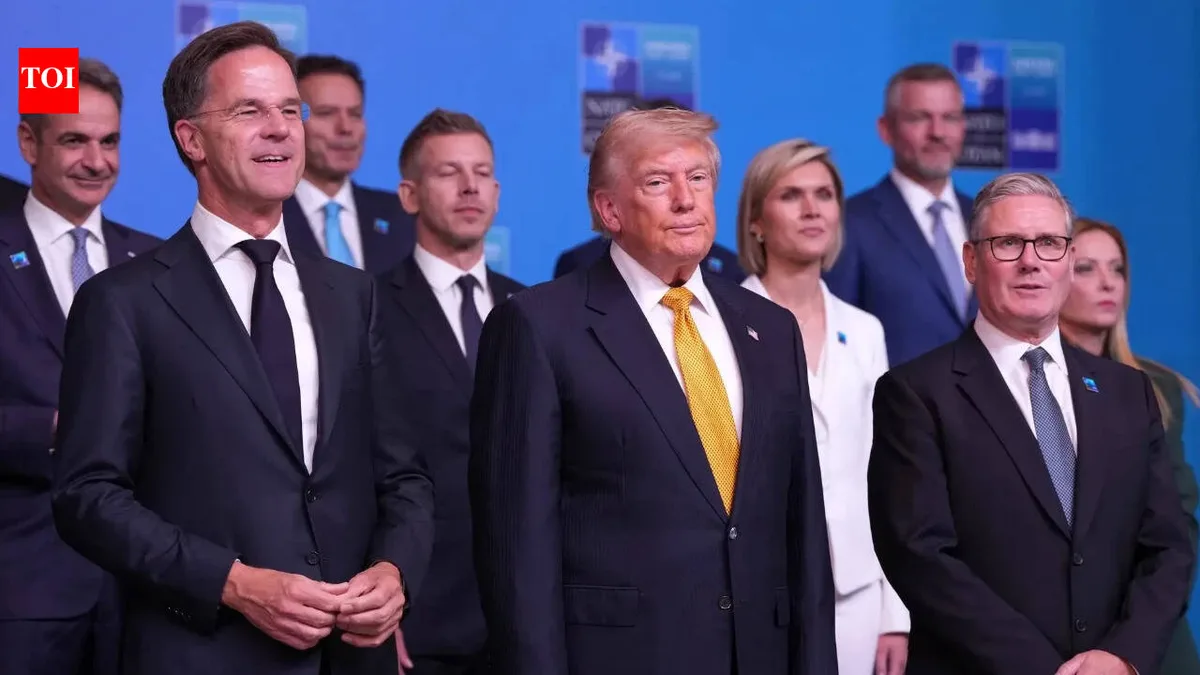
US President Donald Trump declared the Iran ceasefire "over" after the strikes. He said, "I believe the ceasefire is over. We hit them very hard last night. I told them that every time you hit, we hit. We are going to denuke Iran." Trump also reaffirmed US commitment to NATO at the Istanbul summit, telling allies, "We want to remain with you" [6, 5].
At the NATO summit in Ankara, leaders confirmed their collective defense pledge and welcomed Trump’s recommitment to the alliance despite prior tensions. European and Canadian NATO members agreed to boost defense spending to the 2% of GDP target, with Spain notably reaching that goal [4, 2, 5, 3]. However, Trump criticized some allies, including Spain, for insufficient support and ordered Treasury to cut off trade with Spain [5].
The strikes and diplomatic meetings reflect heightened tensions between the US and Iran, with NATO aligned behind American actions. NATO’s defense spending and military assistance pledges to Ukraine, totaling €70 billion ($80 billion) in 2026, were also highlighted by the alliance [6].