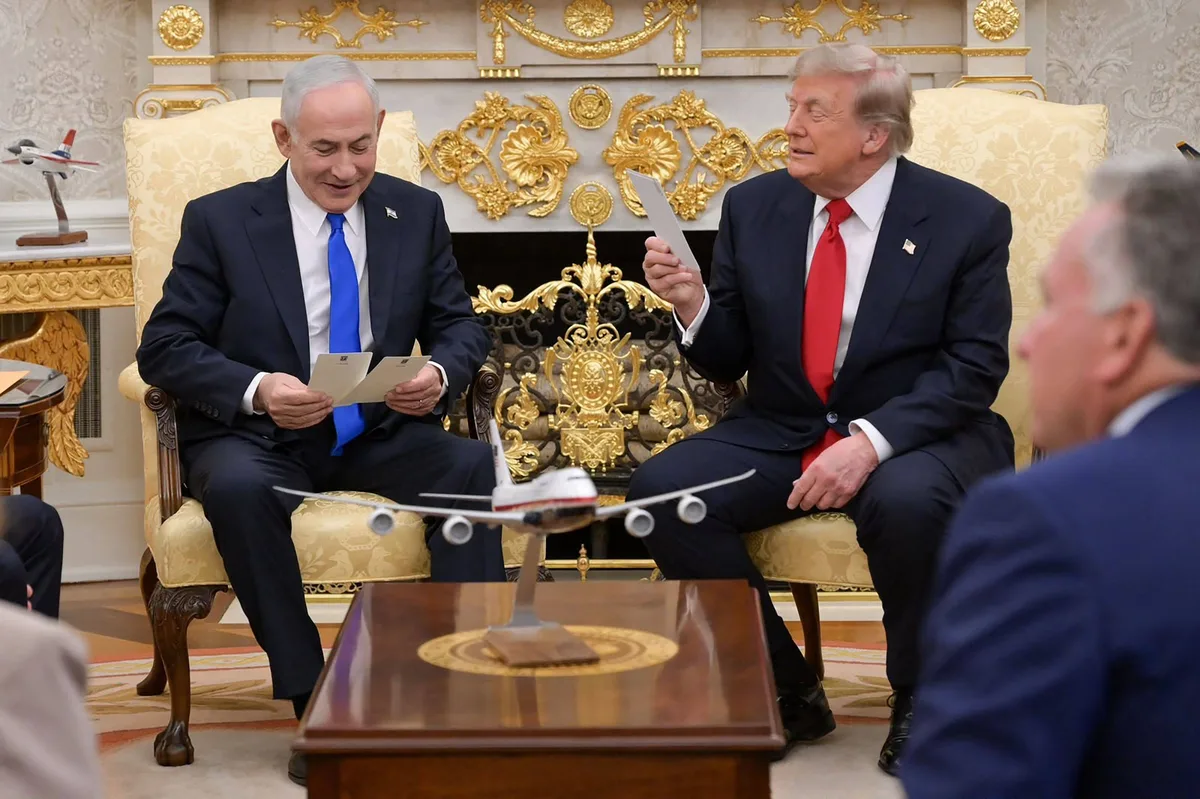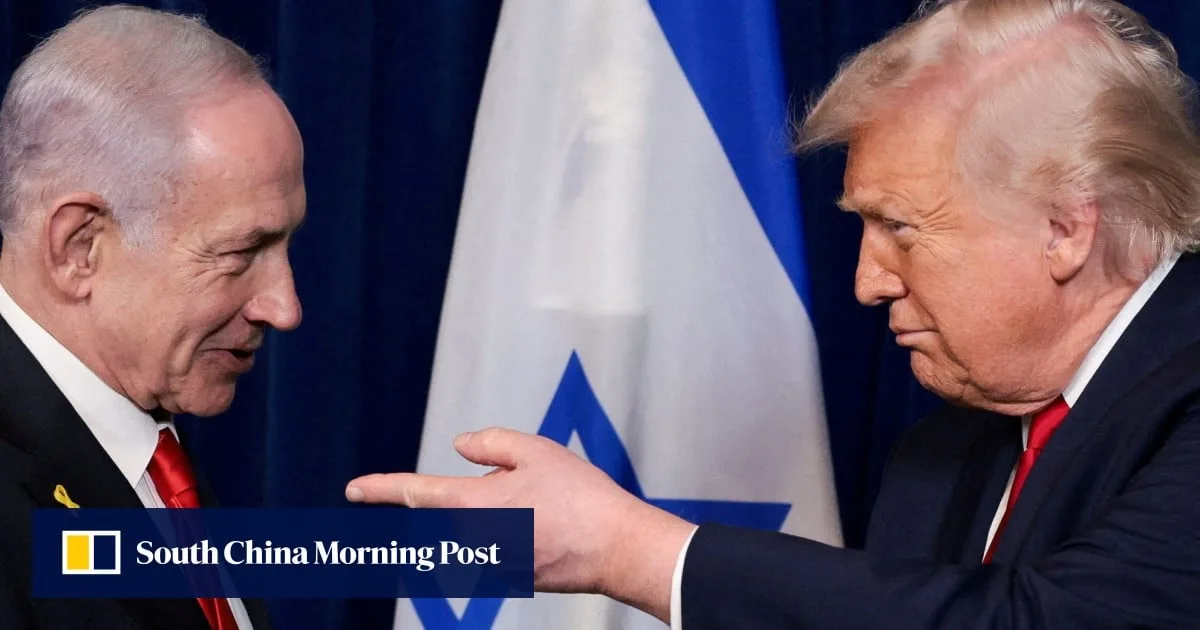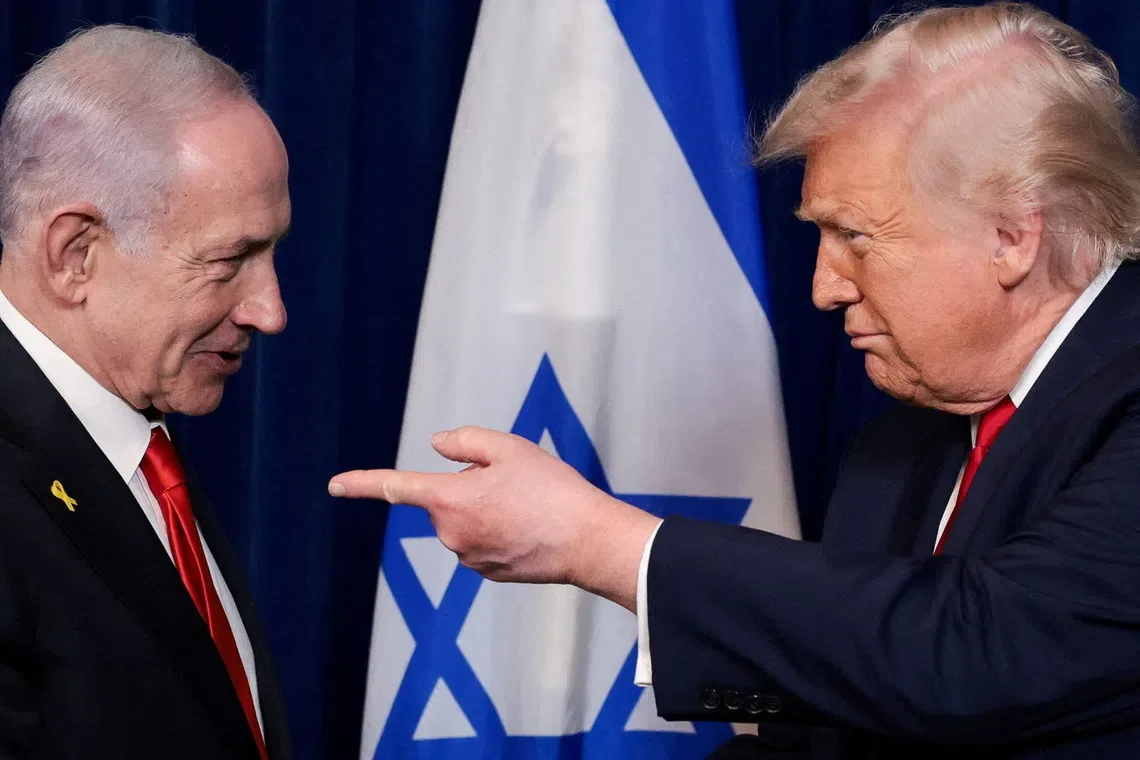
Israeli Prime Minister Benjamin Netanyahu said Israel did not agree to the US-backed Gaza plan draft and sent comments back without approval. He posted a video on August 4 stating, "We are checking this. They sent us a draft – we did not agree to it, it is not our draft. We sent our comments" [1, 2, 3, 4].
Netanyahu emphasized that Israeli forces will not withdraw from Gaza until Hamas is fully disarmed. "We will not withdraw from our current positions until Hamas is fully disarmed," he said, adding that Hamas continues to rebuild its military capabilities and poses a direct threat to Israel [5, 4].
The US-led Board of Peace asserts that Israeli withdrawal will only occur after full disarmament of Hamas, including light weapons, heavy weapons, and tunnels. However, the Board advocates for a phased approach in which disarmament and withdrawal happen in parallel, contrasting Israel’s insistence on complete disarmament before any pullback [6, 7, 5, 4].
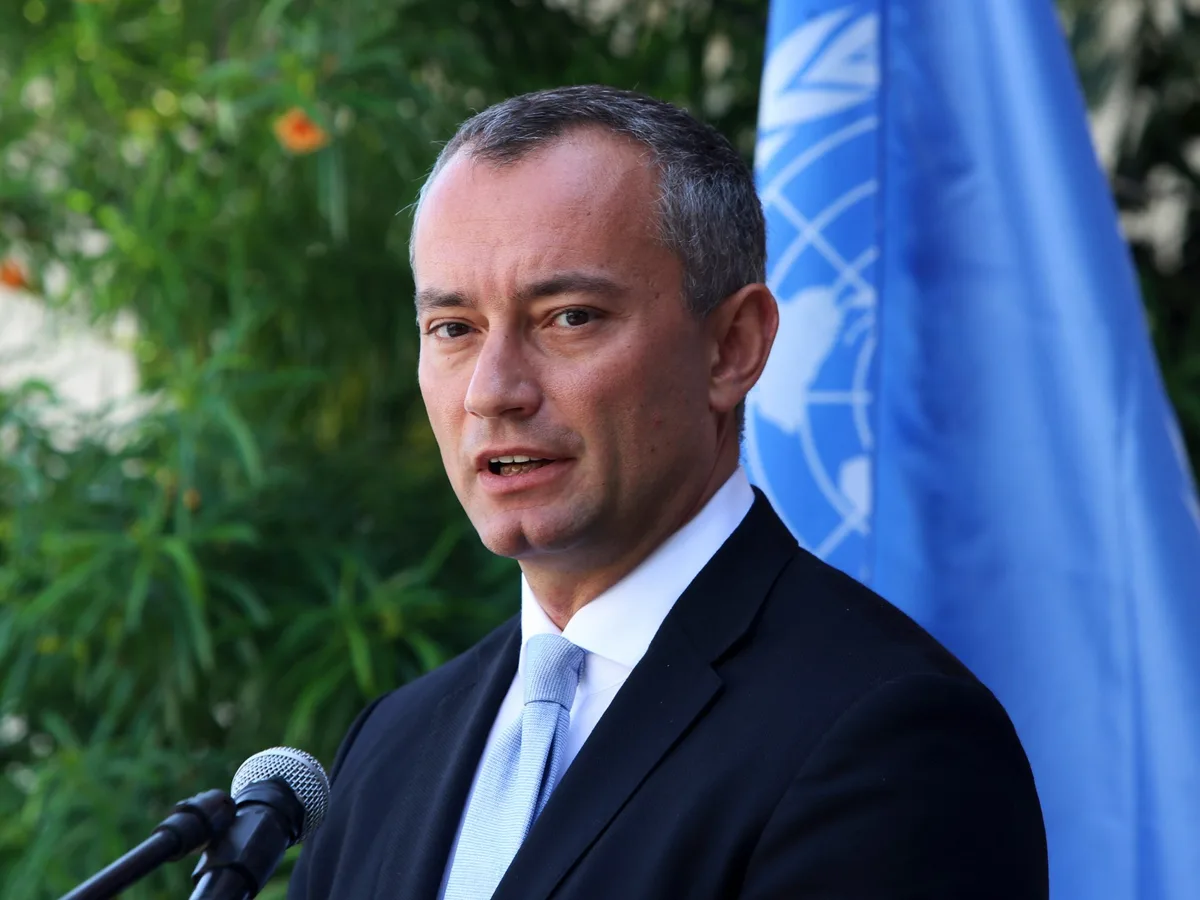
Netanyahu met with Board of Peace envoy Nikolay Mladenov on August 3 to discuss the Gaza ceasefire framework and next steps toward implementation. The roadmap includes full Hamas disarmament, Israeli withdrawal, formation of a Palestinian technocratic committee to administer Gaza, and deployment of an international stabilization force [1, 6, 8, 7, 5, 4].
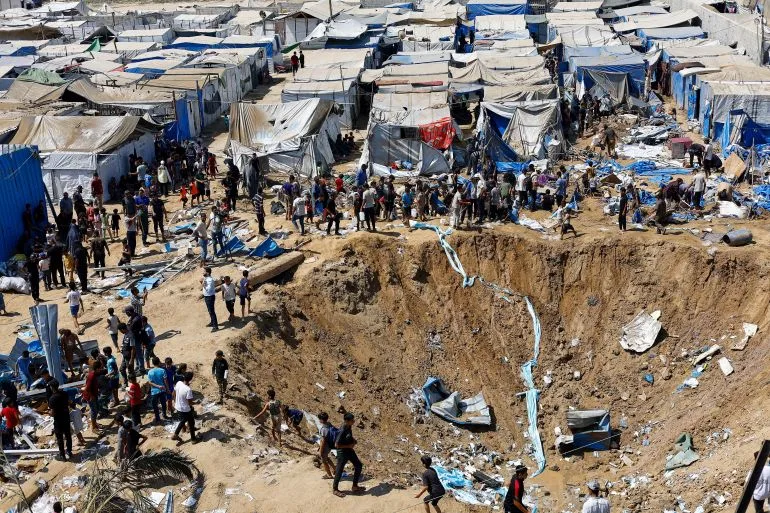
Despite a ceasefire agreement effective since October 10, 2025, Israel has continued military actions in Gaza, reportedly killing over 1,250 Palestinians since the ceasefire began. The ongoing war since October 2023 has left more than 73,000 Palestinians dead, according to Palestinian figures. Israeli forces currently occupy approximately 70% of the Gaza Strip [6, 8, 5, 4].
Within Israel, two far-right ministers, Finance Minister Bezalel Smotrich and Settlement Minister Orit Strook, have demanded a new vote on the Gaza plan. They argue the current deal differs sharply from the version initially approved by the Israeli government. Smotrich said, "The agreement was completely different to the one the Israeli government had approved, and demanded a new vote immediately" [1, 2, 3, 6].
Israel’s military demands include full freedom to eliminate threats in Gaza and control over weapons, with no withdrawal unless Hamas is completely disarmed [5]. The Board of Peace’s implementation will be overseen by the International Stabilisation Force and Verification Committee, involving US and Board representatives [7].
Israel’s security cabinet initially voted in favor of the US-backed proposal, which includes deploying international peacekeepers in Gaza. However, a scheduled security cabinet meeting on August 4 was postponed to August 6 amid political campaigning [1, 2, 3].
The next key step is the resumed Israeli security cabinet meeting on August 6 to further discuss the Gaza plan amid internal political pressure and the ongoing conflict dynamics.