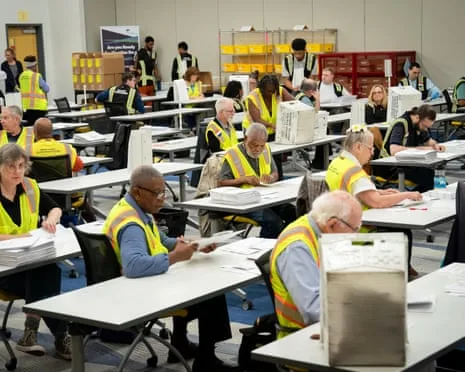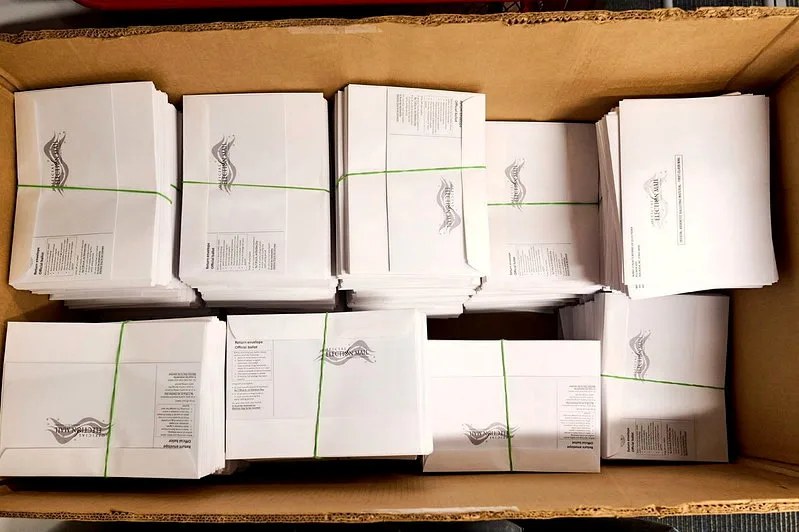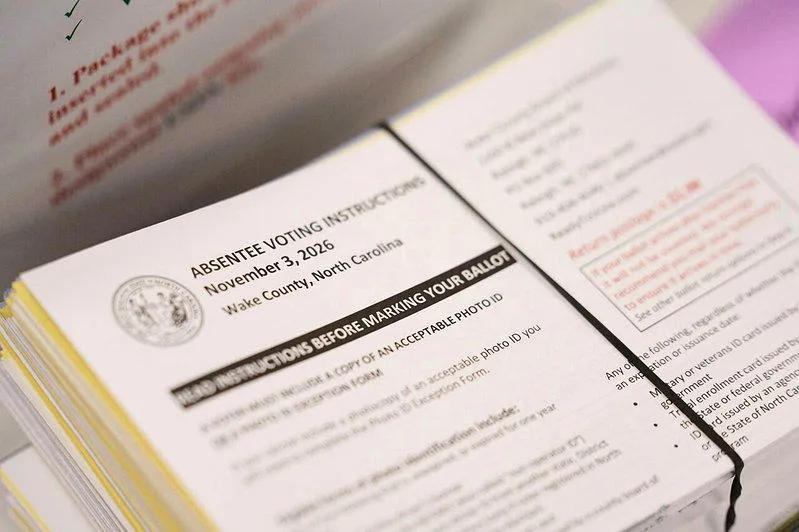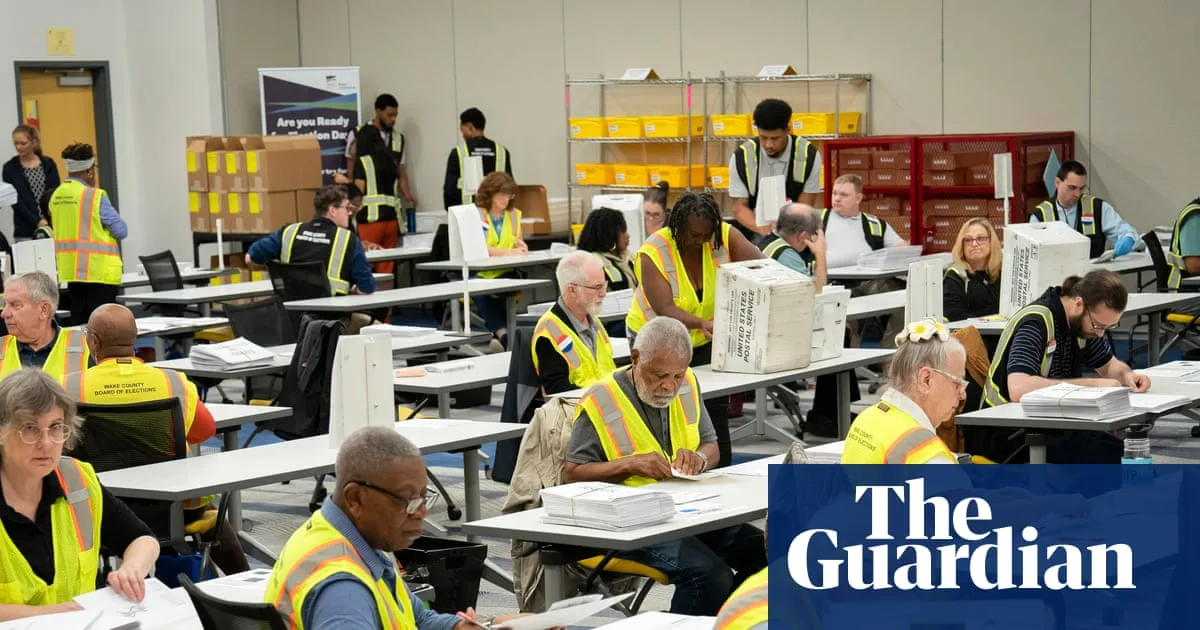
North Carolina became the first US state to send out mail-in ballots for the 2026 midterm elections on September 4, a full two months before Election Day on November 3, 2026 [1, 2, 3, 4, 5, 6, 7]. The election will decide control of all 435 House seats and one-third of Senate seats [2, 7].
The Trump administration has sought to impose new federal restrictions on mail-in voting. These include requirements to submit voter lists to USPS, use barcoded envelopes, and follow updated envelope design rules [1, 3, 4, 5, 6, 7]. However, federal courts have blocked major parts of those rules, affirming states’ constitutional authority to regulate elections. U.S. District Judge Indira Talwani cited "people's right to vote" in maintaining the blocks and said, "We're not playing an intellectual puzzle game. We're talking about people's right to vote." [1, 3]
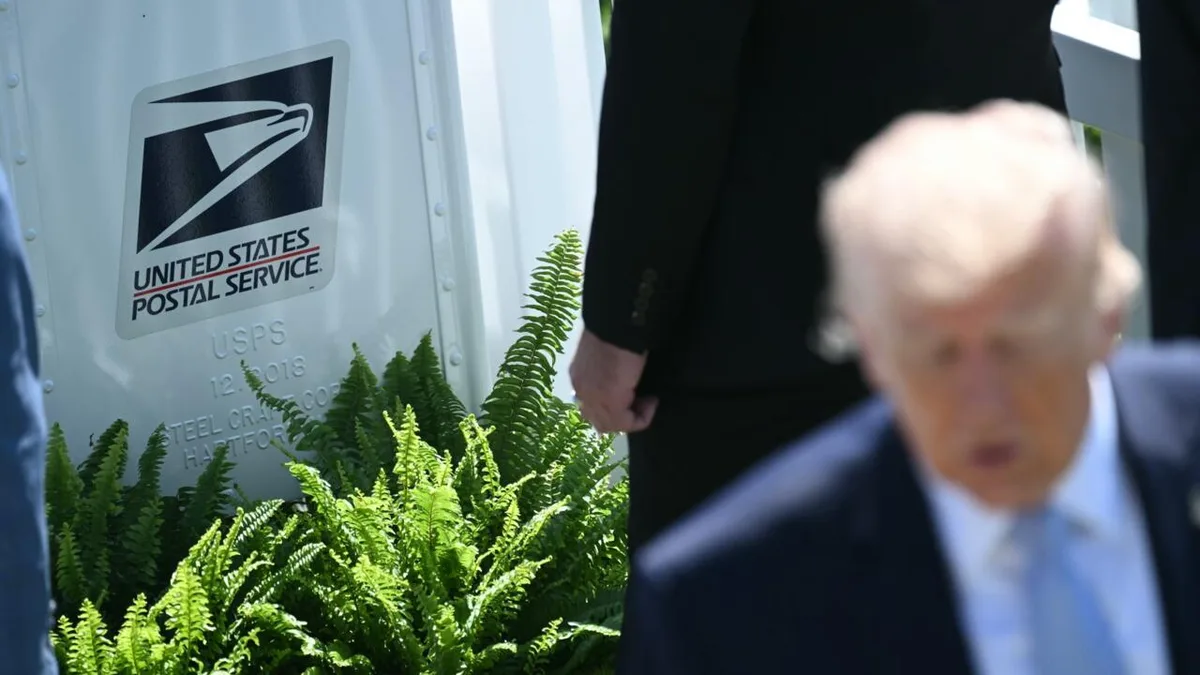
The U.S. Postal Service’s revamped ballot verification system has drawn whistleblower complaints alleging it was rushed and under-tested. Critics warn barcode problems risk disqualifying ballots [3]. Meanwhile, North Carolina election officials say they will proceed with mailing ballots on schedule despite the ongoing legal battles. Sam Hayes, executive director of the state’s election board, said they are closely monitoring litigation but have prepared to implement new restrictions if they become law to "ensure a safe election" [1, 4, 5, 6].
Other states will follow with mailings in the coming days and weeks. By mid-September, all states must send ballots to military and overseas voters [1, 5, 6]. Some states have seen an increase in mail ballot rejections linked to new USPS procedures such as remote postmarking, though the impact remains debated [5, 6].
Political forecasts show Democrats have an 80% chance of winning a House majority, with a slight advantage in seats. The Senate race is expected to be highly competitive; Republicans currently hold a 53-47 majority but models predict a possible 50-50 split, leaving Vice President Vance’s vote critical [2].
The Trump administration appealed the latest court ruling against its mail voting restrictions to the Supreme Court on September 3, maintaining their position that the rules protect election integrity despite no evidence of widespread mail-in voter fraud [1, 3, 5, 6, 7]. Critics argue the restrictions aim to suppress mail voting and disadvantage Democrats [2].
Alabama is scheduled to begin mailing ballots on September 9. All states must have mailed to military and overseas voters by mid-September, marking the next key deadline in the election timeline [5, 6].