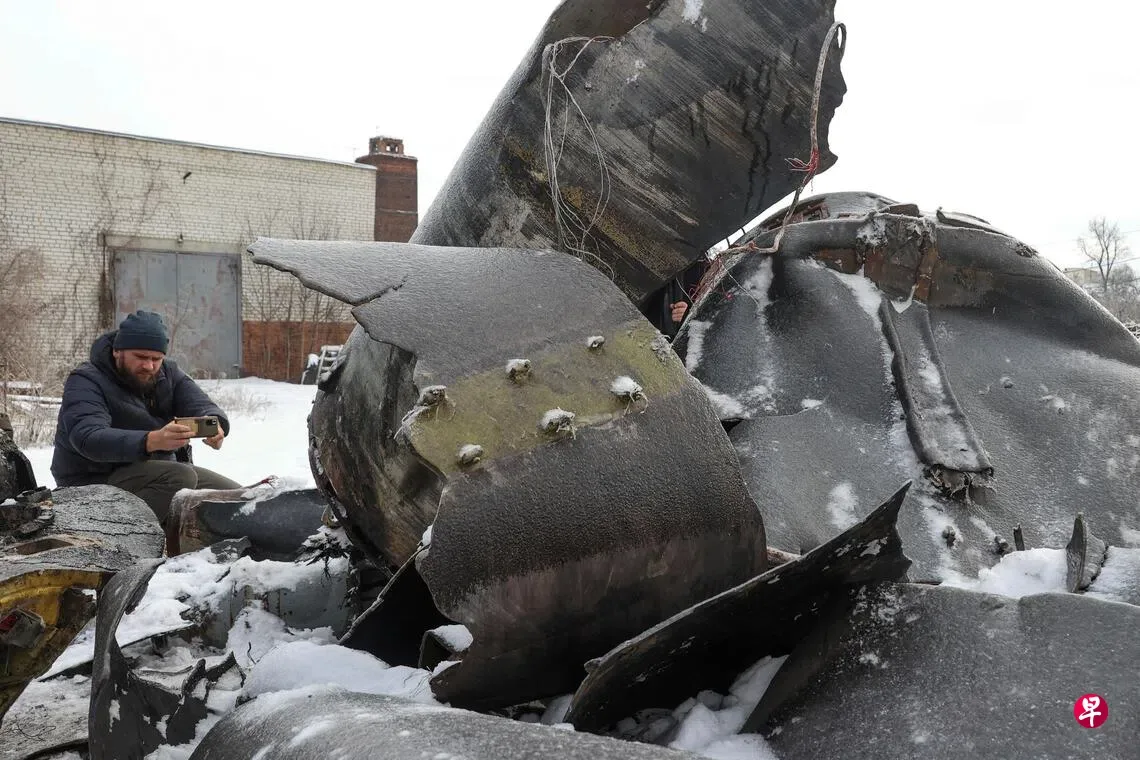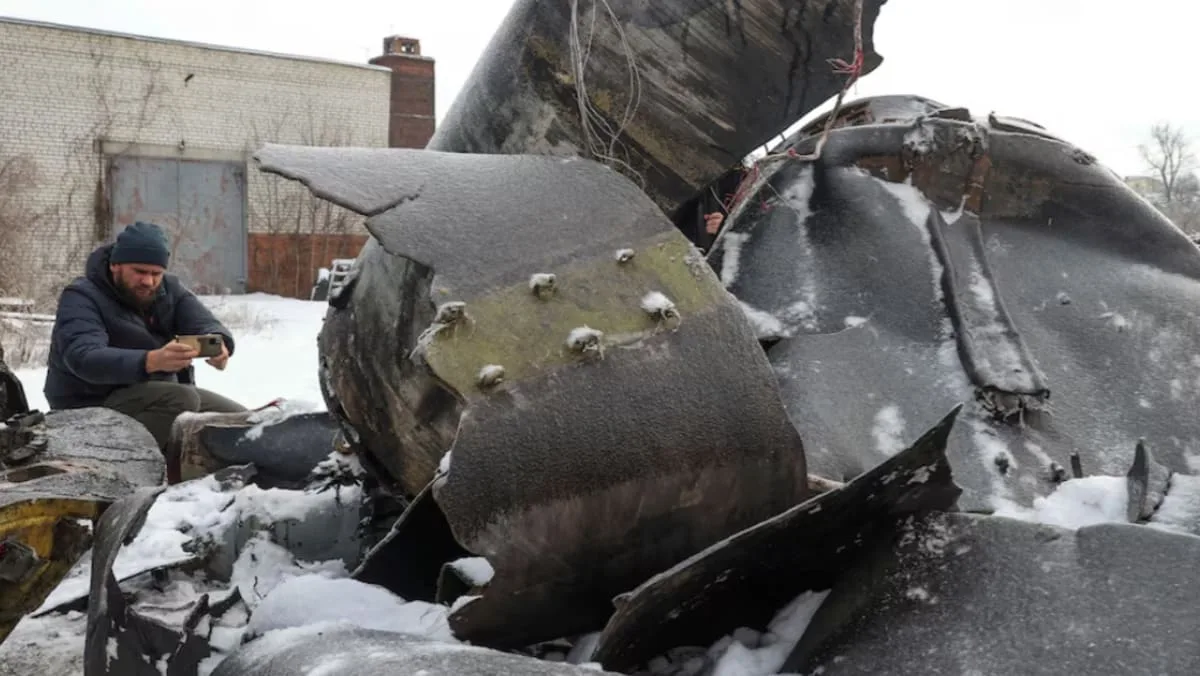
A North Korean missile unit of approximately 90 personnel has been deployed in Russia's western Voronezh region, integrated into Russia's 112th Missile Brigade to carry out missile strikes against Ukraine, Ukrainian officials said August 5 [1, 2, 3, 4, 5, 6, 7]. The unit reportedly holds about 120 ballistic missiles and six missile launchers, enhancing Russia’s strike capabilities on Ukraine [1, 3, 4, 6, 7].
Since late 2023, Russia has used North Korean ballistic missile types including the KN-23 and KN-24 in attacks on Ukraine, marking an expansion of military cooperation following a 2024 mutual defense treaty between the two countries [1, 2, 3, 4, 6, 7]. North Korean missiles generally have longer range and larger size than Russian equivalents like the Iskander but lower accuracy, which has resulted in higher civilian casualties in Ukraine [1, 4, 7].
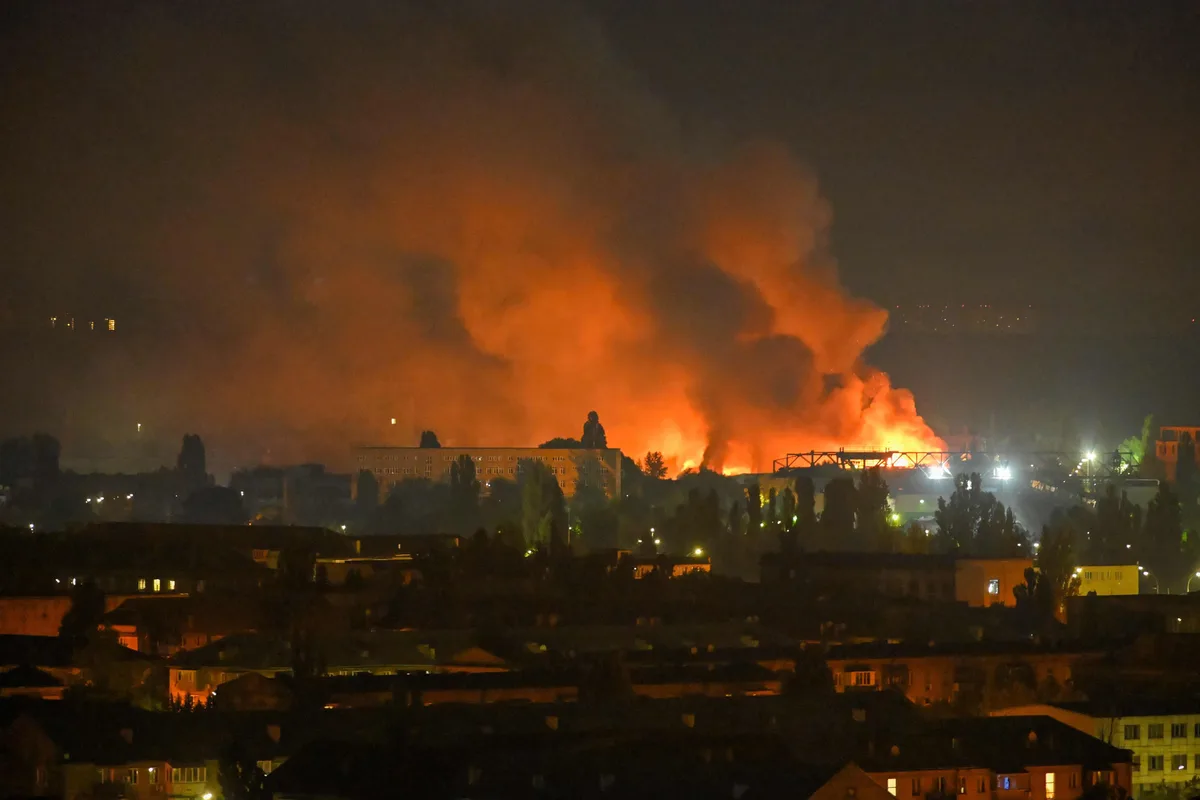
Ukrainian President Volodymyr Zelenskyy said, "If we had ballistic missile interceptors, the lives lost today could have been saved" after a July 29 Russian strike near Kryvyi Rih, likely with North Korean missiles, killed at least five civilians [1]. On August 4-5, Russia launched a major missile and drone attack on Kyiv and surrounding areas using 24 ballistic and four Zircon cruise missiles, killing at least 17 people [1, 6].
Experts warn that Ukraine critically lacks modern ballistic missile defense systems, including Patriot interceptors, leaving the country vulnerable to these North Korean munitions. Researcher Rob Lee said, "Ukraine's biggest vulnerability is insufficient ballistic missile defenses; increases in missile numbers pose greater threats to Kyiv" [1].
Ukrainian Foreign Minister Andriy Sybiha stated, "If North Korean missile systems are deployed on the territory of the Russian Federation, they will become legitimate targets for the Ukrainian military" [5]. The United States is aware of the deployment but has made no public comment, while Russia and North Korea have not confirmed it [3, 4, 5, 7].
Reports indicate North Korea recently sent about 40 missiles and associated personnel, with final details of the deployment to be addressed in high-level talks expected next month [3, 6]. Previously, North Korea deployed roughly 14,000 soldiers in Russia’s Kursk region to counter a 2024 Ukrainian incursion and supplied millions of artillery shells to Moscow [4, 6, 7].
The next scheduled step is a series of talks in September 2026 aimed at finalizing the details of North Korea’s missile deployment in Russia [3, 6].