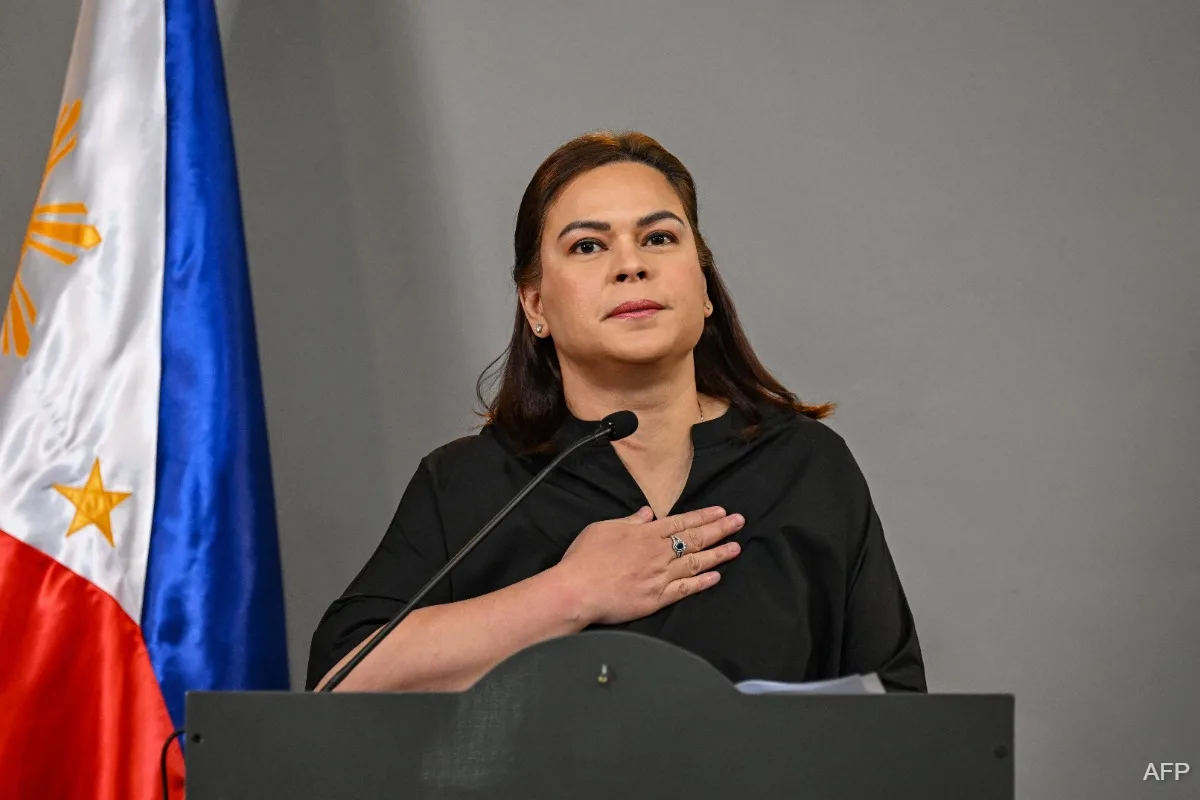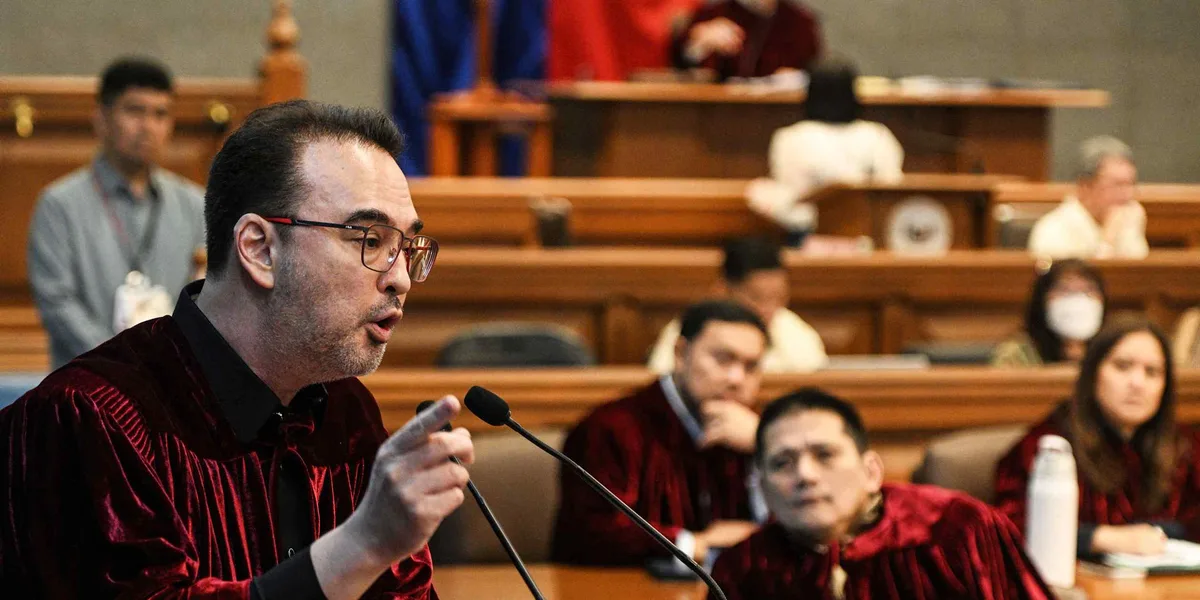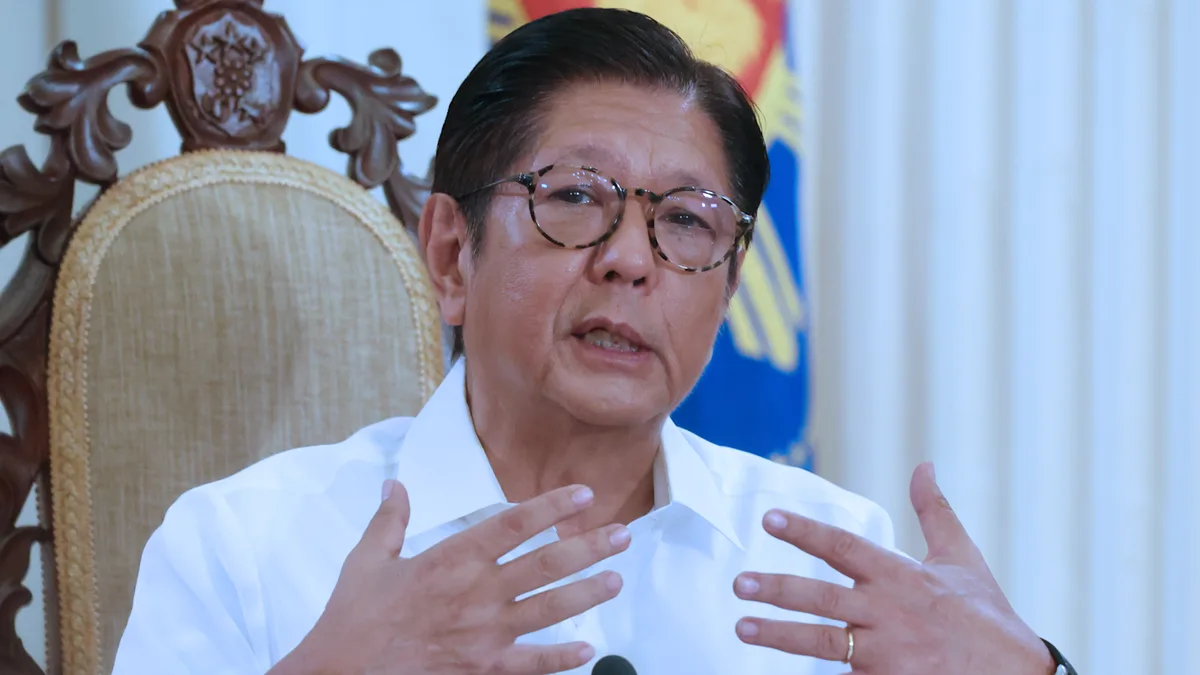
The Philippine Senate commenced the impeachment trial of Vice President Sara Duterte in Manila on July 6, 2026 [1, 2, 3, 4]. The charges allege that Duterte misused public funds, amassed unexplained wealth, bribed officials, and threatened to assassinate President Ferdinand Marcos Jr. and other officials [2, 3, 4, 5, 6, 7, 8, 9, 10]. This is the first impeachment trial of a Philippine vice president in the country’s history [7].
Duterte denies all accusations and says the impeachment is politically motivated [2, 3, 4, 5, 11, 7, 8, 9]. Her legal counsel stated, "We, her lawyers, are here...to prove the allegations against her have no basis," emphasizing their defense approach [4]. Despite the trial, Duterte remains a leading contender for the 2028 presidential election, with polls showing about 51% voter support [4, 5, 8, 9]. She did not appear in person at the trial and is represented by legal counsel [4, 5, 8, 9].
The impeachment articles list graft, corruption, bribery, and alleged assassination plots targeting Marcos and other officials [4, 7, 8, 9, 10]. The charges follow the Philippine House of Representatives' impeachment on May 11, 2026 [4, 9]. The trial could last several months; prosecutors requested 62 days to present evidence [2, 3, 4, 9].
Security was heightened on the trial’s opening day, with thousands of police deployed around the Senate amid expected protests and tensions [4, 11, 8, 9]. Adding to the drama, Senator Rodante Marcoleta, an ally of Duterte, was arrested on corruption charges hours before the trial began, weakening Duterte’s position in the Senate [4, 7, 9].
Senate conviction requires a two-thirds vote, meaning at least 16 of the 24 senators must agree to remove Duterte from office [1, 2, 3, 4, 8, 9]. If convicted, she could be barred from running for president in 2028 [1, 2, 3, 4, 8, 9].
The trial reflects a political fallout between the Duterte and Marcos families, who were former presidential and vice-presidential running mates turned rivals [2, 5, 7, 8, 10]. Sara Duterte is the daughter of former President Rodrigo Duterte, whose administration faced international scrutiny over its anti-drug campaign [5, 7, 10].
Political analyst Ederson Tapia noted, "If it is seen as politically motivated or lacking credibility, questions may linger regardless of the outcome" but added, "If the public perceives the process to have been fair, an acquittal could strengthen her position" [2, 3]. Another lawmaker said, "That is to be expected. We will let the evidence speak for itself" [2]. Meanwhile, historian Jean Encinas-Franco said, "Philippine democracy is also on trial here. The public will want to be assured that the proceedings are completed and legitimate" [5].
The Senate trial is ongoing, with further hearings and evidence presentations expected to continue over the coming months.