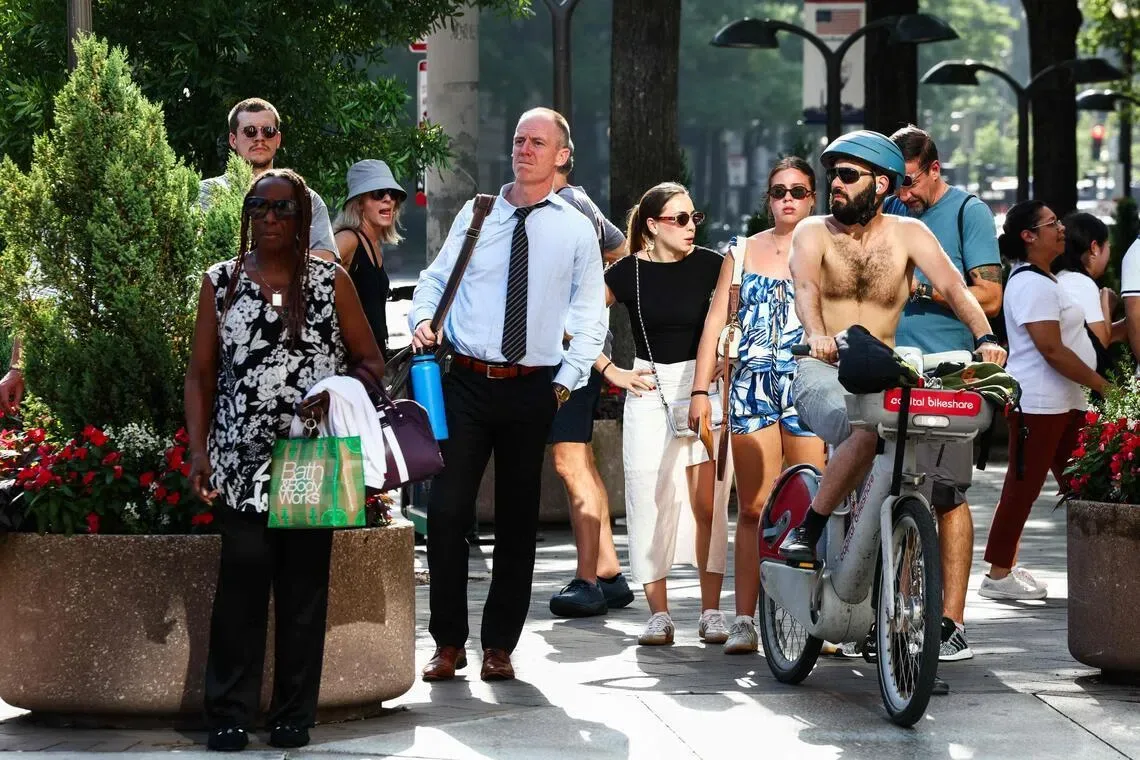
A prolonged heat wave struck New York City and the eastern United States in early July 2026, pushing temperatures above 38°C with heat indexes surpassing 43°C (110°F) [1, 2, 3]. On July 2, heat records broke with temperatures reaching 40°C at LaGuardia Airport and Newark, while Washington, DC hit 39°C [1].
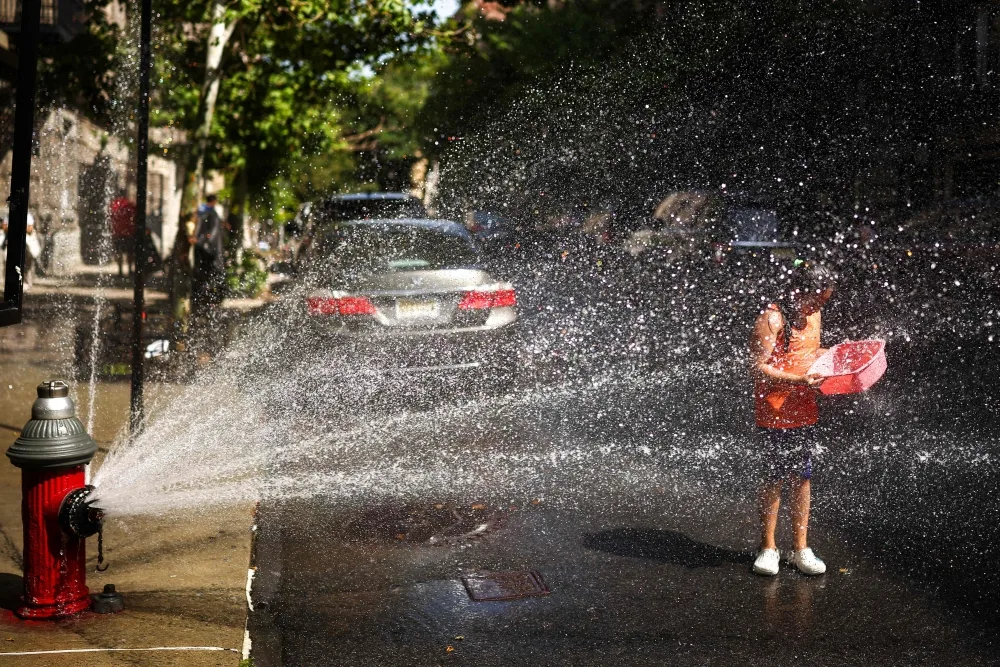
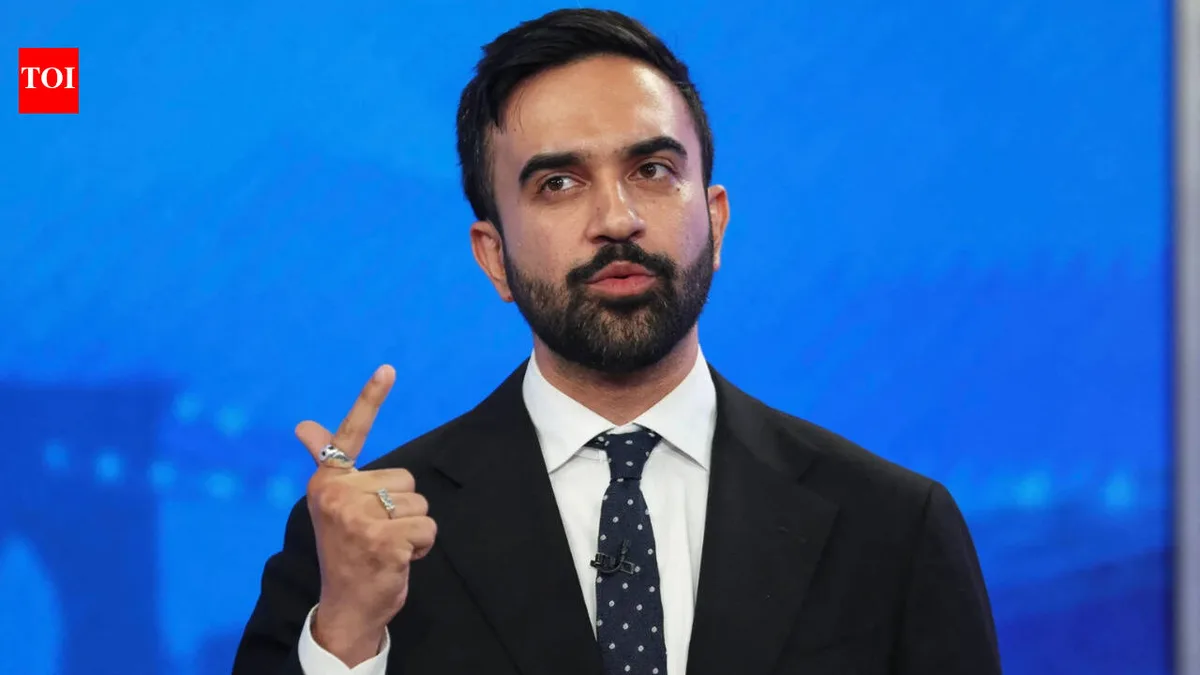
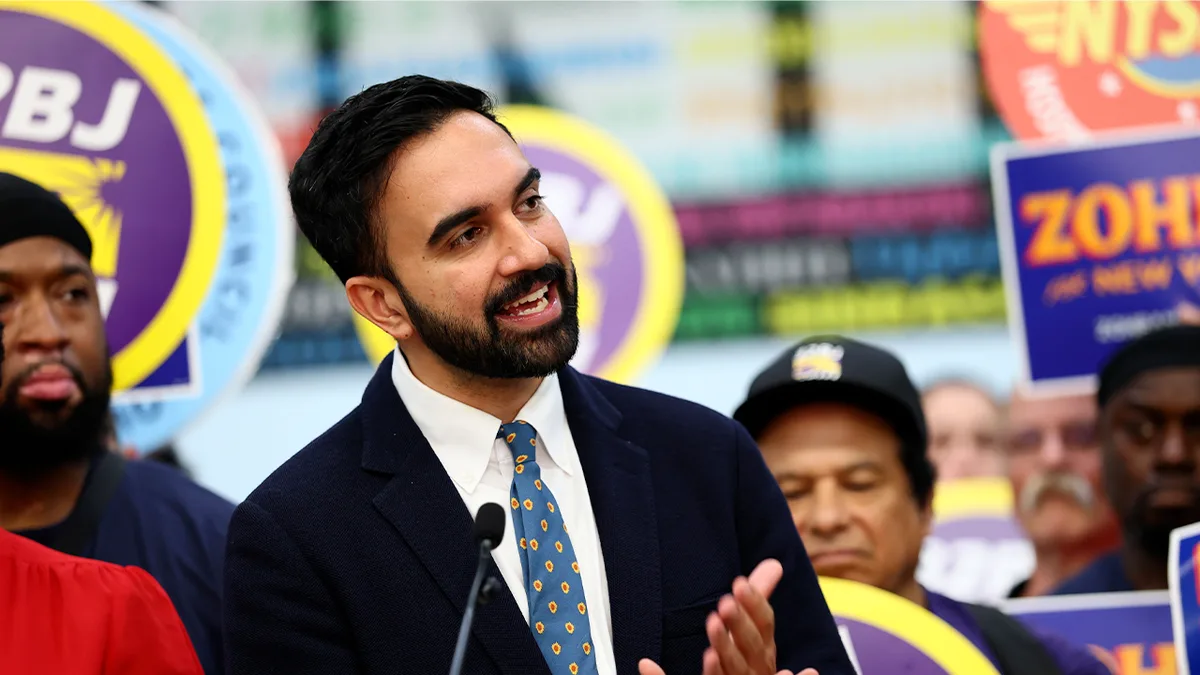
City authorities responded by opening fire hydrants and public cooling centers, extending pool hours, and sending volunteers to check on vulnerable residents [1, 2, 3]. Mayor Zohran Mamdani urged residents to set air conditioners to 78°F (25.6°C) to ease strain on the electrical grid, turn off unused lights and electronics, and conserve energy [4, 3, 5, 6]. He tweeted, "New York: it's hot out there, and the power grid is working overtime to keep us cool. Set your AC to 78 degrees, turn off lights/electronics you're not using, and unplug what you can... A stable grid means the AC stays on, and lives are saved" [4].
At the same time, Mamdani warned people to stay hydrated, check on vulnerable neighbors, seek air conditioning, and locate cooling centers [4, 3]. The heat wave caused asphalt to soften and melt on some city streets [2].
New York State officials, led by Governor Kathy Hochul, closely monitored the state's electrical grid amid soaring power demand from air conditioners. Hochul said, "New York State is in the midst of a prolonged heat wave, and we've been carefully monitoring our electrical grid to ensure it is able to withstand the increase in energy usage and keep New Yorkers safe" [3]. Coordination involved state officials, utilities, and city leaders to manage electricity loads [3].
More than 500 New Yorkers died from heat-related illnesses last year, underscoring risks amid such extreme temperatures [3]. However, Mayor Mamdani's call to limit AC temperatures sparked political backlash. Republican politicians and conservative commentators criticized the request as socialism or communist [4, 5]. Social media users questioned the practicality of urging seniors to stay cool and hydrated while keeping ACs set at 78°F [6].
On July 3, New Yorkers opened fire hydrants to cool streets as heat indexes reached 43.9°C (approx. 110°F) [2]. The social media response to Mamdani’s AC setting tweet garnered 36.5 million views illustrating high public engagement and controversy [5].
The heat wave began intensifying on July 1 and prompted the activation of New York City's Emergency Heat Plan on July 2, which included opening cooling centers and extending pool hours [1, 3]. Governor Hochul confirmed ongoing grid monitoring the same day [3]. Mayor Mamdani’s appeals for energy conservation started July 2 and continued as temperatures remained dangerously high [4, 3, 5, 6].