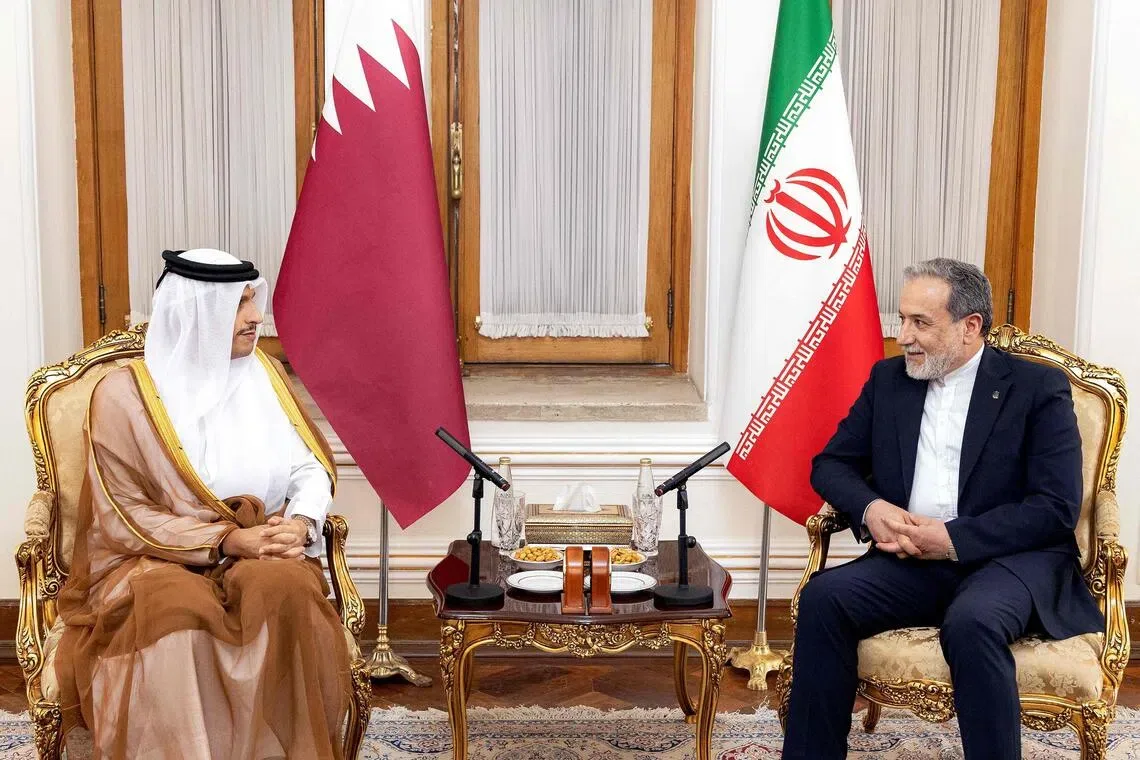
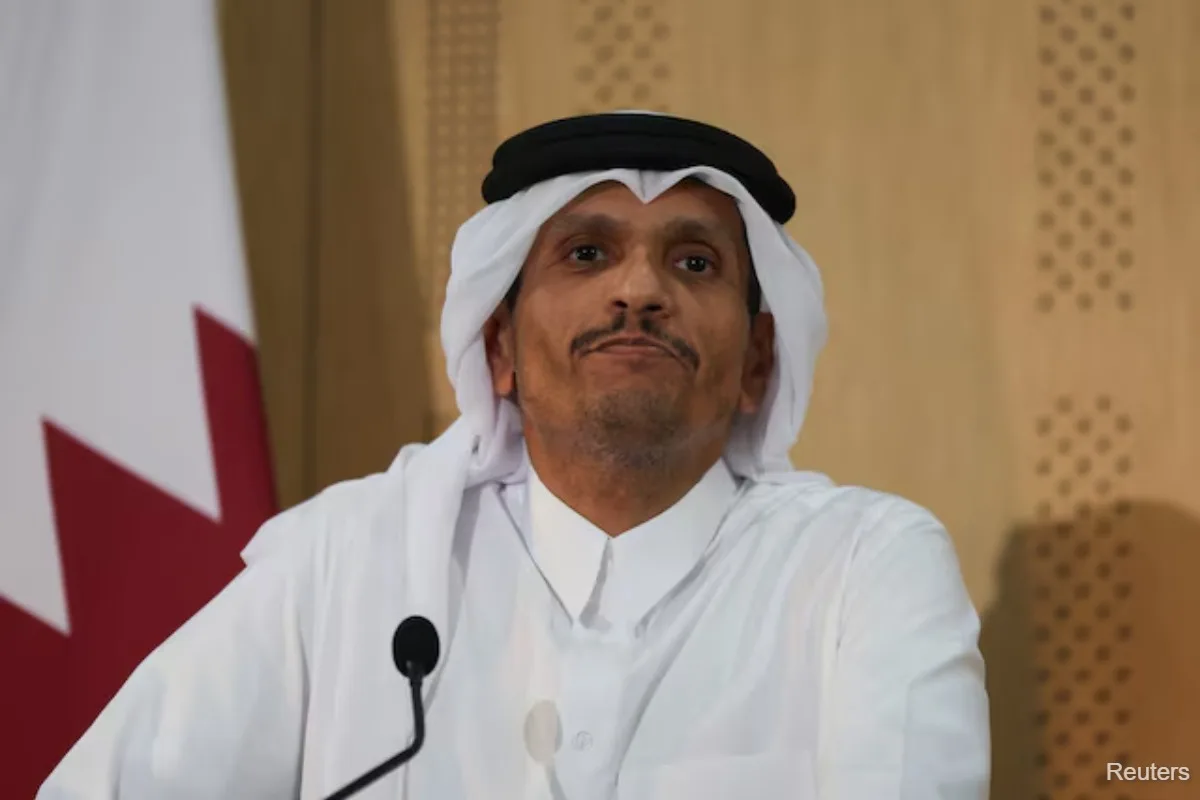
Qatar's Prime Minister Sheikh Mohammed bin Abdulrahman Al Thani arrived in Tehran on August 27, 2026, to pursue mediation efforts aimed at de-escalating hostilities between Iran and the United States as the regional war drags on [1, 2, 3, 4, 5, 6, 7, 8, 9, 10, 11].
The visit seeks to relaunch diplomacy after the US announced plans to tighten sanctions targeting Iran's trade partners, increasing economic pressure [1, 2, 3, 5, 6, 7, 8, 9, 10, 11]. Qatar has previously acted as a back-channel negotiator, helping secure a ceasefire and a memorandum of understanding (MoU) between the US and Iran in June. However, that agreement collapsed by July amid disagreements, particularly over control and revenue sharing of the strategically vital Strait of Hormuz [1, 2, 3, 5, 6, 7, 10, 11].
Iran and Oman reportedly reached an initial understanding on sharing the Hormuz waterway and related revenues, although details are still being finalized [1, 2, 10]. The Strait of Hormuz is a crucial chokepoint through which nearly one-fifth of the world's oil passed before the conflict began on February 28, 2026 [1, 2, 3, 10]. Since the war's start, oil flows through the strait have plunged from about 20 million barrels per day to a three-month low near 5 million barrels per day as of August 24 [1, 2, 3, 10].
Despite losing significant conventional forces, Iran retains missile and drone capabilities to target Gulf neighbors hosting US bases and disrupt tanker traffic [1, 2, 3, 10]. The UN International Maritime Organization has reported 70 incidents in the Strait of Hormuz since February 28 that killed 19 seafarers [1, 2, 10]. Meanwhile, the US Central Command has not reported any military attacks on Iran for nearly a month as of late August [1, 2, 10].
Iran faces a petrol shortage worsened by a US naval blockade that restricts imports amid limited domestic production [7, 8]. Iranian officials have condemned US sanctions as "all-out economic war" and "economic terrorism" that harm civilians by blocking access to essential goods, including food, medicine, and energy [3, 5]. Iranian Foreign Minister Abbas Araghchi said the sanctions violate fundamental rights, including the rights to life and adequate living standards [5].
US President Donald Trump told Al Jazeera the same day he is "not in a hurry" for talks with Iran and considers economic and military measures effective. He said, "I have no time schedule; whatever it takes" [4, 5].
Sheikh Mohammed's Tehran visit represents Qatar's renewed efforts to break the deadlock and reduce tensions through diplomacy. No immediate breakthrough was reported as talks began, but Qatar remains a key back-channel broker. The situation around the Strait of Hormuz and the wider Gulf region remains critical.
The next milestone will be closely watched as details of the Iran-Oman Strait agreement are expected to be further negotiated, and US-Iran contacts continue amid shifting sanctions and security dynamics.