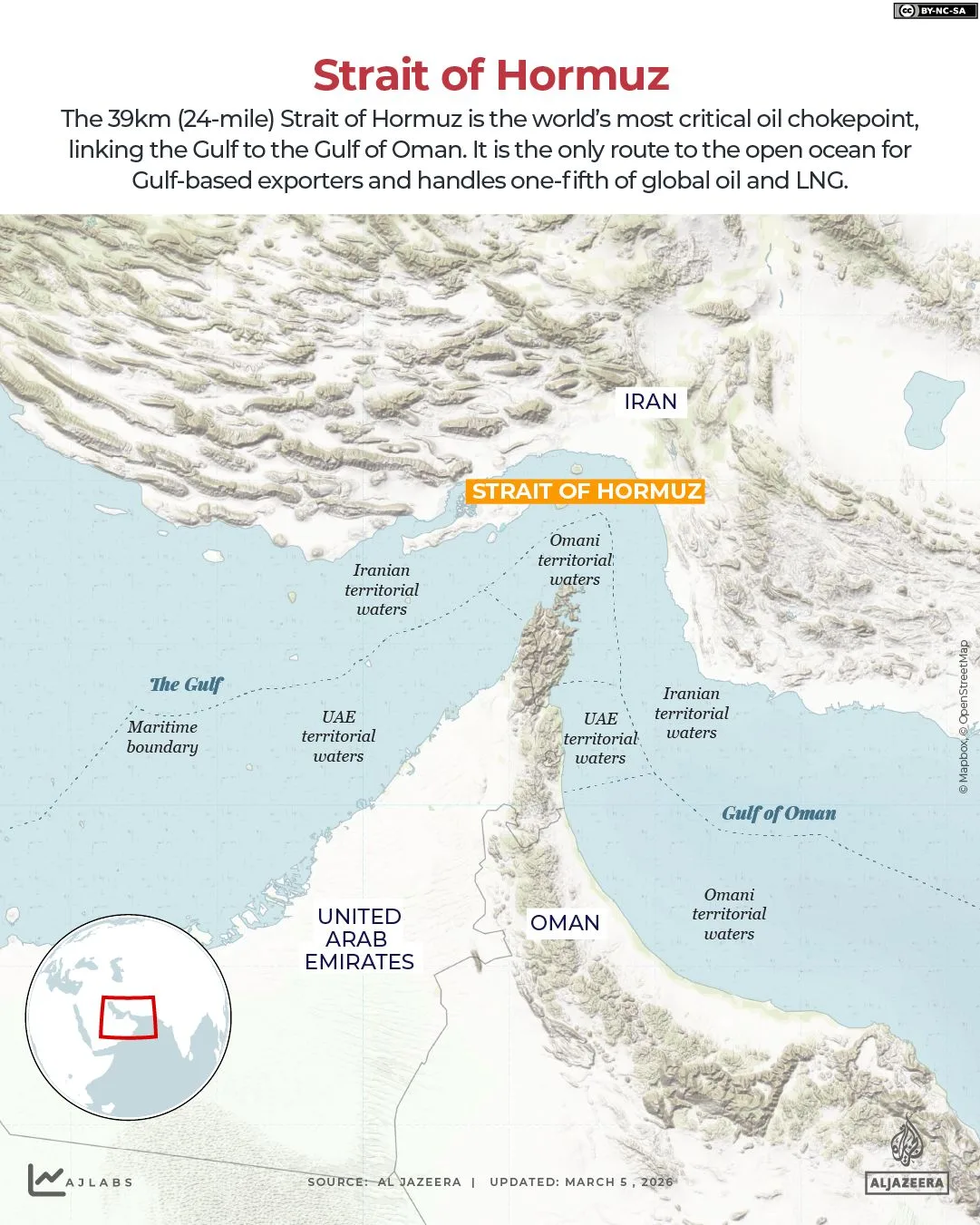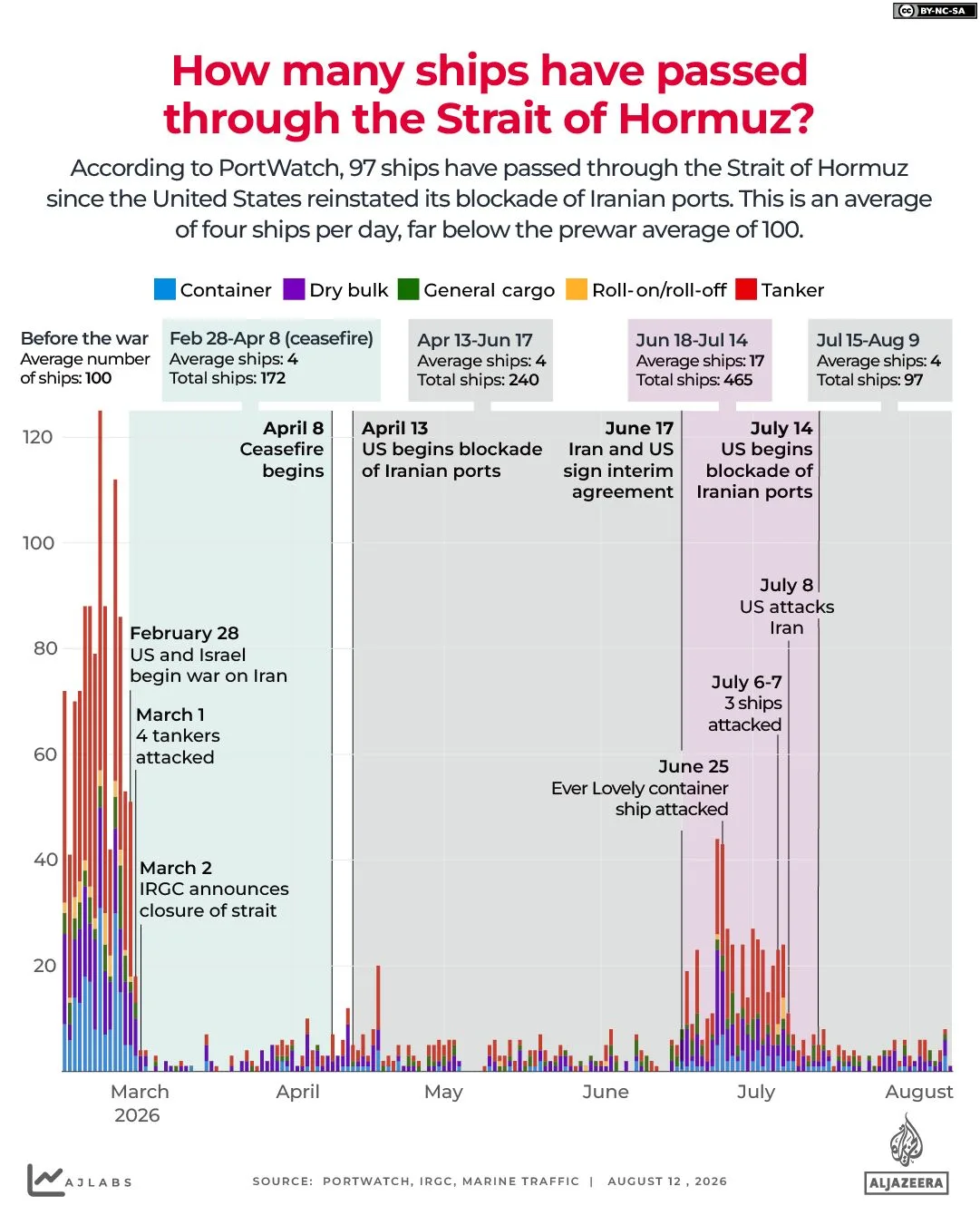
Iran maintains its blockade of the Strait of Hormuz, declaring the vital waterway will stay closed unless the US accepts Iran's conditions, including releasing frozen assets and resolving regional conflicts, according to Iranian officials on August 11 and 14 [1, 2, 3]. Iran’s Deputy Foreign Minister Kazem Gharibabadi said, "This strait will be opened and closed only under Iran’s command, and so long as you do not accept the reality of defeat and stop indulging in fantasies, Iran will continue to enforce the blockade" [3]. Hojjatoleslam Hossein Taeb, IRGC Basij commander, also said the Strait is under Iran's management and control [2].
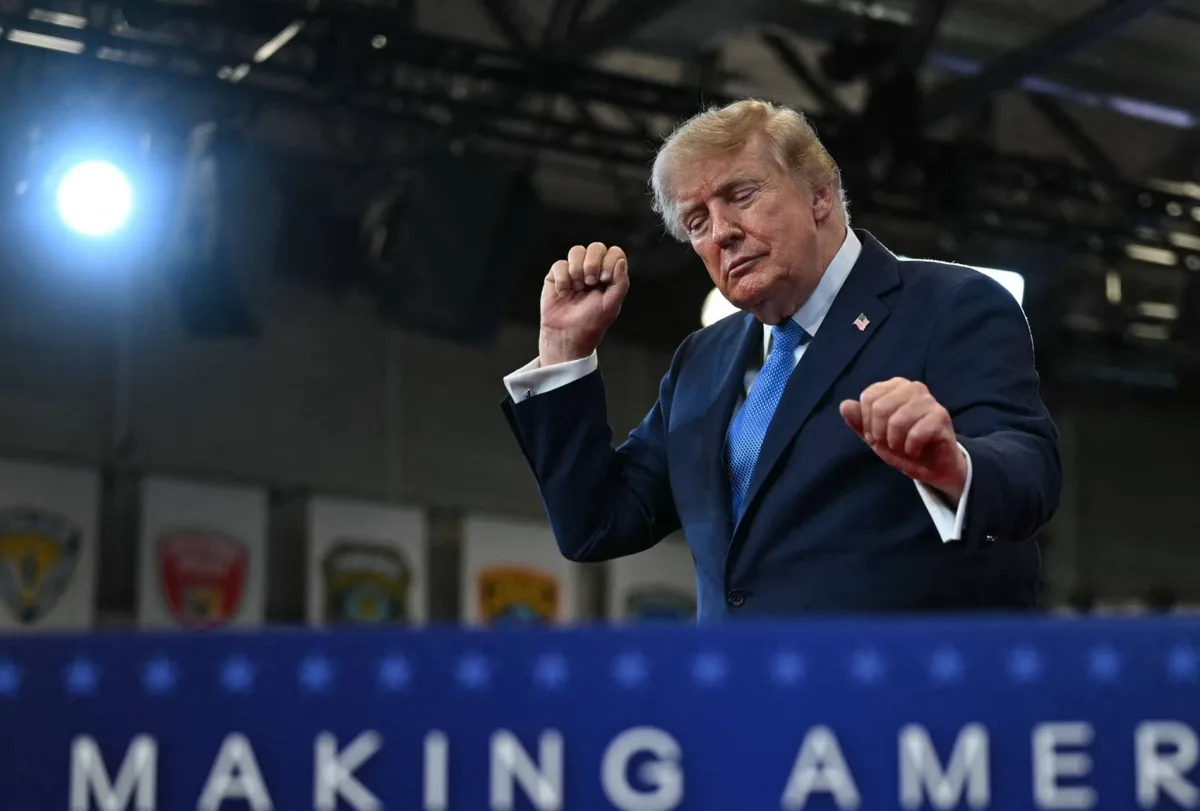
The US rejects Iran's position. President Donald Trump asserted on August 10 that the US is in "total control" of the Strait of Hormuz and demanded Iran pay compensation for five decades of conflict [1, 2, 3]. Trump’s claim contradicts Iran’s stance, deepening the standoff between the two nations [1, 2, 3].
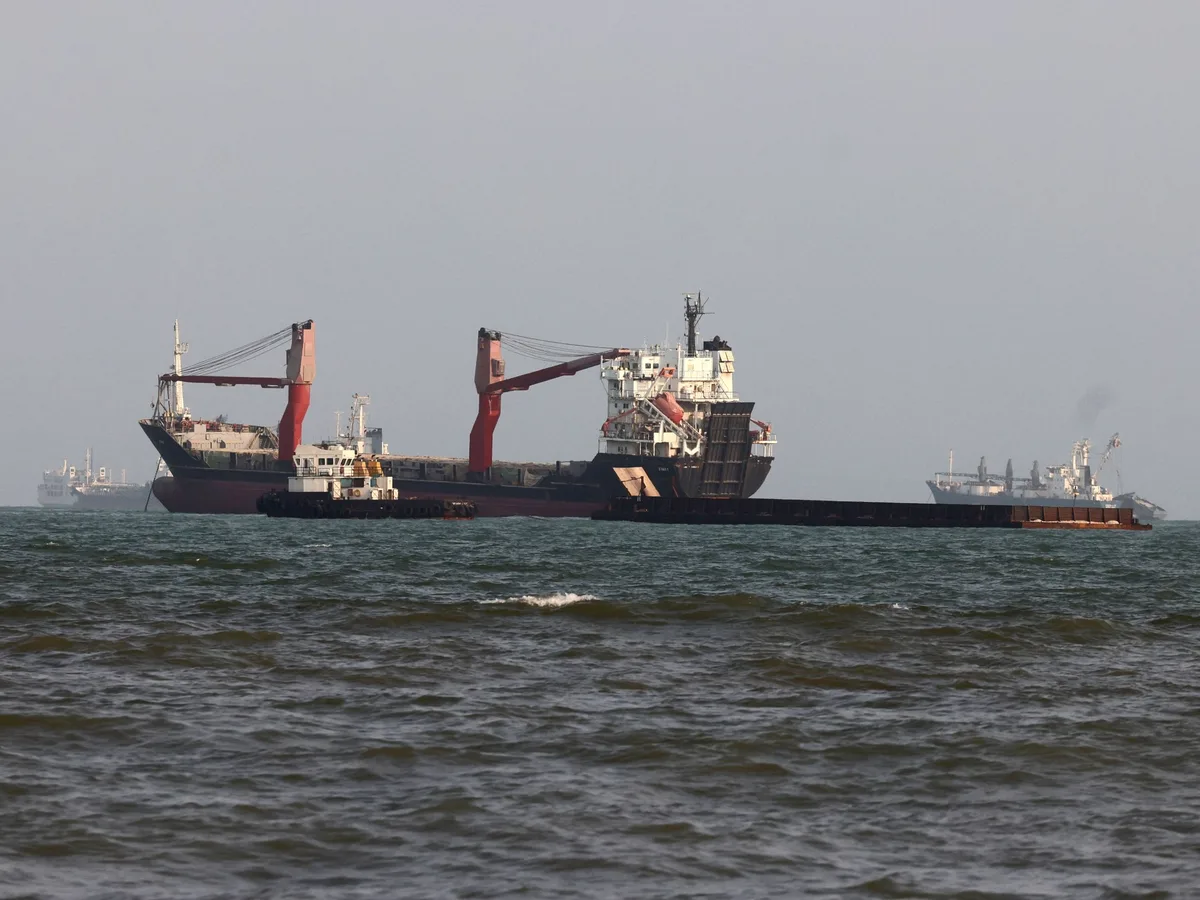
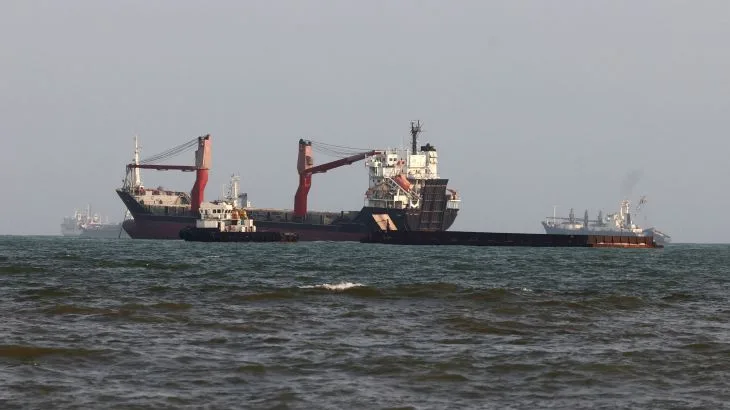
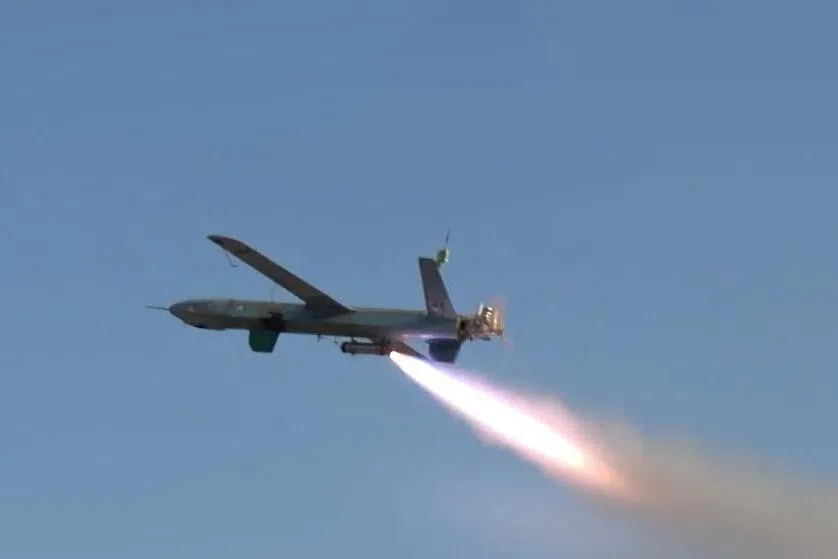
Violence escalated on and near August 11 with a Houthi attack on a cargo vessel in the Bab el-Mandeb Strait. The assault killed four crew members and two Yemeni rescuers, intensifying fears of instability in crucial maritime routes [1]. Around the same time, the US military disabled the steering gear of a Panama-flagged cargo ship near the Gulf of Oman after it violated a US naval blockade of Iranian ports, firing Hellfire missiles from a helicopter in the process [1, 2].
These incidents contributed to a rise in oil prices. Brent crude closed at $88.91 per barrel, while US crude reached $83.20 per barrel, reflecting market concerns about supply disruptions amid the renewed tensions [1].
Iran’s Abbas Araghchi sharply criticized US intelligence failures and actions in the Strait on August 13, emphasizing continued hostility between the countries [2]. The US-Iran talks toward a peace deal have stalled with no progress, as both sides remain entrenched in maximum demands [1, 2, 3].
The most recent statements and military actions signal that control over and access through the Strait remain contested with no resolution in sight. The blockade and attacks are likely to continue until diplomatic conditions imposed by Iran or uncompromising US policies change.