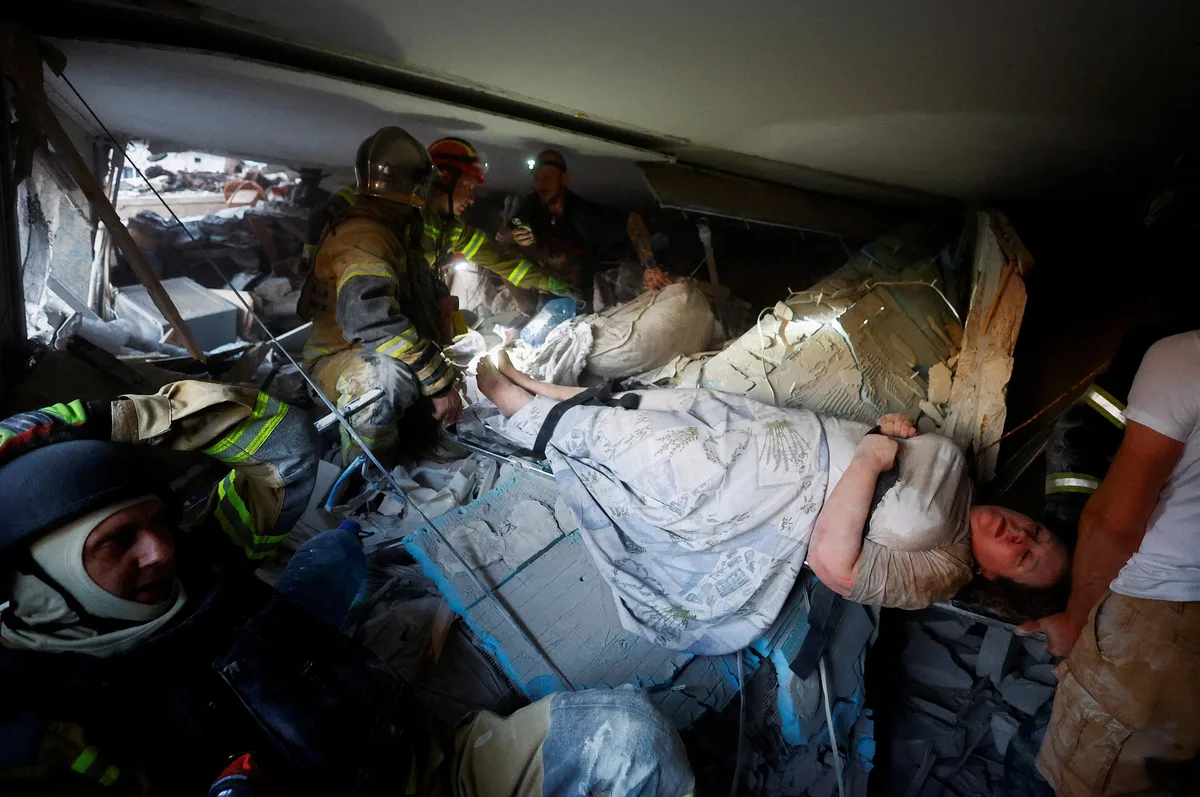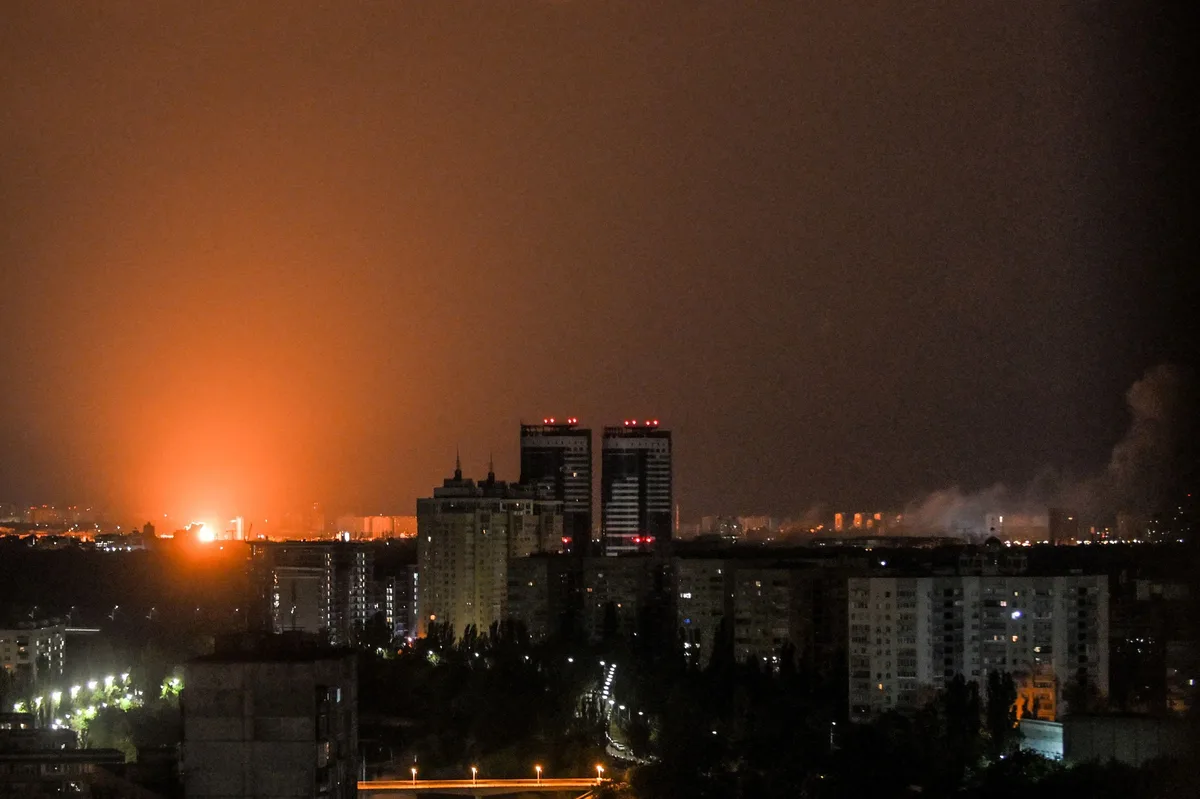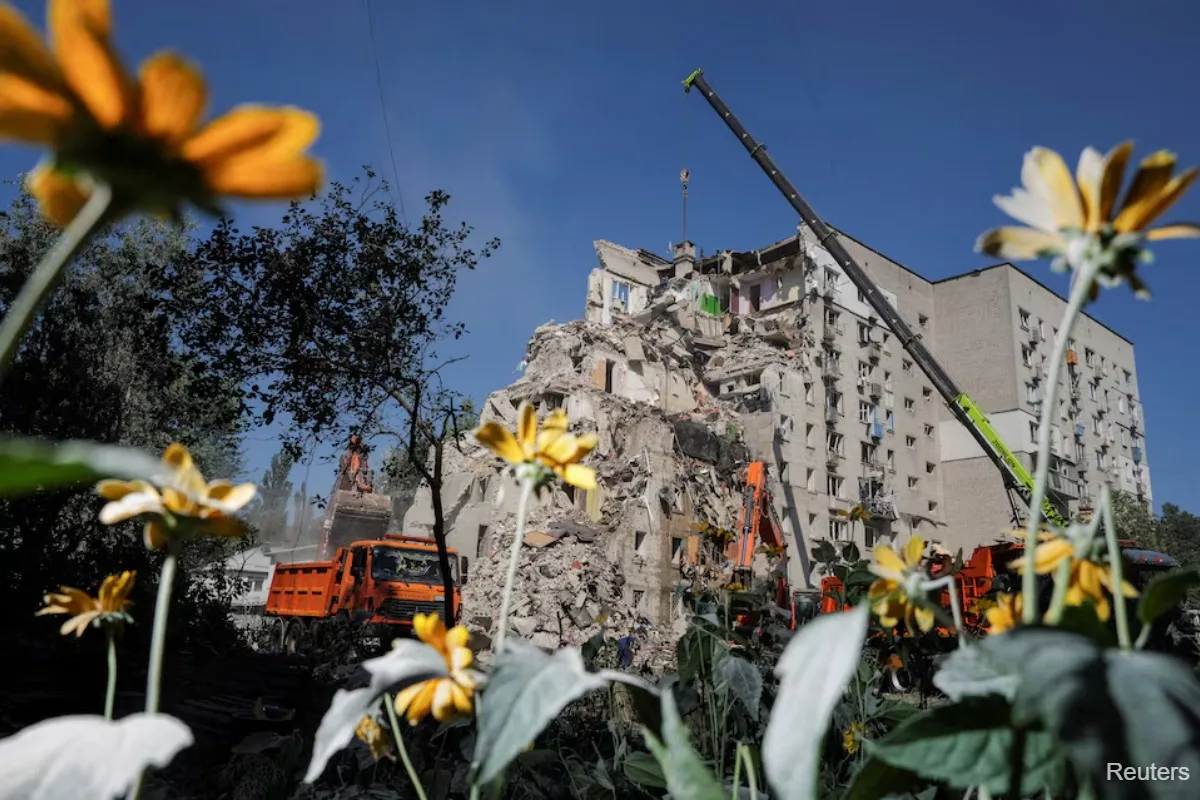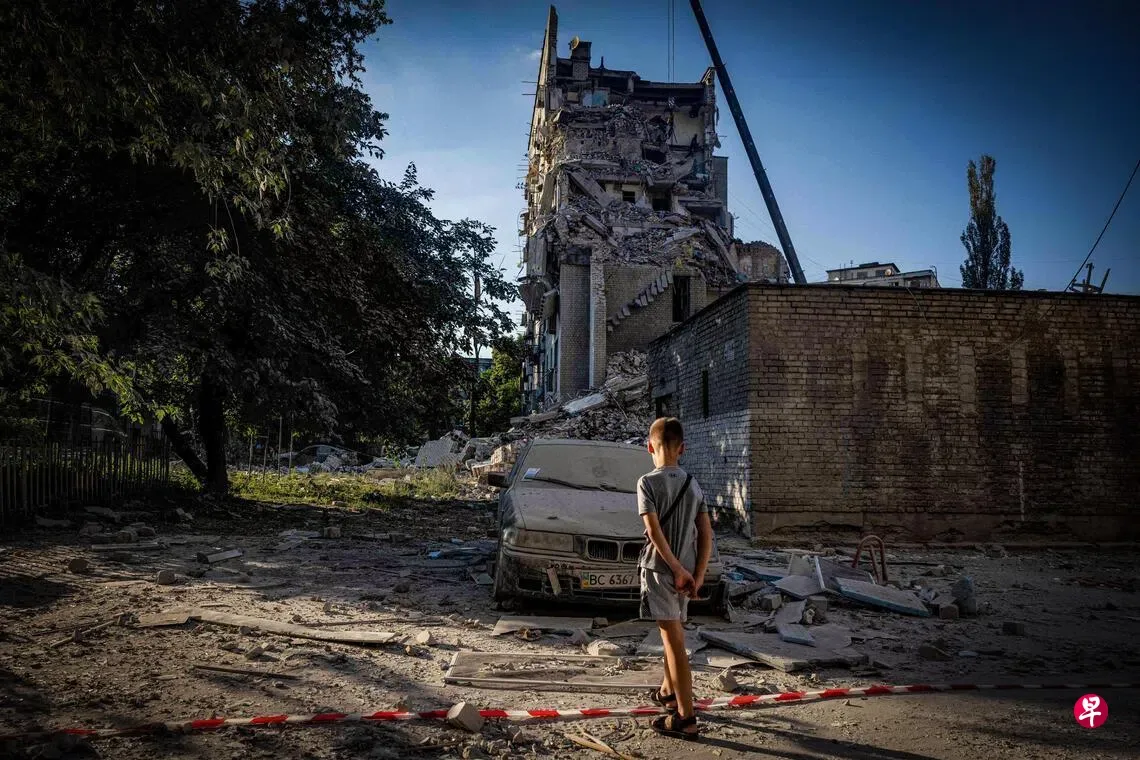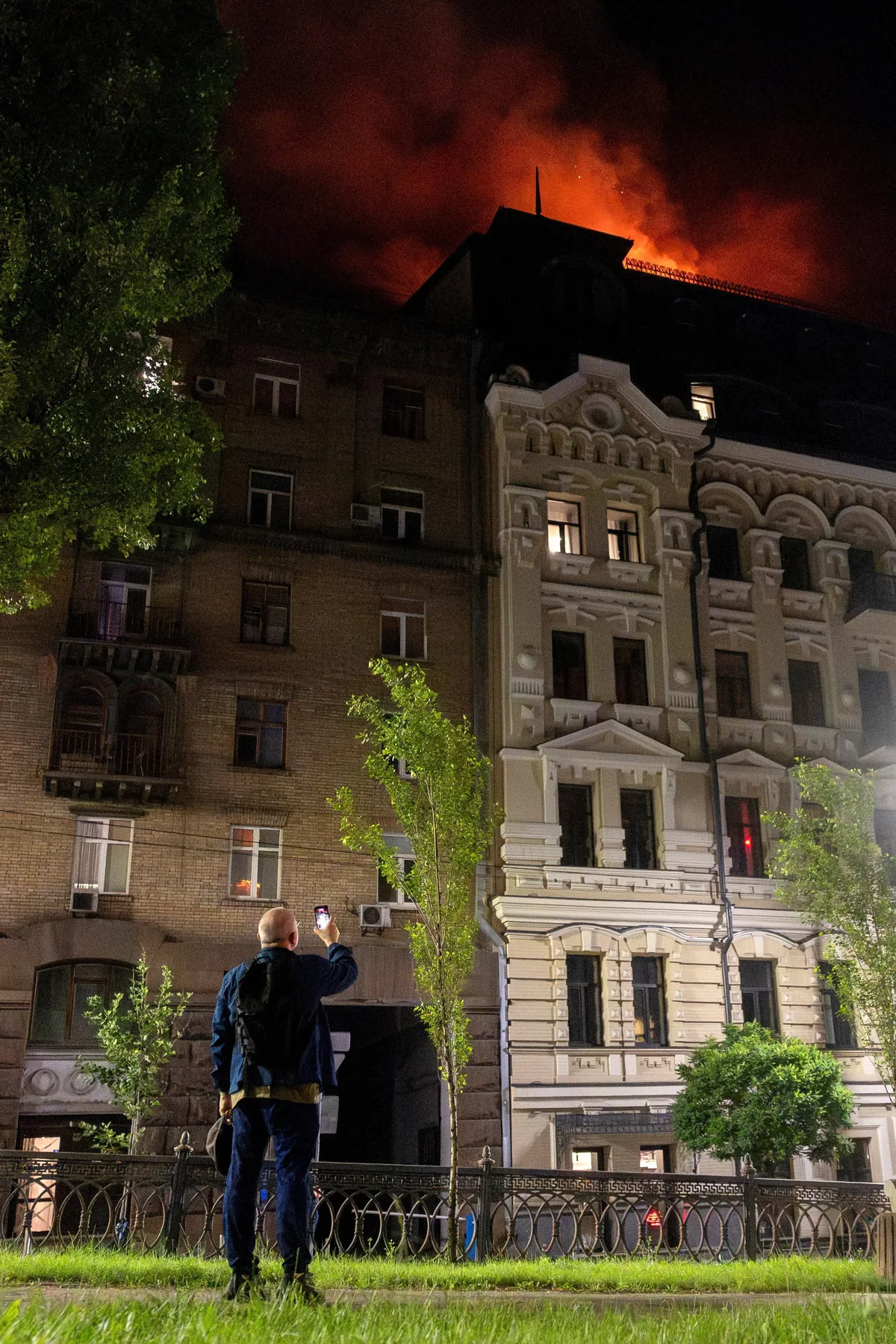
Russian forces launched a massive attack on Kyiv on the evening of July 1 continuing into the early hours of July 2, using 74 missiles and 496 drones, marking the deadliest strike on the Ukrainian capital in 2026 [1, 2, 3, 4, 5, 6, 7, 8]. The bombardment caused extensive damage across the city, including fires, a hotel on Shevchenko Boulevard set ablaze, and more than 100 residential buildings damaged or destroyed [1, 2, 4, 5, 9, 6, 7]. Kyiv Mayor Vitali Klitschko warned, “The hotel roof was on fire on the central Shevchenko Boulevard. Please stay in shelters!” [1].
At least 30 people were killed and around 90 to 92 wounded in the attacks, although some early reports cited lower figures [3, 4, 6, 7, 8]. The Ukrainian government declared July 3 a day of mourning for the victims [4, 7, 8]. President Volodymyr Zelenskiy cut short a trip to Dublin before the assault, citing intelligence reports warning of a large-scale Russian attack [1, 2, 5, 9, 6]. Residents sheltered in underground metro stations as multiple explosions rocked the city [1, 2, 4, 5, 9, 6].
Ukrainian officials detailed damage to over 130 buildings overall in Kyiv, including more than 100 residential blocks [4, 6, 7]. Zelenskiy criticized international delays in supplying air defenses, saying, “If our partners had delivered on their promises in a timely manner, I think we could have saved more homes and lives today.” He urged allies at the upcoming NATO summit to accelerate delivery of advanced air-defense systems such as Patriot missiles [10, 11, 5, 6, 8]. Klitschko emphasized the need for air defense, saying, “The main strike was directed at Kyiv. Air defence supplies for Ukraine are an absolute and critical priority.” [4].
Russia stated the attack targeted military bases, energy infrastructure, and airports in Kyiv and other regions to retaliate against Ukrainian drone strikes on Russian targets [3, 4, 5, 12, 7, 8]. A Russian Defense Ministry spokesman said, “Russia will continue to intensify pressure on the Kyiv regime in order to achieve the goals it has set.” [3]. The Russian military claimed Ukraine may have used ballistic missiles for the first time during these attacks, though Ukrainian and other sources offered no explicit confirmation [2, 4, 5, 7]. Ukraine reported an unusually high number of ballistic missiles used by Russia and a relatively low interception rate [4, 5, 6].
As a precaution, Poland scrambled fighter jets to protect its airspace adjacent to Ukraine during the attack, with Polish Armed Forces stating these were preventive actions aimed at securing threatened regions [2, 8]. Rescue operations continued in Kyiv on July 3, while Russian strikes expanded to the northeastern Sumy region that day, killing four more people [7, 8].
US President Donald Trump expressed hope for peace, saying he wanted an end to “senseless killing” despite past ceasefire failures [10, 11]. The NATO summit later this month will test calls to boost international air-defense aid to Ukraine amid continuing Russian offensives.