Since Russia launched its full-scale invasion of Ukraine in February 2022, it has turned Japan into a major espionage hub and source of military-grade tech components, taking advantage of weak Japanese espionage laws and a highly advanced technology sector [1, 2, 3, 4, 5, 6, 7, 8, 9, 10].
The Russian military intelligence unit known as the "20th Directorate" operates inside Tokyo. It uses covers such as employees at Russian airline Aeroflot's Tokyo office to obtain or steal critical dual-use technology, including circuit boards, semiconductors, and emitters from Japanese firms like NEC, Panasonic, and Toshiba [1, 2, 3, 4, 5, 6, 7, 8, 9, 10]. These components are then funneled to Russia via third countries, including Vietnam, Uzbekistan, and Sri Lanka, allowing Russia to circumvent export restrictions [1, 2, 3, 7, 8, 9].
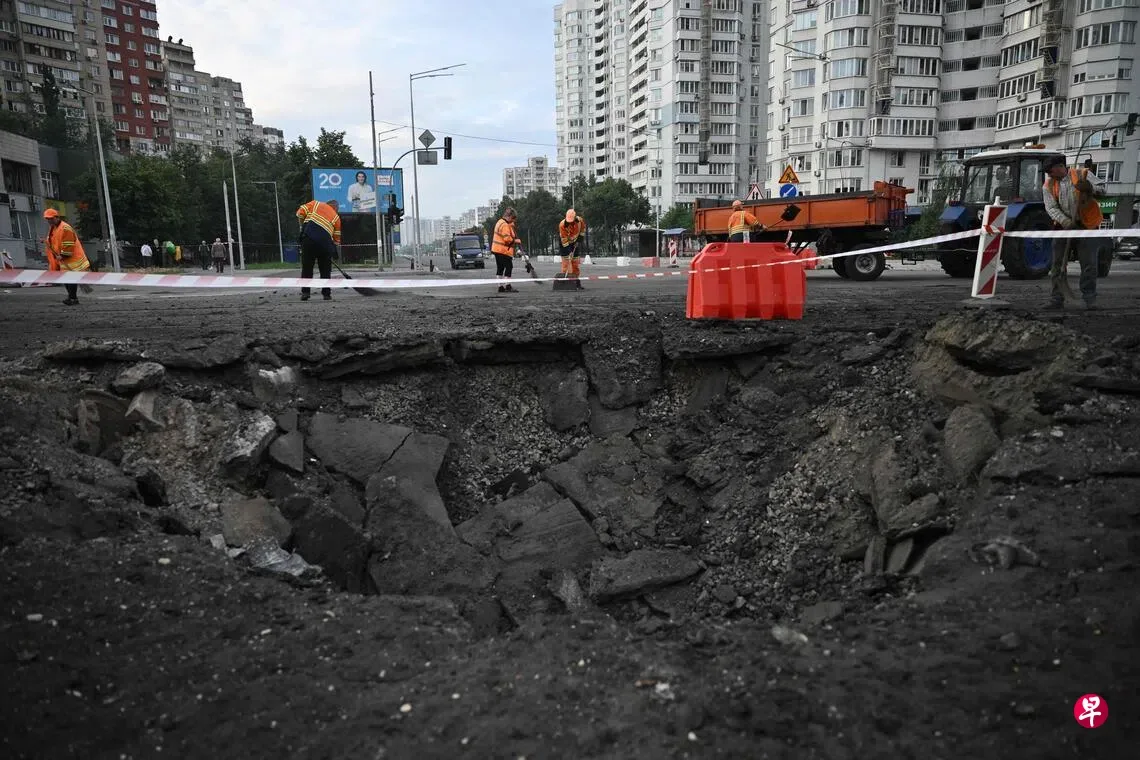
Ukrainian officials estimate that 90% of Russian missiles and drones contain Japanese-made parts [1, 2, 3, 4, 5, 6, 7, 8, 9]. For instance, in May 2026, a Russian Kh-101 cruise missile struck a residential building in Kyiv, killing at least 24 people; the missile debris included Japanese guidance components banned for export to Russia [3, 4, 7, 9].
Russian intelligence officer Maksim Vladimirovich Filchenkov, aged 49, arrived in Japan in February 2024 to lead these espionage operations under cover as an Aeroflot employee in Tokyo [1, 3, 4, 5, 6, 7, 8, 9, 10]. Despite being located just a 10-minute walk from Japan's National Police Agency headquarters, the espionage network has operated with relative impunity [3, 4, 9]. Aeroflot's Tokyo operations have effectively ceased due to difficulties obtaining parts, but cooperating logistics firms continue to route shipments between Japan and Russia through intermediary countries [3, 4, 9].
Japan has historically had weak espionage laws and no dedicated foreign intelligence agency, reflecting post-World War II restrictions on military and intelligence activities [1, 3, 4, 7, 9]. Between April and December 2025, Ukraine sent at least 16 diplomatic letters warning Japan of Japanese components found in Russian weapons, but Japan's response was slow to materialize [1, 3, 4, 7, 9].
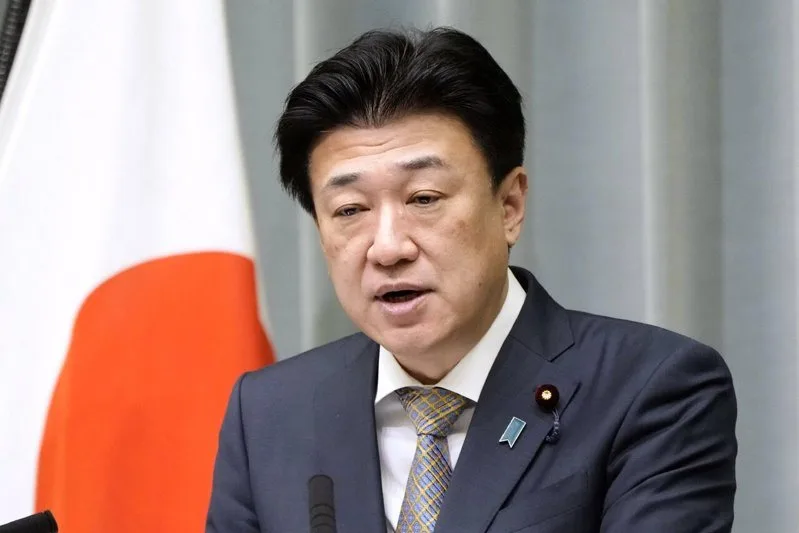
On July 13, 2026, Japan's government publicly acknowledged the growing need to bolster counter-espionage measures. Chief Cabinet Secretary Minoru Kihara said, "We recognise that in a rapidly changing security environment there is a growing need to counter foreign intelligence activities – such as the acquisition of critical information – that threaten Japan’s national security." He added, "Tokyo must address this issue with even greater rigour" [1, 2, 5, 6, 7, 8, 10].
In 2026, Japan's parliament passed legislation to establish a new national intelligence coordination body to unify fragmented intelligence efforts and better counter foreign intelligence threats [1, 2, 7, 8]. The legislation aims to strengthen Japan’s ability to respond more effectively and prevent its technology from being exploited in foreign military conflicts.