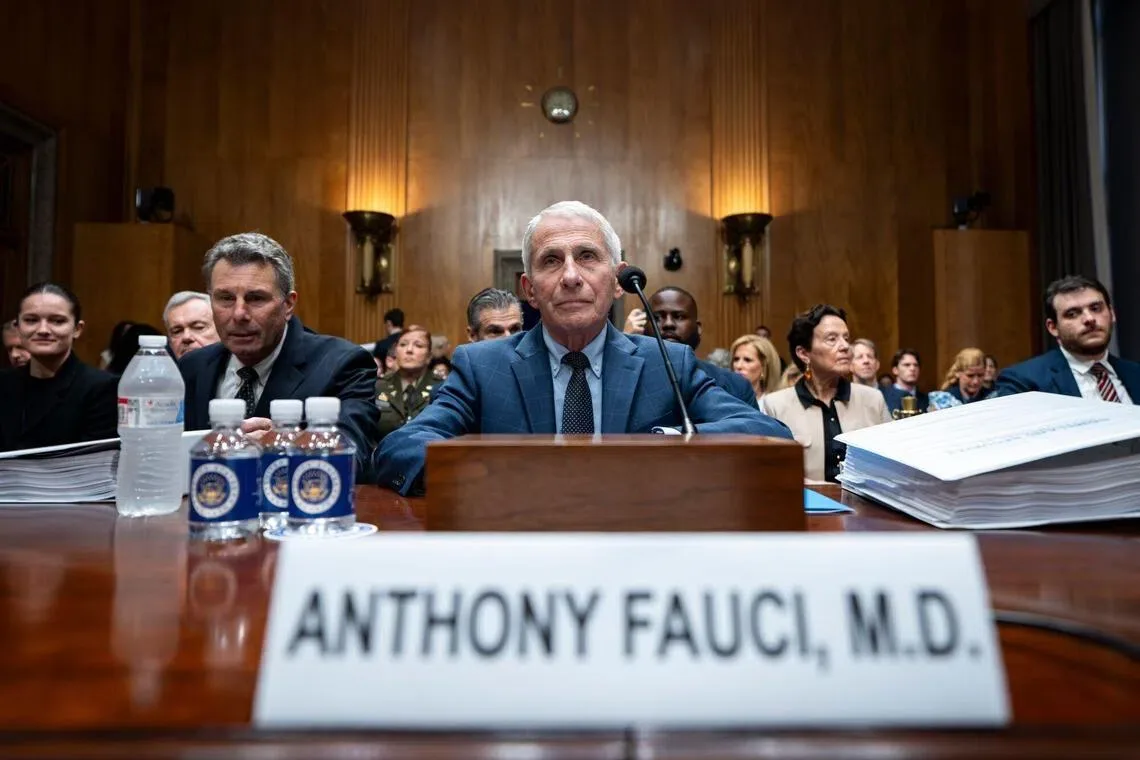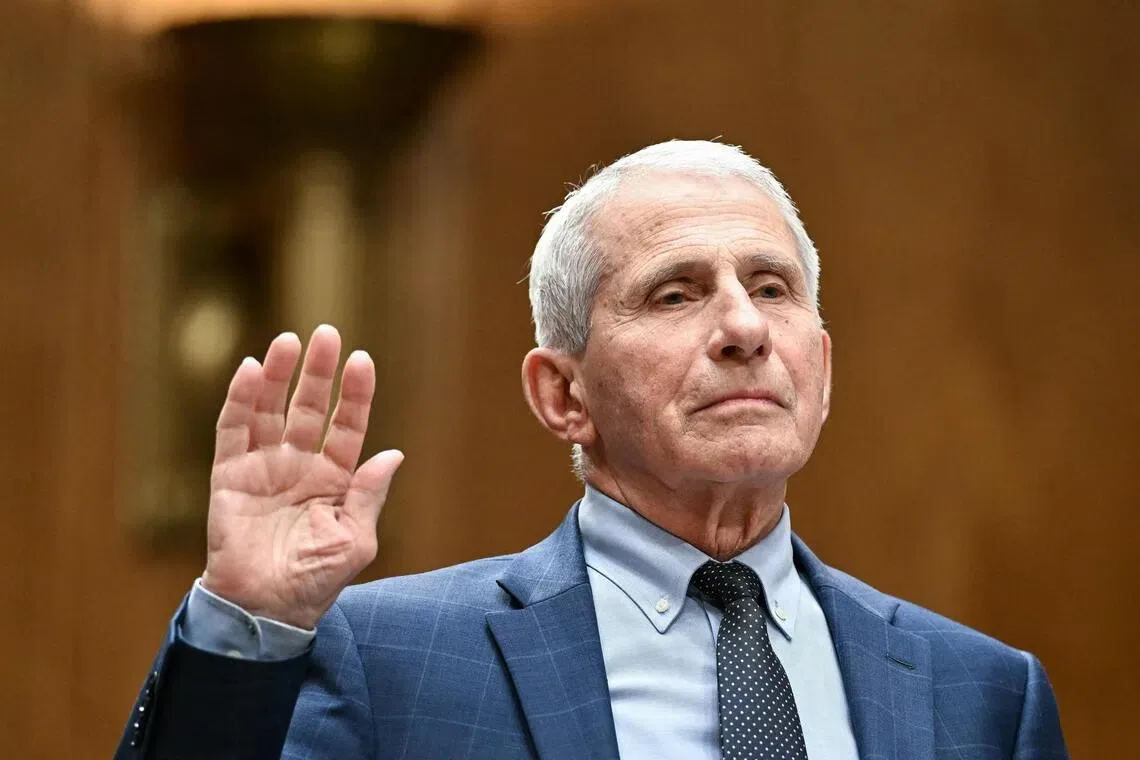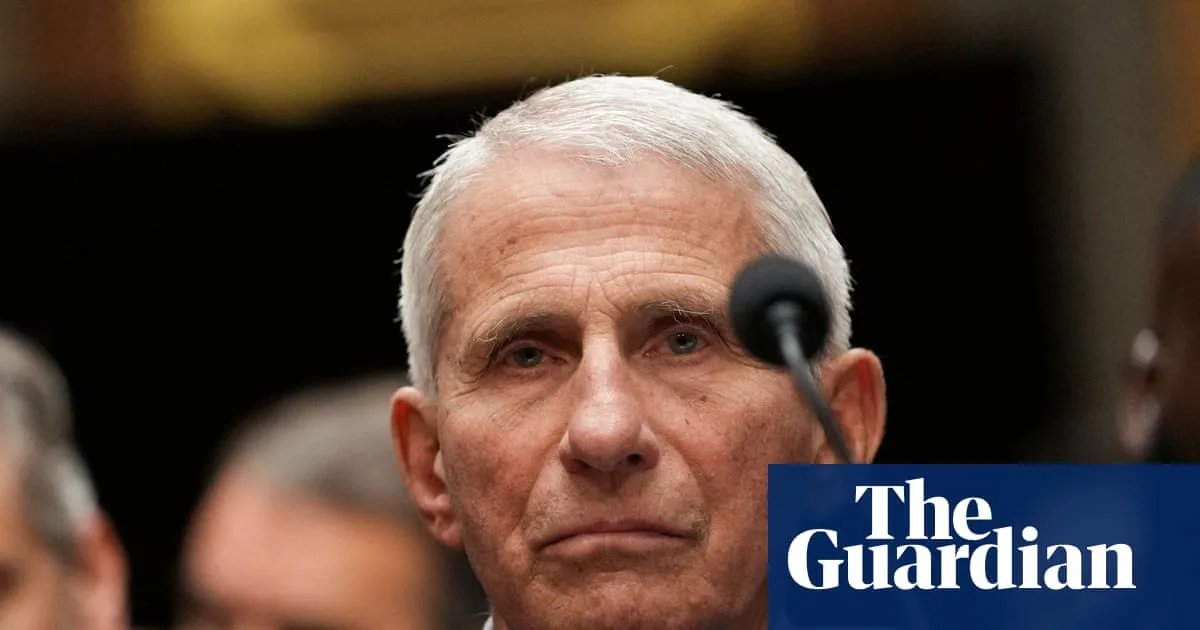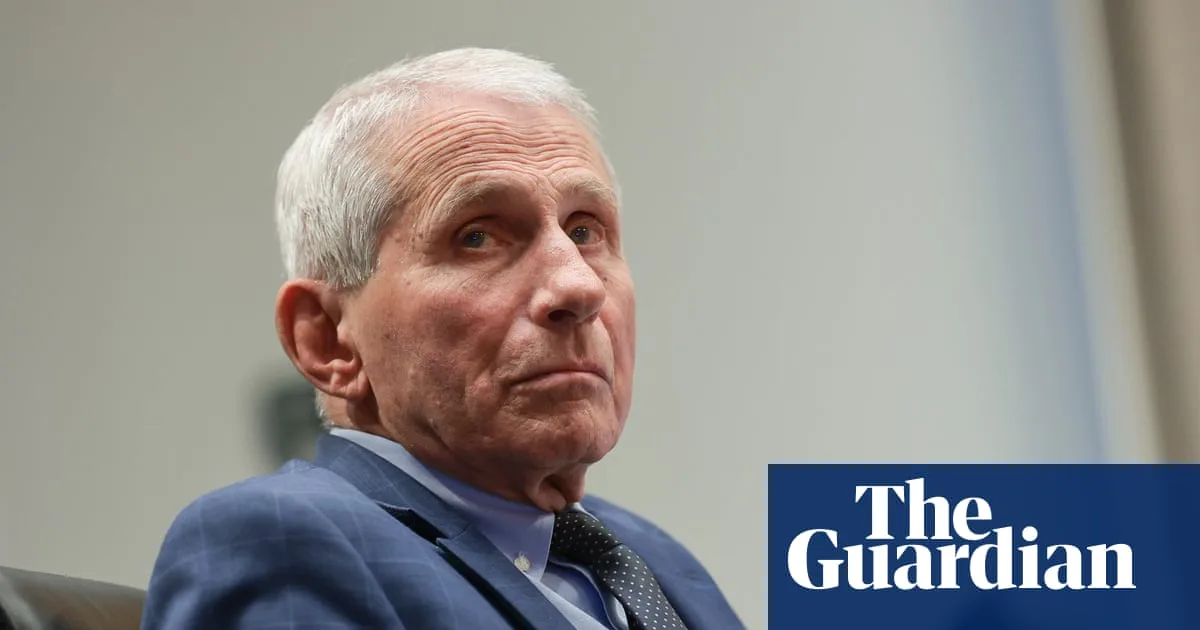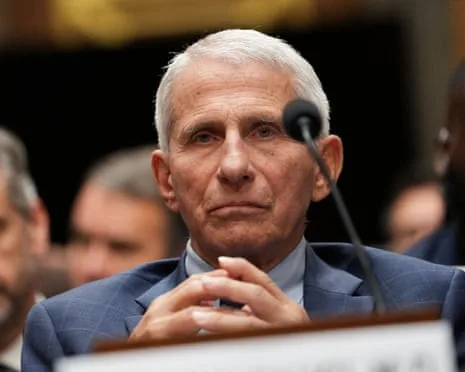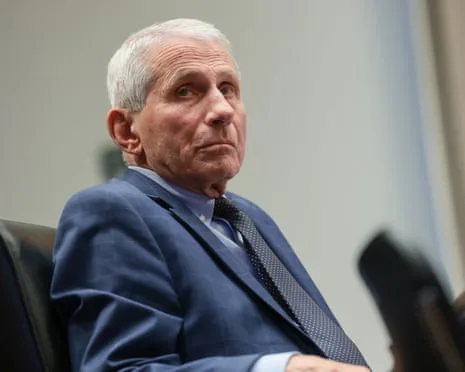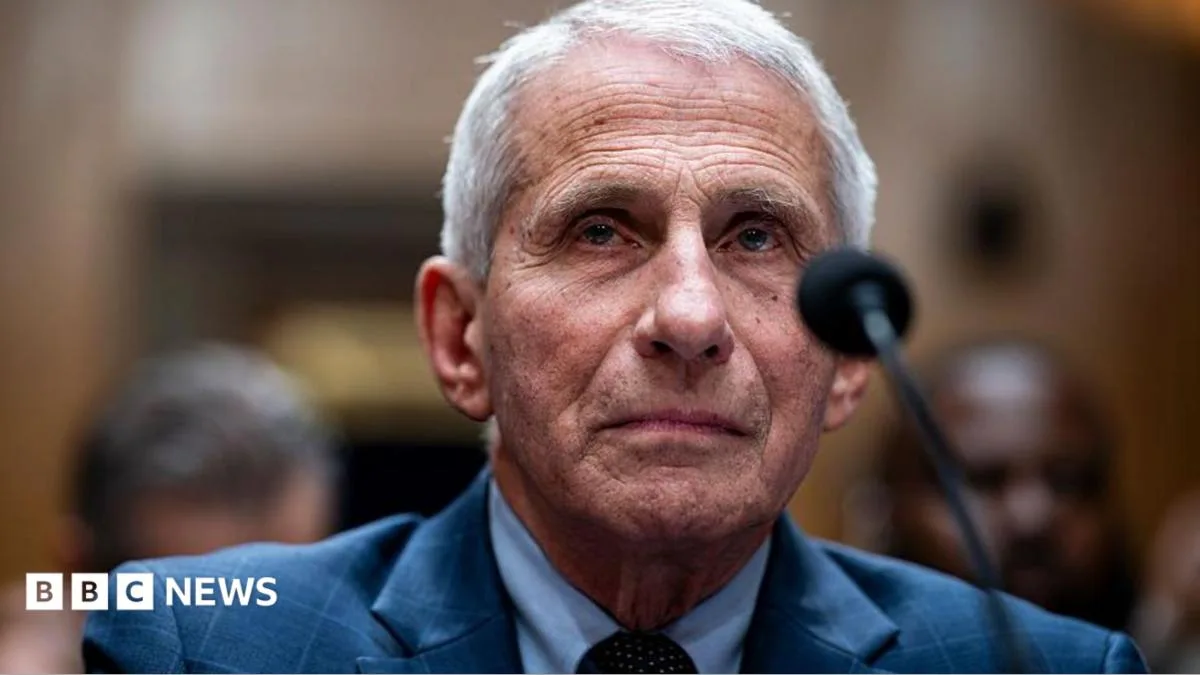
The Senate Homeland Security and Governmental Affairs Committee voted 8-7 along party lines on August 6, 2026, to hold former NIAID director Dr. Anthony Fauci in contempt of Congress. The move came after Fauci declined to answer questions about his handling of the Covid-19 pandemic during a hearing in late July 2026, invoking his Fifth Amendment right over 100 times [1, 2, 3].
The contempt resolution was led by Republican Senator Rand Paul of Kentucky, who chairs the committee. Paul argued Fauci’s Fifth Amendment claim was invalid because former President Joe Biden had pardoned Fauci in January 2025 for federal offenses related to Covid-19 response from 2014 to 2025. Paul said, "The chair directed Anthony Fauci to answer. He refused. That is what we are voting on today — not his opinions..." and added, "He had no liability if he told the truth." [1, 2, 4]
Fauci’s legal team and some experts contend the pardon does not cover conduct after January 19, 2025, meaning Fauci may still face prosecution at the state or local level. Fauci’s lawyer called the contempt vote a "crude political stunt" and said Fauci was on solid legal ground using his Fifth Amendment rights [5, 6, 3].
Following the contempt vote, Paul sent a criminal referral directly to the Department of Justice, bypassing a full Senate vote. The DOJ confirmed receipt and said it is reviewing the referral with the U.S. Attorney’s Office in Washington, DC [7, 5, 8]. Contempt of Congress is a federal misdemeanor punishable by up to 12 months in prison and a $100,000 fine [7]. Democrats criticized the contempt action, calling the investigation one-sided, rushed, and harmful to future oversight efforts. Senator Gary Peters said the process was "a one-sided investigation and a rushed process...that could harm our ability to conduct future investigations." [2, 3]
Senator Ron Johnson announced he obtained a copy of Fauci’s pandemic-era cellphone from the Department of Health and Human Services, which could address questions Fauci refused to answer. The copy was reportedly transferred under the leadership of Robert F. Kennedy Jr. at HHS [9, 2].
Fauci retired from the National Institute of Allergy and Infectious Diseases in 2022 after 38 years leading the agency. He was a prominent figure in the US Covid-19 response and faced Republican criticism over public health measures such as lockdowns and masking [2, 4, 10].
The next step is the DOJ’s review of the criminal referral, which could lead to prosecution. Meanwhile, the full Senate has not voted on the contempt resolution, and the legal debates over Fauci’s immunity and the referral process continue.