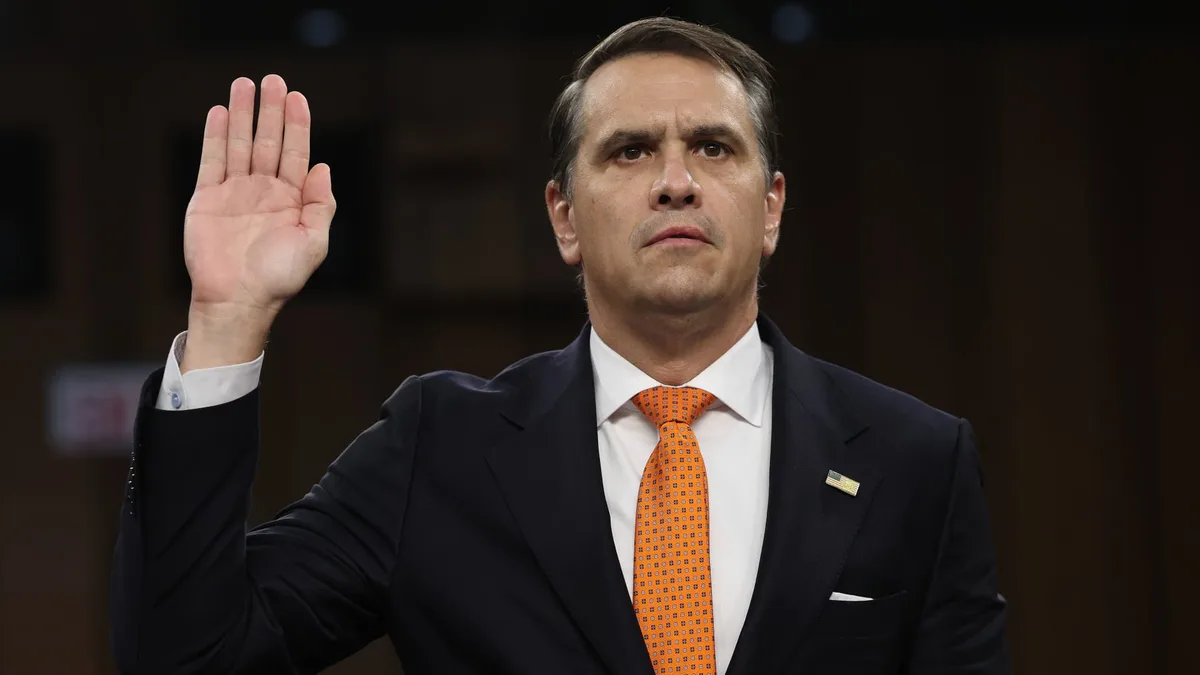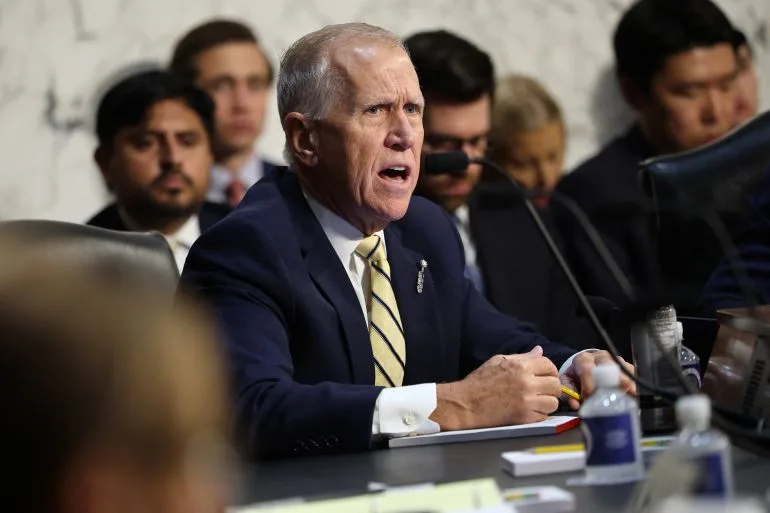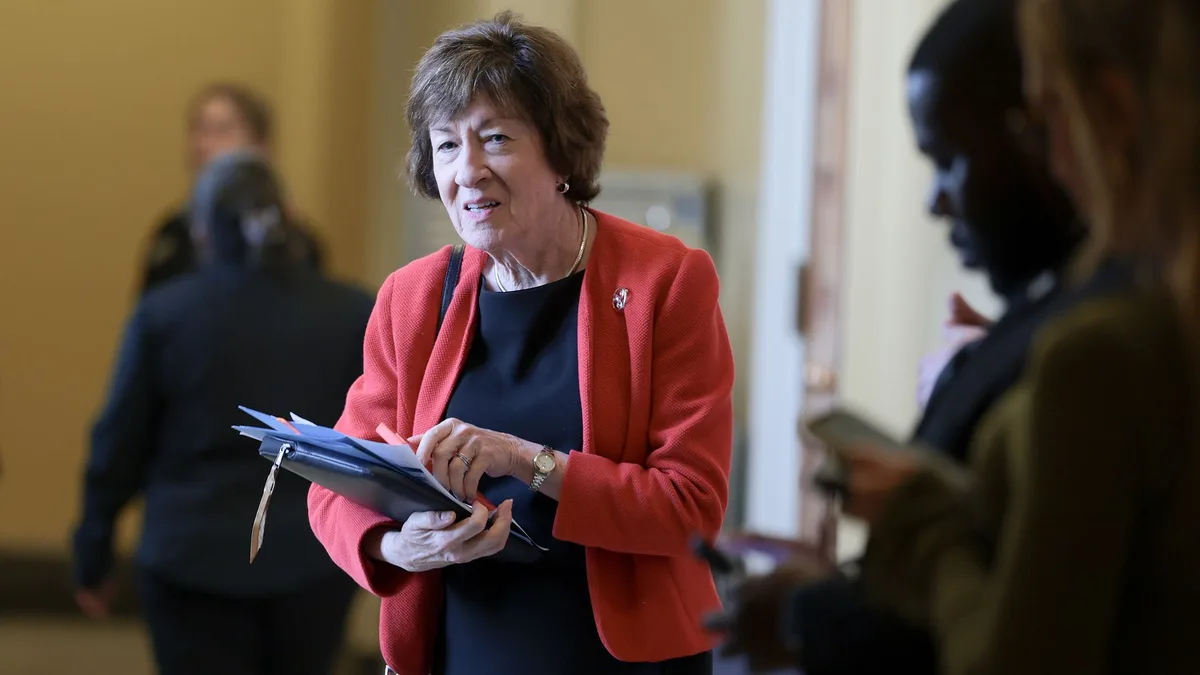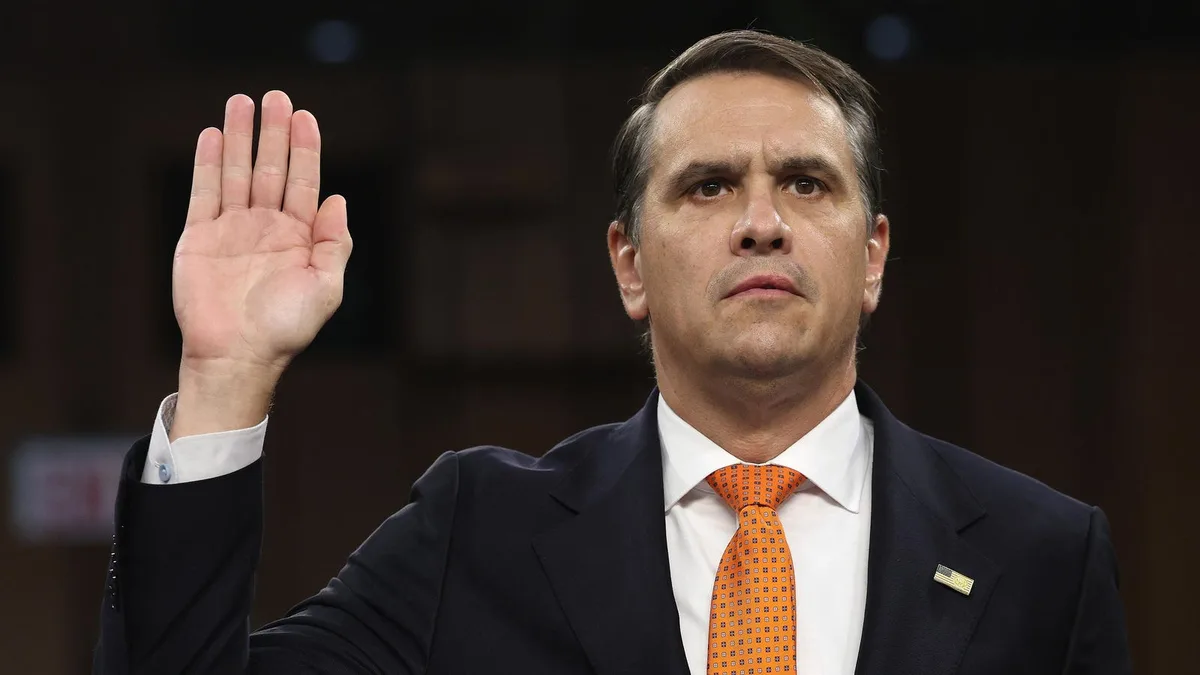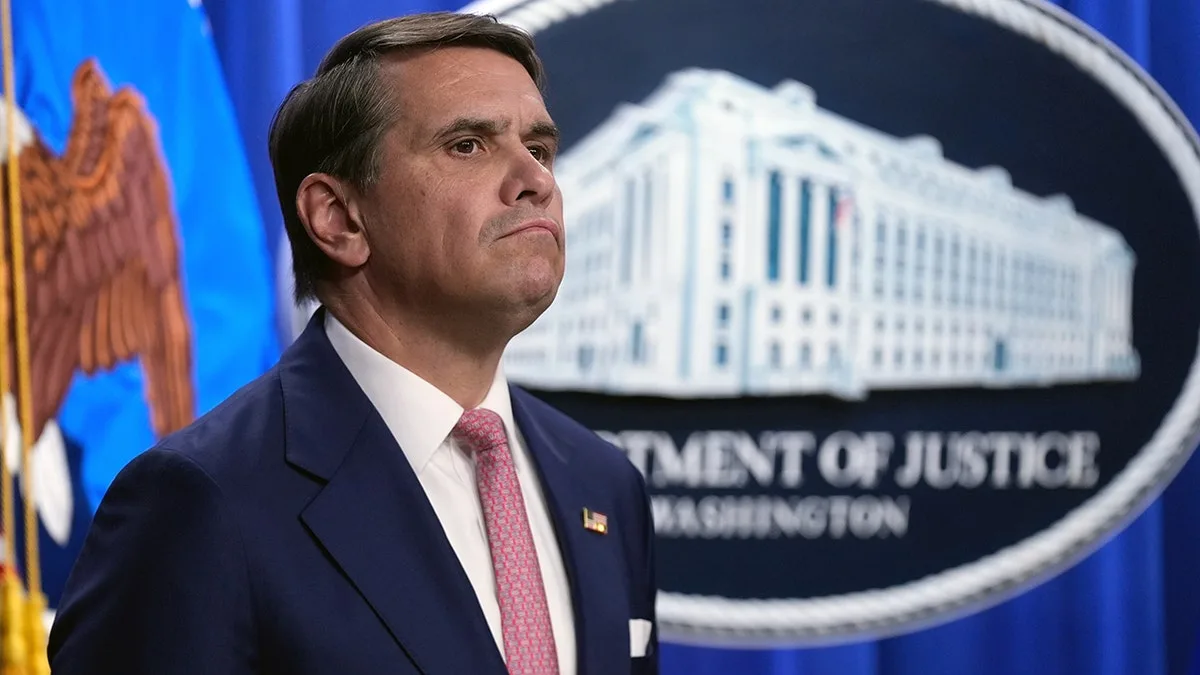
Todd Blanche, acting attorney general and former personal lawyer to Donald Trump, won approval from the Senate Judiciary Committee on August 4 in a 12-10 party-line vote largely split along partisan lines, with all Republicans voting yes and all Democrats opposing him [1, 2, 3, 4]. Blanche’s nomination now moves to the full Senate, where he will need at least 50 votes for confirmation amid a narrow Republican majority of 53-47 and the absence of Senate Republican leader Mitch McConnell due to medical leave [1, 5, 6].
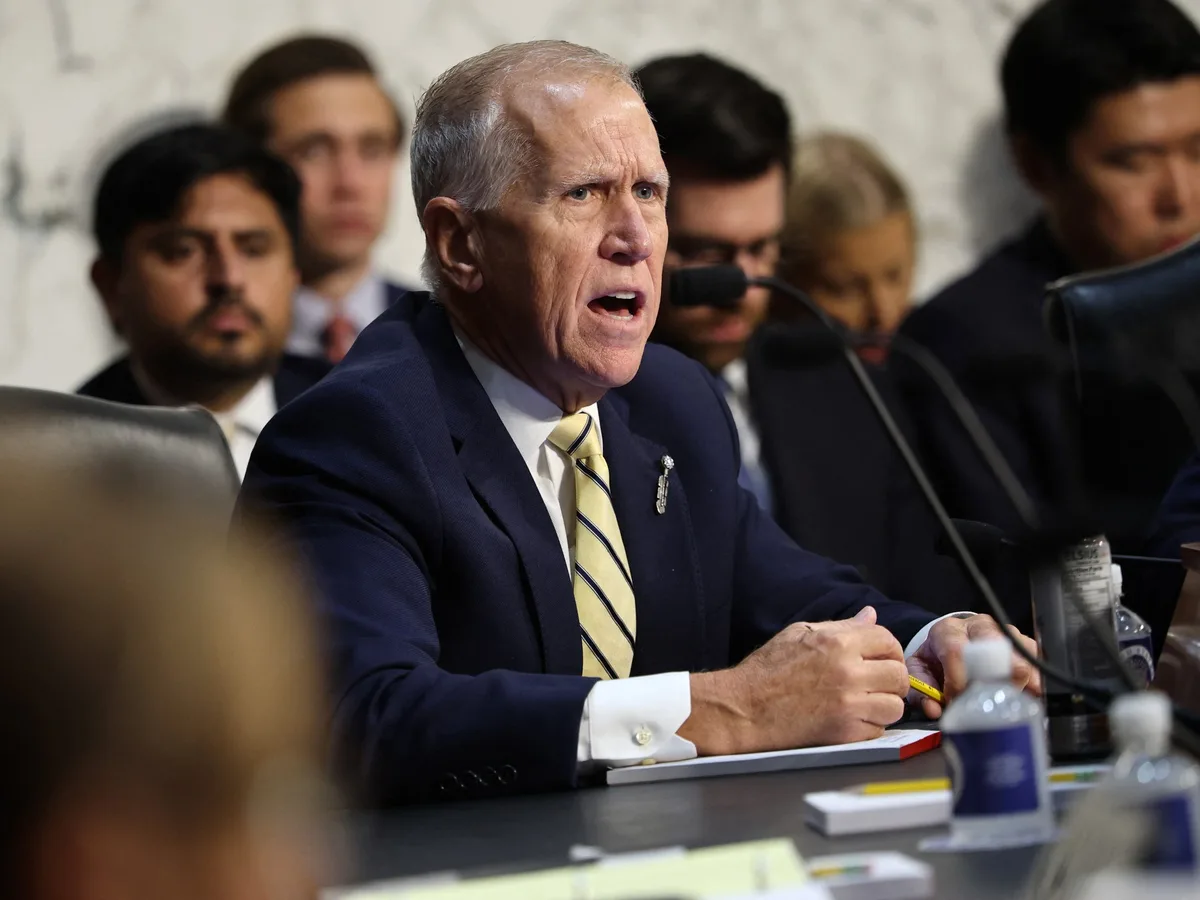
The vote followed a key agreement Blanche struck with Republican Senators John Cornyn (R-TX) and Thom Tillis (R-NC). Both withheld support over concerns regarding a $1.8 billion “anti-weaponization fund” linked to Trump's IRS settlement and the scope of audit protections for Trump and his family. Blanche provided written assurances and signed documents between August 2 and 3 rescinding the fund and narrowing audit protections. Cornyn and Tillis subsequently endorsed him, calling the fund issue “put to bed once and for all,” though Senator Charles Grassley lamented the delay in resolving the matter as a "crime" [1, 2, 3, 5, 6].
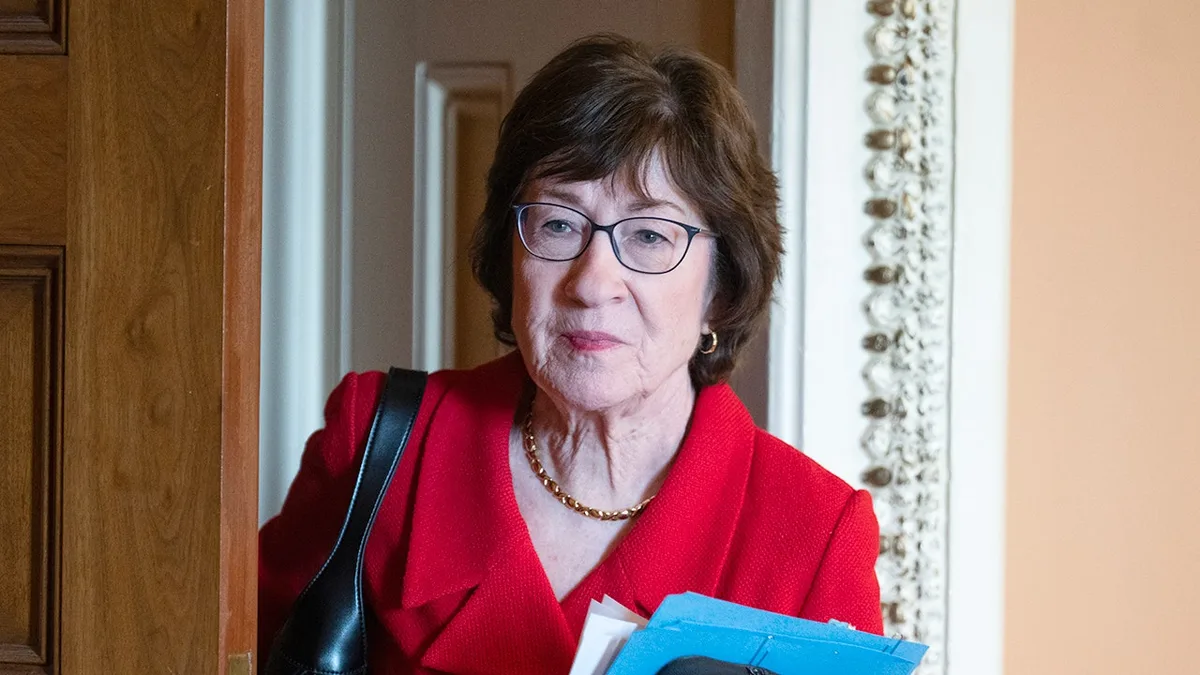
Despite this, Democrats remain firmly opposed, warning the fund may still be revivable and denouncing Blanche as a partisan actor rather than an independent attorney general. Senate Democrats and Senator Susan Collins (R-ME) criticized Blanche’s tenure as acting AG, accusing him of politicizing the Justice Department and serving more as Trump’s personal lawyer than a neutral legal official. Collins said, “While I believe Mr. Blanche is a capable lawyer, the Department of Justice has become increasingly political. Mr. Blanche has taken several actions that have further eroded the Department's independence, and that is the basis for my vote to oppose his confirmation” [1, 2, 3, 5, 4, 6].
Democratic Senator Richard Blumenthal called Blanche’s signed documents rescinding the fund a "sham and a fraud on the Congress," while Senator Adam Schiff warned confirming Blanche would undermine the rule of law by enabling the attorney general to act as an extension of the president’s political interests [1, 4].
Several Republicans remain undecided or opposed, including Senators Bill Cassidy (R-LA) and Lisa Murkowski (R-AK), raising questions about whether Blanche can secure the votes needed in the full Senate [1, 5, 6]. With McConnell absent, Blanche can only afford to lose two Republican votes.
The Senate is expected to schedule a confirmation vote shortly. Blanche’s full confirmation vote will test whether he can unify a fragile GOP majority amid deep Democratic opposition and concerns about the Justice Department’s independence.