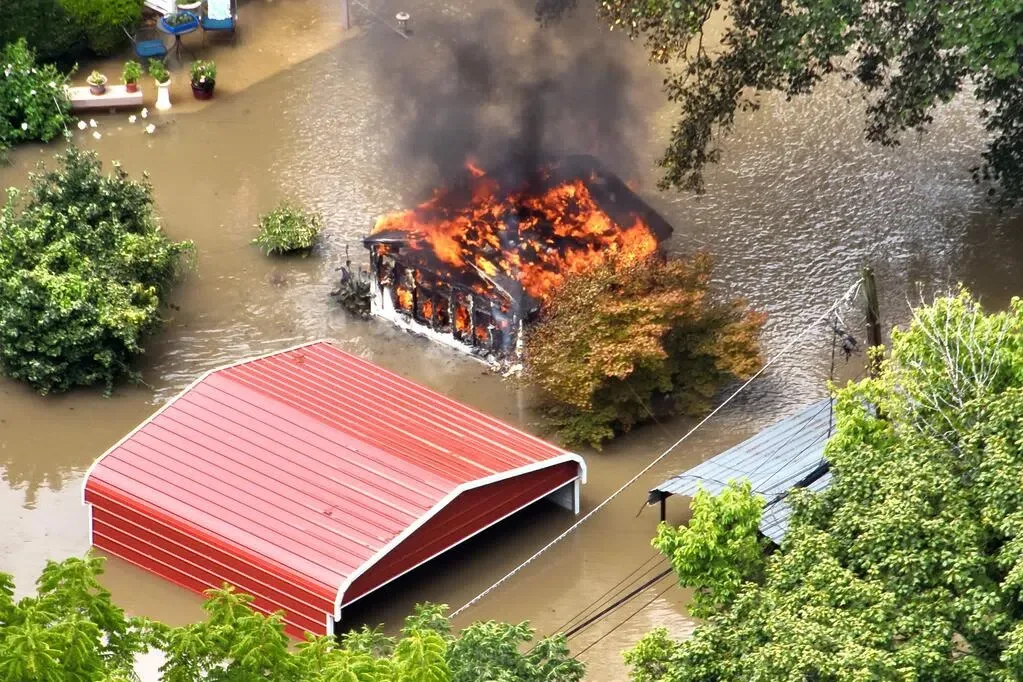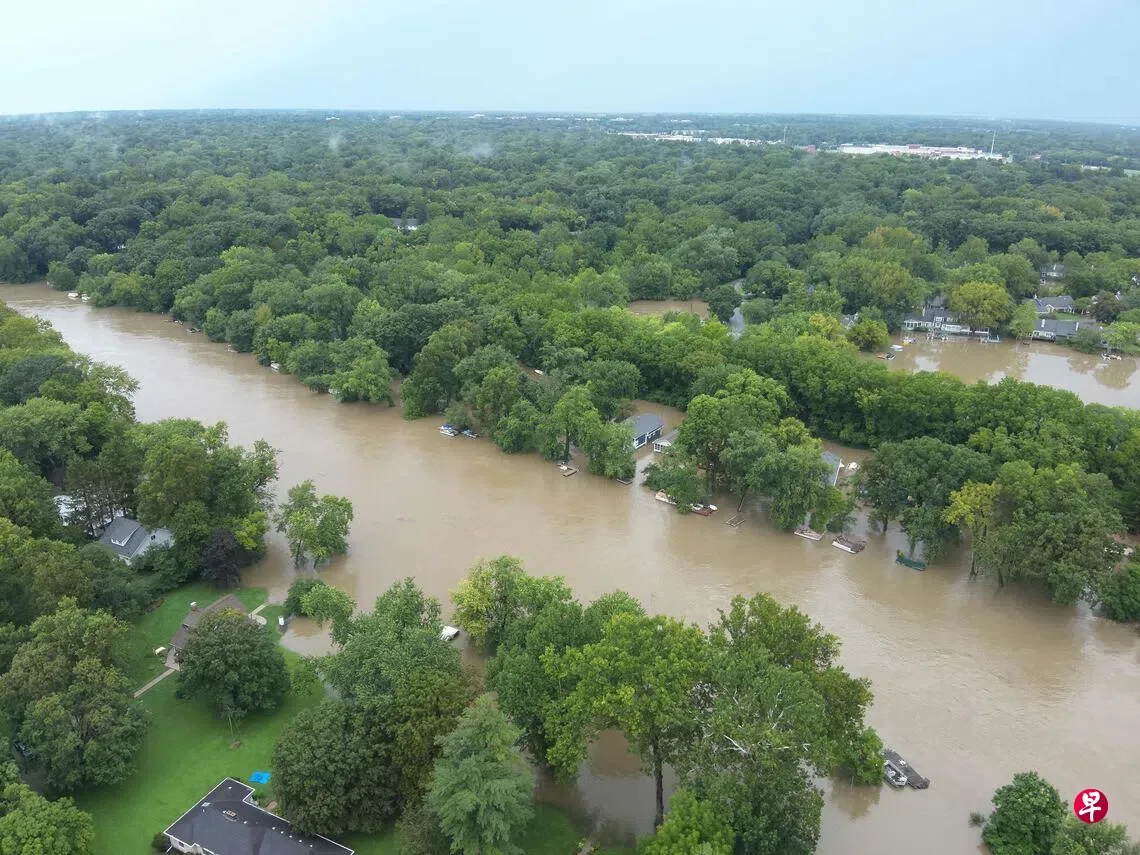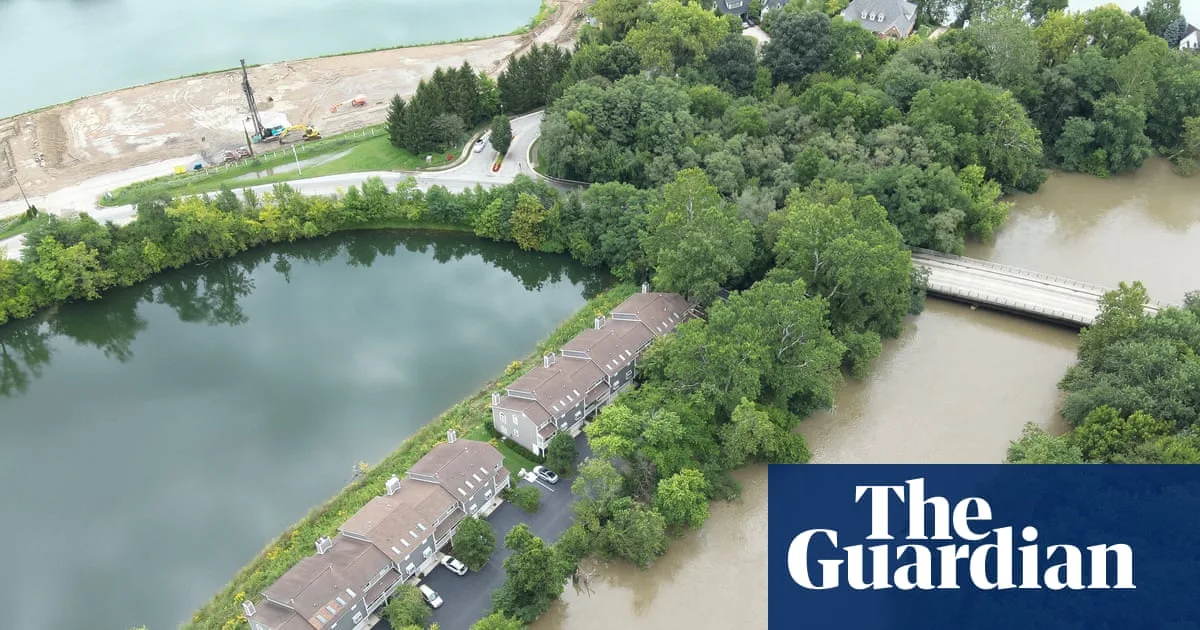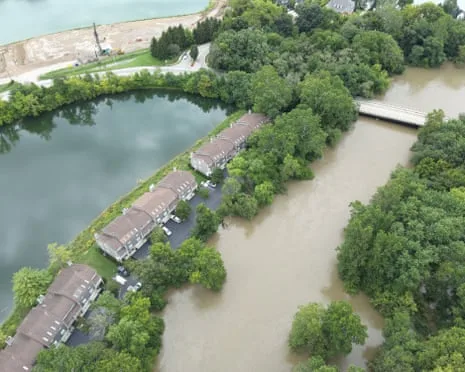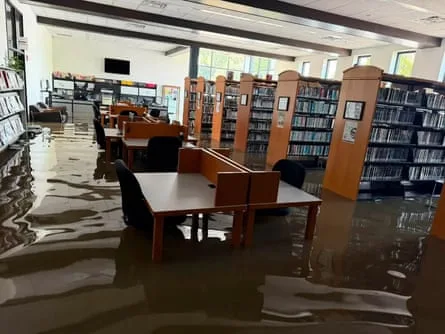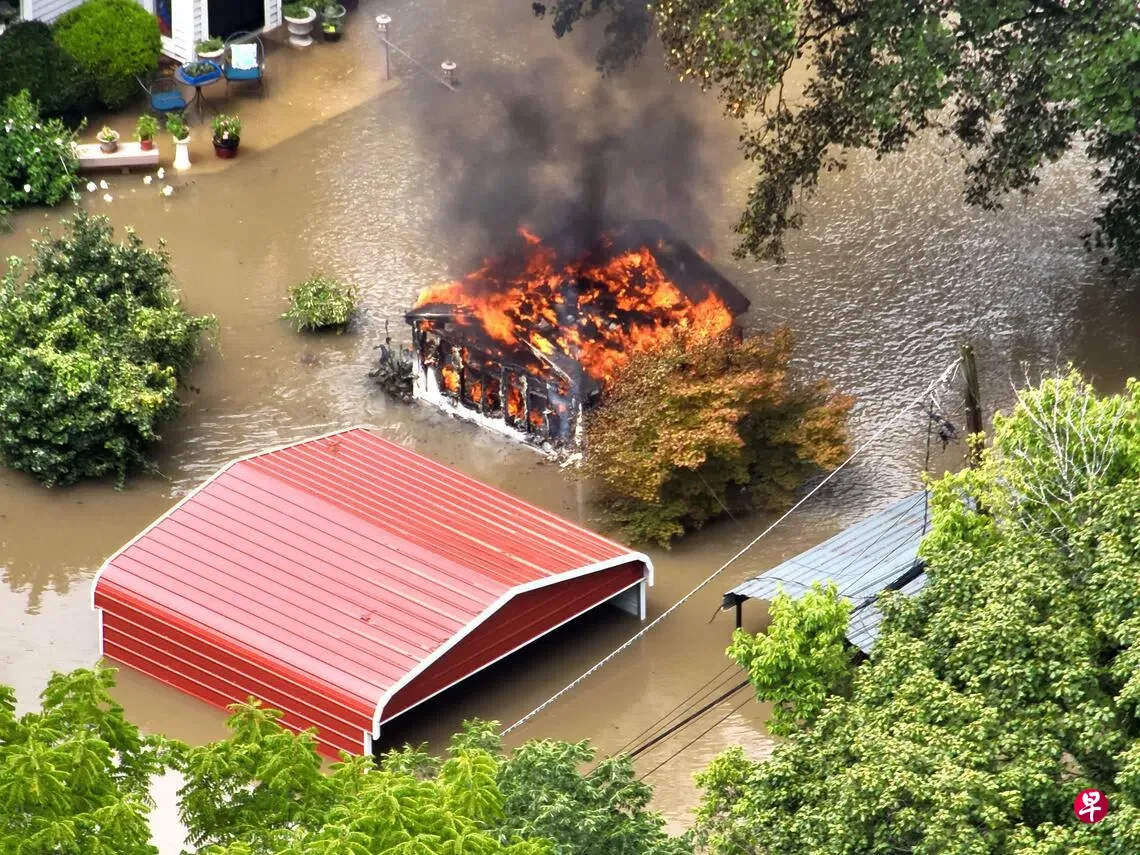
Indiana has faced historic flooding and storms since August 11, 2026, resulting in at least six deaths, including a 4-year-old boy, a 19-year-old man, and a 58-year-old woman, officials confirmed [1, 2, 3, 4]. The floods mainly struck areas along the White River, affecting Indianapolis, Hamilton County, Delaware County, Jennings County, and nearby northern suburbs [1, 3, 4].
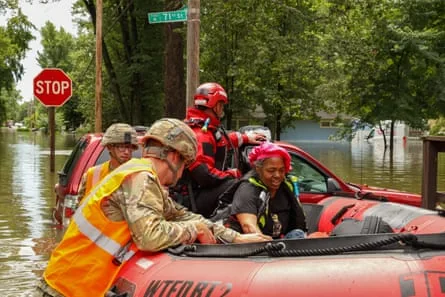
Rainfall totals exceeded 279 millimeters (over 11 inches) in parts of Indiana within two days, driving river levels to their highest point since 1913 [2, 3, 4]. The White River near Anderson peaked at nearly 25 feet on August 14, surpassing the century-old record [5, 6]. Emergency crews evacuated hundreds of homes along the White River and its canals. Rescuers saved over 90 people and 45 pets using boats and kayaks amid rising waters [1, 3, 4, 7].
Indiana Governor Mike Braun declared a state of emergency on August 15 and requested federal assistance. President Donald Trump pledged to approve a Presidential Emergency Declaration to aid recovery efforts [8, 5, 9]. Braun expressed sympathy, saying, "My heart is with the families and loved ones of the five Hoosiers we have lost and every family whose life has been changed by these storms" and urged residents to avoid floodwaters [8].
Local officials described the event as a "once-in-a-lifetime" flood. Jacob Spence, Marion County Emergency Management Director, said, "This is one of those once-in-a-lifetime type floods. So, yeah, this is an unprecedented event and unfortunately we're setting some new records" [7]. Indianapolis Mayor Joe Hogsett called it the city's worst flooding in over 30 years [8].
Fatalities included a 4-year-old boy killed by a fallen tree in Jennings County; a young man who drowned after jumping into a swollen river in Delaware County; and a 58-year-old woman swept away while driving through floodwaters [1, 3, 8, 10].
Flash flood warnings and evacuations remained in effect early August 16 as waters peaked in Indianapolis, then began receding later that day. Hamilton County officials confirmed the rain had stopped and water levels were dropping [1, 5, 7]. Rescue and recovery operations continue.
Regional storms also spread heavy rain, tornadoes, and widespread power outages across other Midwestern states including Illinois, Kentucky, Ohio, West Virginia, and Pennsylvania, leaving nearly one million homes without power [2, 3, 4].
Federal emergency funding of $5 million has been pledged to support recovery efforts in Indiana [5, 6]. Authorities urged residents to remain cautious as floodwaters recede and clean-up begins.