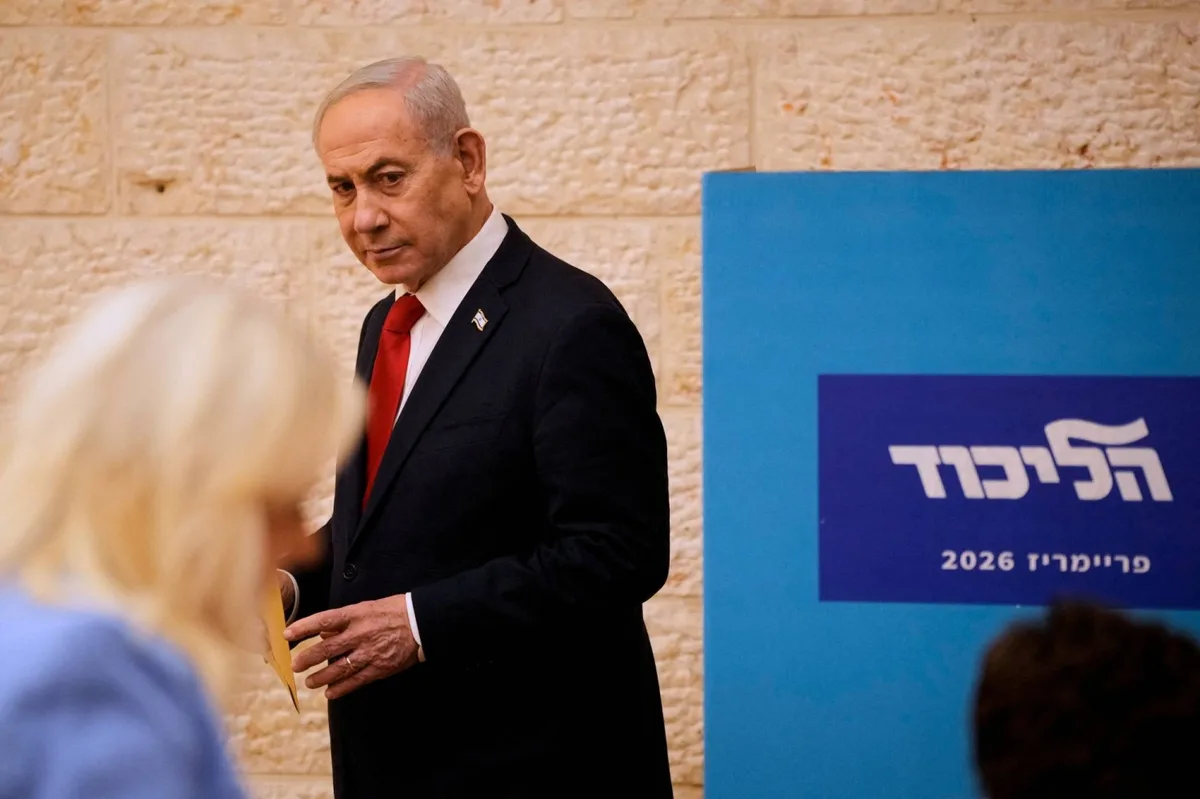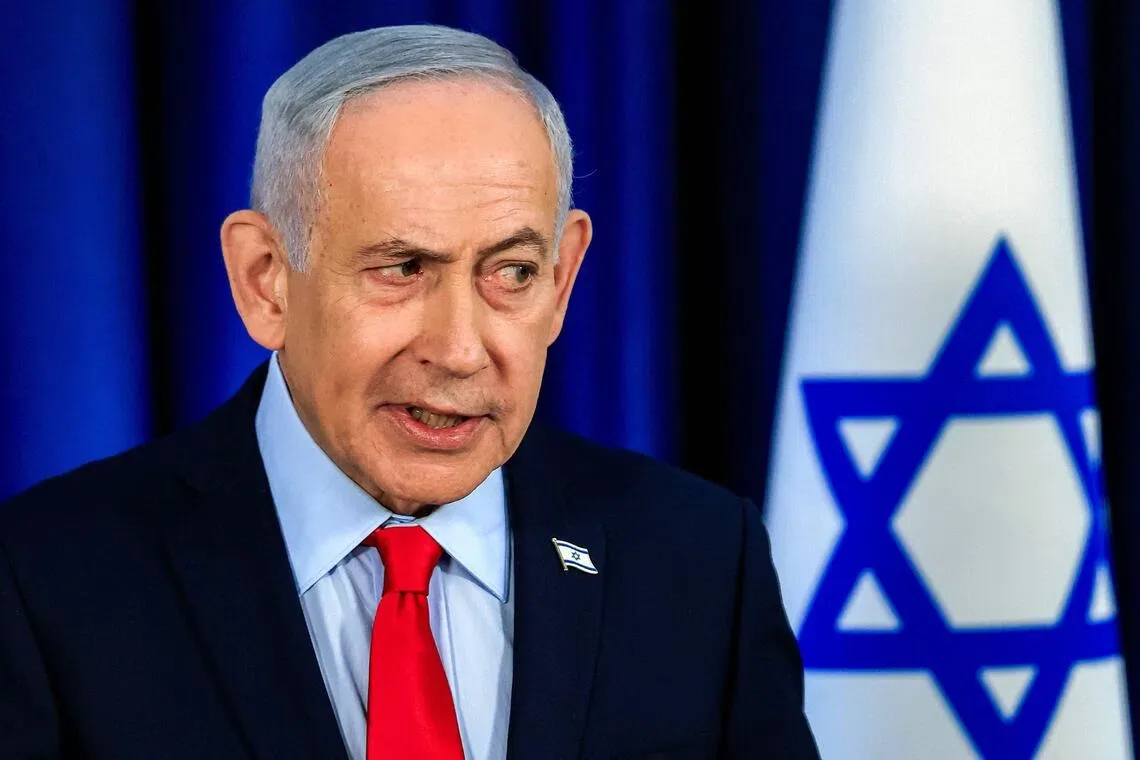
Israeli Prime Minister Benjamin Netanyahu succeeded in provoking a US-led attack on Iran starting in late February 2026, fulfilling his decades-long push for confrontation with Tehran [1, 2, 3]. On the very first day of the war, Israel killed Iran’s supreme leader Ayatollah Ali Khamenei, who had previously restrained Iran’s nuclear weapons ambitions [1, 3].
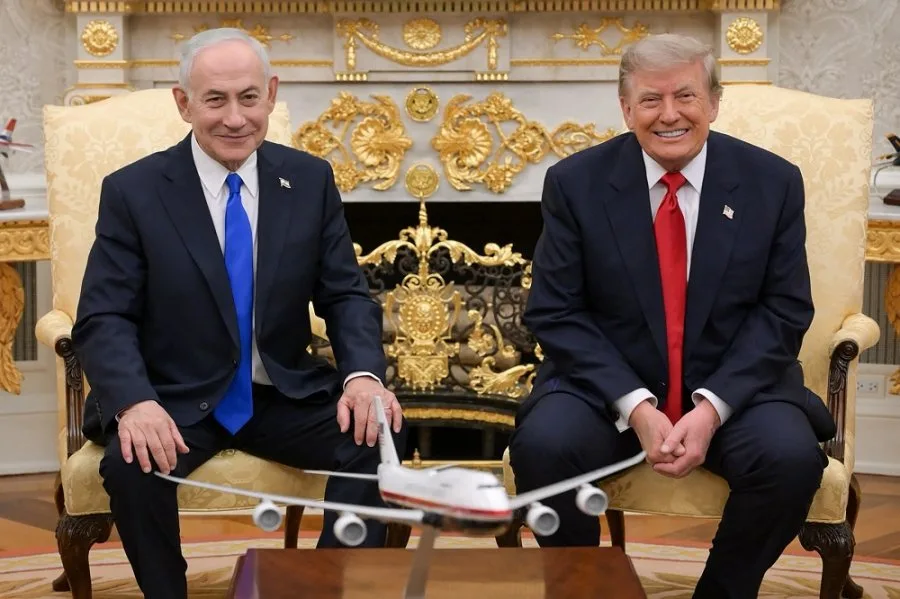
US President Donald Trump joined Israel in launching the conflict but abruptly called a ceasefire in April 2026 amid domestic political opposition and rising oil prices, seeking negotiations [1, 2, 3]. Although the war lasted only six months, it left Iran appearing emboldened and Israel potentially worse off than before the fighting began [1, 2, 3]. A June 2026 survey showed 92% of Israelis believe Iran won or gained more from the conflict [1, 3].
Iranian retaliation caused 25 deaths in Israel and an additional 4 in the occupied West Bank [3]. Tehran also shifted more firepower against Gulf Arab states hosting US troops [3]. The war caused significant civilian casualties in Iran, including at least 175 deaths from a bombing at a girls’ school in Minab city [3]. Dr. Hendelman-Baor, an Iran researcher at Tel Aviv University, warned, "If this war is remembered more for civilian casualties and destruction than for the removal of Iran’s regime leaders, then Israel and the US face a real possibility of prolonged hostility" [3].
Some analysts see the war as a strategic failure for Israel. Former Israeli intelligence analyst Danny Citrinowicz said, "It’s a colossal failure of Israeli strategy regarding Iran. Yes, we had operational achievements, but strategically we’ve failed." He added Israel is trying to weaken Iran further while preventing it from going nuclear, "but it’s not going to work" [1]. An anonymous foreign diplomat suggested Netanyahu does not view the outcome as a failure, noting the Prime Minister "made the US directly at war with Iran, while Israel currently is just an observer" [3].
Conversely, an analyst from the US Turan Research Center stated the war "achieved Israel’s strategic goal of degrading Iran’s threat," citing setbacks to Iran’s nuclear program and economy, though this assessment holds medium confidence [3].
Israel now faces a stark choice between accepting a new nuclear deal that may strengthen Iran or imposing further pressure that might accelerate Iran’s nuclear weapon development, a risk heightened by Khamenei’s death removing a known restraint on the program [1, 3].
The conflict also complicated Israel-US relations and likely ended prospects for future reconciliation with Iran [3]. US President Trump recently declared economic warfare on Tehran while simultaneously supporting a deal involving sanctions relief [1, 3].
Multiple media reports published today, August 25, 2026, analyze the war's complex aftermath six months after the initial attack [1, 2, 3].